When the cold weather rolls in, a trusty indoor space heater can be your best friend, turning chilly corners into cozy havens without needing to crank up your whole-house heating system. Imagine curling up with a book in a perfectly warm living room, even if the rest of your home is a bit nippy. That’s the magic of a good space heater! But with so many options out there, from sleek towers to compact cubes, finding the perfect one can feel a bit overwhelming. Don’t worry, we’re here to guide you through the warmth-filled world of indoor space heaters, helping you understand their ins and outs so you can make an informed choice for your personal comfort.
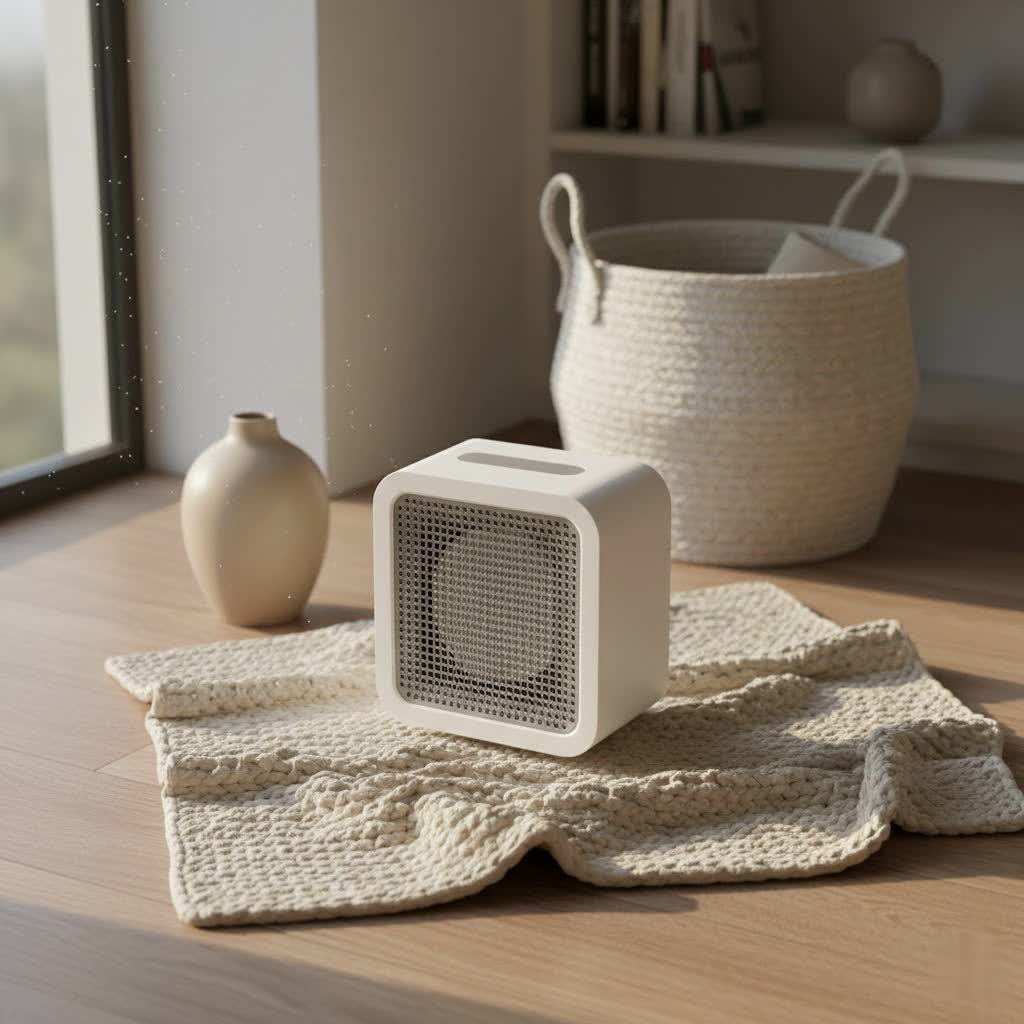
Understanding Space Heaters: Types and How They Warm Your World
At its core, an indoor space heater is a portable device designed to heat individual rooms or specific areas, offering supplemental warmth where your central heating might fall short. These handy gadgets primarily work through two methods: convection, which warms the air, or radiant heating, which warms objects and people directly.
Convection Heaters: Warming the Air Around You
Convection heaters are like gentle breezes of warmth. They work by drawing in cool air, heating it over an element, and then releasing the warmed air back into the room. This process creates a circulation that gradually raises the ambient temperature of the entire space.
- Fan-Forced Heaters: These are often the quickest to provide warmth. They use a fan to push heated air out, distributing it rapidly throughout a room. They are excellent for fast heating in drafty areas or for quickly boosting the temperature in a medium-sized room. The downside? The fan can sometimes be a bit noisy, and they might dry out the air if used for extended periods without proper humidification.
- Oil-Filled Radiator Heaters: Looking a bit like traditional radiators, these heaters contain a special oil that is heated by an electrical element. They take a bit longer to warm up, but once they do, they retain heat for an extended period, even after being turned off. This makes them incredibly energy-efficient for sustained warmth and remarkably quiet. However, their surfaces can get quite hot to the touch, and they are generally heavier and less portable.
|
Our Picks for the Best Space Heater in 2026
As an Amazon Associate I earn from qualifying purchases.
|
||
| Num | Product | Action |
|---|---|---|
| 1 | Upgrade CEC163TW in Wall Heater for Cadet Wall Heater, With Built-In Digital Thermostat, High - Capacity Heater for Fast - Heating Space, Suitable for Bedroom, Bathroom, Office, 240/208/120 Volt |

|
| 2 | Space Heater, WINHL Small Portable Electric Heaters for Indoor Use with Thermostat and Remote, 70°Oscillation, 12H Timer, 5 Modes, 1500W PTC Ceramic Fast Safety Heat for Office Bedroom Home |
|
| 3 | Dreo Space Heater, 1500W Electric Heaters for Indoor Use with Thermostat, 70° Oscillation, 8 Safety Protections, 5 Modes, Remote, 12H Timer, Quiet Portable Heater for Office, Bedroom, Large Room |
|
| 4 | Dreo Space Heater, Portable Electric Heaters for Indoor Use with Thermostat and Remote, 2024 Upgraded, Digital Display, 12H Timer, 5 Mode, 1500W PTC Ceramic Fast Safety Heat for Office Bedroom Home |
|
| 5 | GiveBest Portable Electric Space Heater with Thermostat, 1500W/750W Safe and Quiet Ceramic Heater Fan, Heat Up 200 Square Feet for Office Room Desk Indoor Use, Silver |
|
| 6 | Lasko 1500W Ceramic Tower Space Heater with Remote, Thermostat, Timer & Widespread Oscillation, Portable Electric Heater for Indoor Use, Bedroom & Living Room, 751320 |
|
| 7 | VEVOR Radiant Heater, 125000 BTU Portable Space Heater with Handle, 10 Hour Heating, Adjustable Temperature, Indoor & Outdoor Heaters for Jobsite Garage Warehouse Workshop Construction |
|
| 8 | DREO Space Heater, 1500W Portable Electric Heaters for Indoor Use, PTC Ceramic Heater for Office with Remote, Thermostat, 70°Oscillation, 12H Timer, 5 Modes, Quiet Safe Room Heater for Bedroom |
|
| 9 | Ceramic Space Heater, Portable Indoor Heater with Remote Control, Three Heating Modes, Overheat and Tip-Over Protection, Suitable for Home, Bedroom, and Office Indoor Use |
|
| 10 | Amazon Basics Ceramic Space Heater, Portable Indoor Heating Solution, With Overheat and Tip-Over Protection, Thermostat, Non-Oscillating, 1500W, 7.52"D x 6.34"W x 9.45"H, Silver |
|
Radiant Heaters: Direct, Instant Warmth
Radiant heaters, including infrared and quartz models, operate differently. Instead of warming the air, they emit infrared radiation that directly heats objects and people in their line of sight, much like the sun’s rays.
- Infrared and Quartz Heaters: The biggest advantage here is instant warmth. You feel the heat almost immediately after turning them on, making them fantastic for targeted heating in smaller zones or personal spaces, such as beneath a desk or in a reading nook. They are also highly energy-efficient because they don’t waste energy heating the surrounding air. Plus, they don’t typically affect room humidity, so no more dry skin or sinuses! However, their heat is directional, so you need to be in their direct path to feel the full effect. If there are too many obstructions, their effectiveness diminishes.
Ceramic Heaters: Compact and Efficient
Ceramic heaters use ceramic heating elements that are incredibly efficient at converting electricity into heat. Often fan-forced, they combine the best of both worlds for many users.
- Ceramic Heaters: These are often compact, lightweight, and highly portable, making them ideal for personal use or warming small rooms efficiently. Many models come with oscillation features to spread warmth more evenly. They heat up quickly and often have a cool-to-the-touch exterior, enhancing safety. While excellent for smaller spaces, they might struggle to heat very large, open-concept rooms.
Specialty Heaters: Beyond Just Warmth
Some modern space heaters offer more than just heat. You’ll find innovative models that combine heating with other functionalities, like fans for cooling in warmer months or integrated air purifiers to improve air quality year-round. These hybrid units offer versatility but often come with a higher price tag.
Key Factors When Choosing the Best Indoor Space Heater
Selecting the perfect space heater involves weighing several crucial factors against your specific needs. It’s not just about how hot it gets, but how safely and efficiently it operates within your home.
Room Size and Heating Capacity (Wattage)
One of the first things to consider is the size of the area you intend to heat. A good rule of thumb is to allocate approximately 10 watts of heating power for every square foot of floor space if the space heater will be the primary heat source. So, a common 1500-watt heater is generally sufficient to adequately warm a room up to 150 square feet. For larger rooms or open-concept living areas, you might need a more powerful unit, or consider a radiant heater that excels at warming objects over vast spaces. Conversely, a smaller, lower-wattage ceramic or fan-forced heater is perfect for personal spaces or smaller bedrooms.
Prioritizing Safety Features: Your Peace of Mind
Safety is paramount when it comes to space heaters. Modern indoor space heaters come equipped with essential safety features designed to prevent accidents. Always look for:
- Tip-Over Protection: This feature automatically shuts off the heater if it’s accidentally knocked over, a critical safeguard for homes with children or pets.
- Overheat Protection: This mechanism turns the heater off if its internal components reach an unsafe temperature, preventing potential fire hazards.
- Certified Safety Labels: Check for certifications from recognized testing laboratories like UL (Underwriters Laboratories), ETL (Intertek), or CSA. These labels indicate that the product meets stringent safety standards.
- Cool-to-the-Touch Housing: Especially important for ceramic tower heaters, this feature prevents burns if the exterior is accidentally touched.
- GFCI Plugs: If you anticipate using a space heater in a bathroom or near water, a Ground-Fault Circuit Interrupter (GFCI) plug offers an extra layer of protection against electric shock.
“When it comes to space heaters, think of safety features as non-negotiable. They are designed to protect your home and loved ones, so always prioritize models with robust tip-over and overheat protection,” advises Dr. Eleanor Vance, a seasoned Home Comfort Specialist.
Energy Efficiency and Cost Savings
Nobody wants a sky-high electricity bill. Many space heaters are designed with energy-saving features to keep your costs down.
- Thermostatically Controlled Heaters: These maintain your desired temperature by cycling on and off, rather than continuously running at full power. This prevents overheating and conserves energy.
- ECO Mode: Many models include an “Eco” mode, which automatically adjusts the wattage to use the least amount of energy needed to maintain the set temperature.
- Programmable Timers: A timer allows you to set the heater to turn off after a certain period, ensuring it doesn’t run unnecessarily if you forget to switch it off or when you’re sleeping. Radiant heaters, in particular, are known for their energy efficiency as they heat directly rather than trying to warm all the air in a room.
Noise Levels: Silence is Golden
If you plan to use a space heater in a bedroom, office, or any area where quiet is appreciated, noise level is a significant factor. Fan-forced heaters, by their nature, will produce some sound. However, many newer models are engineered for exceptionally quiet operation. Oil-filled radiant heaters are generally the quietest option, as they don’t use a fan. Look for decibel ratings if available, or check reviews that specifically mention noise performance.
Portability and Design
Consider where you’ll be using the heater. Do you need to move it from room to room? Lightweight models with integrated handles offer excellent portability. Also, think about the design. Space heaters come in various styles, from slim tower designs that fit discreetly into corners to more compact, personal heaters that sit on a desk. Choose one that blends well with your home decor and fits your available space.
Extra Features: Oscillation, Remote Control, Air Purification
Many space heaters offer additional functionalities that enhance convenience and performance:
- Oscillation: This feature helps distribute heat more widely and evenly across a room by rotating the heating element.
- Remote Control: For ultimate convenience, a remote control allows you to adjust settings without getting up from your cozy spot.
- Fan-Only Mode: Some heaters double as fans, offering cooling relief in warmer months.
- Air Purification: High-end models integrate HEPA filters to clean the air while heating, making them a great two-in-one solution for those with allergies or concerns about indoor air quality.
Our Top Picks for the Best Indoor Space Heater (General Categories)
While specific models come and go, certain types and feature sets consistently earn top marks for different needs. Here’s a general guide to help you narrow down your search:
- Best Overall All-Rounder: Look for a robust ceramic tower heater with oscillation, multiple heat settings, and a reliable thermostat. These often offer a good balance of quick heating, decent coverage for medium rooms, and essential safety features. Many highly-rated options also include a fan-only mode for year-round utility.
- Best for Small Rooms & Personal Use: Compact ceramic fan heaters are usually the go-to. They are lightweight, highly portable, and deliver focused warmth quickly, perfect for a chilly home office or under a desk. Budget-friendly mini heaters also fit this category, providing personal warmth without a large footprint.
- Best for Large Rooms & Open Concepts: Infrared radiant heaters are often preferred for larger spaces because they warm objects directly, providing a sense of warmth across a wider area more efficiently than convection heaters. Higher wattage convection tower heaters with powerful fans can also be effective for whole-room heating in larger enclosed spaces.
- Best Budget-Friendly Option: Entry-level ceramic heaters often provide excellent value. They may have fewer bells and whistles but deliver reliable warmth for small to medium spaces and include basic safety features.
- Best for Bedrooms (Quiet Operation): Oil-filled radiator heaters or specifically designed “quiet” ceramic or fan-forced models are ideal. Look for models with low decibel ratings and features like dimmable displays or no bright indicator lights to ensure a peaceful sleeping environment.
- Best Multi-functional Heater (Fan + Purifier): Premium bladeless fan/heater/air purifier combinations offer year-round comfort and improved air quality. While a significant investment, they provide powerful heating, effective cooling, and advanced air filtration in one sleek unit.
Using Your Space Heater Safely and Smartly
Even the best indoor space heater requires responsible use. Following these safety guidelines can prevent accidents and ensure optimal performance.
The 3-Foot Rule: Your Safety Zone
This is perhaps the most critical safety tip: always keep your space heater at least three feet (about one meter) away from anything flammable. This includes curtains, bedding, furniture, clothing, papers, and even holiday decorations. A clear safety zone around the heater is crucial to prevent fires.
Powering Up: Plugs, Not Strips
Always plug your space heater directly into a wall outlet. Avoid using extension cords, power strips, or surge protectors. Space heaters draw a significant amount of power, and these devices can overheat, posing a serious fire risk. Ensure the cord itself is not damaged, frayed, or coiled, as this can also lead to overheating.
Never Leave Unattended
It might seem convenient to leave a heater running when you step out or go to bed, but it’s a major safety hazard. Never leave a space heater operating unattended. Turn it off and unplug it when you leave the room, go to sleep, or leave the house. Similarly, always supervise children and pets when a space heater is in use.
Regular Checks and Maintenance
Before each heating season, and periodically during use, give your space heater a quick inspection. Check for any signs of disrepair, such as cracked plugs, loose connections, or damaged cords. If you find any issues, do not use the heater. Keep the heater clean and free of dust, especially around the air intake and heating elements, to prevent dust buildup from becoming a fire hazard.
Smoke Alarms: Your Silent Guardians
Ensure that your home is equipped with working smoke alarms, especially in rooms where space heaters are used. Test them regularly to confirm they are functional. These alarms provide crucial early warning in case of an emergency.
FAQ: Your Burning Questions Answered
Are space heaters safe to use overnight?
Generally, it’s not recommended to leave a space heater running overnight while you sleep due to potential fire risks. If you must use one, ensure it has advanced safety features like tip-over and overheat protection, is placed far from flammable materials, and is plugged directly into a wall outlet. Always have working smoke alarms.
How much energy do space heaters use?
Most electric space heaters use between 600 and 1500 watts of power. A 1500-watt heater, running for an hour, will use 1.5 kilowatt-hours (kWh). To calculate the cost, multiply the kWh by your local electricity rate. Energy-efficient models with thermostats and eco modes can help minimize consumption.
Can I use a space heater on carpet?
It’s generally recommended to place space heaters on a flat, stable, non-flammable surface. Some heaters can become very hot underneath and pose a risk to carpets, especially older models or those without cool-to-the-touch bottoms. Always check the manufacturer’s instructions, and if in doubt, place it on a hard floor or a heat-resistant mat.
What’s the difference between radiant and convection heat?
Radiant heaters (like infrared) warm objects and people directly in their path, providing instant, targeted heat. Convection heaters (like fan-forced or oil-filled) warm the air itself, circulating it to raise the overall room temperature gradually. Radiant heat is often more efficient for personal or spot heating, while convection is better for whole-room heating.
How do I know what wattage I need for my room?
A good rule of thumb is 10 watts per square foot if the space heater is your primary heat source. So, a 100 sq ft room would need approximately a 1000-watt heater. For supplemental heating, you might need less. Always consider room insulation, ceiling height, and how cold the room typically gets.
Conclusion: Warmth, Comfort, and Peace of Mind
Choosing the best indoor space heater is all about understanding your needs and the options available. Whether you’re looking for quick, targeted warmth with a radiant heater, a quiet, sustained heat from an oil-filled radiator, or versatile comfort from a ceramic fan heater, there’s a perfect match for you. By prioritizing essential safety features, considering energy efficiency, and following smart usage practices, you can enjoy a cozier home while keeping energy costs in check and ensuring everyone stays safe and warm. So, go ahead and bring that extra touch of warmth into your life with the right indoor space heater.
