When the chill sets in, and you’re yearning for that comforting warmth without the constant hum of a fan, an oil radiator space heater often comes to mind. These unassuming powerhouses have become a go-to for many seeking reliable, consistent heat. They offer a unique blend of efficiency, safety, and silent operation, making them a popular choice for everything from frosty bedrooms to chilly home offices. But what exactly makes them tick, and how can you choose the best one for your space? Let’s dive in and unravel the cozy mystery of oil radiator space heaters.
What Exactly is an Oil Radiator Space Heater?
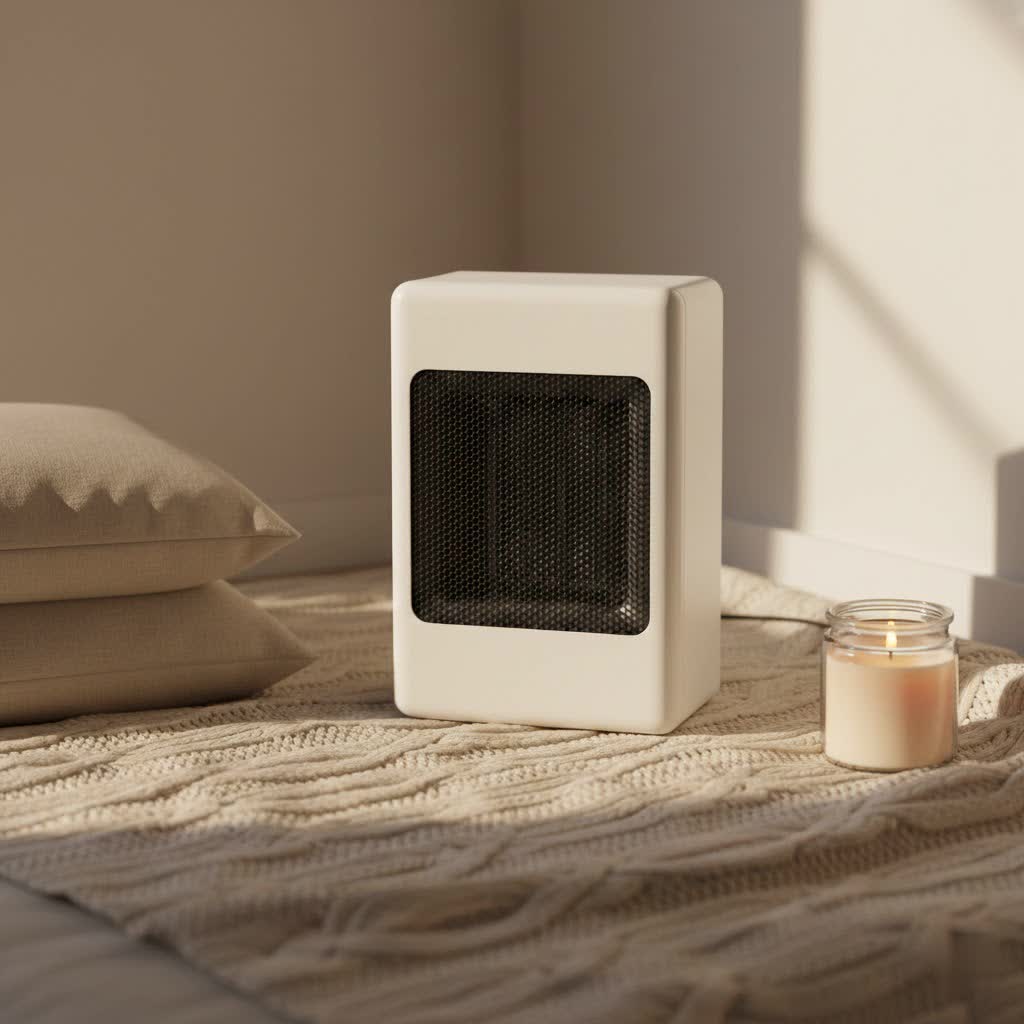
Imagine a classic radiator, but sleeker, more portable, and powered by electricity. That’s essentially an oil radiator space heater. Unlike gas or kerosene heaters, these devices are electric and don’t burn fuel. Instead, they contain a special type of high-performance diathermic oil, which acts as a heat reservoir. This oil is permanently sealed within the unit, meaning you’ll never have to worry about messy refills or replacements. It’s a sealed system designed for hassle-free, long-term performance.
How Do Oil Radiator Space Heaters Work Their Magic?
The magic behind an oil radiator space heater lies in a clever combination of electricity, oil, and basic thermodynamic principles. When you plug in and switch on your heater, an electric heating element nestled at the base of the unit begins to warm up. This heat is then absorbed by the diathermic oil.
As the oil warms, it naturally starts to circulate throughout the heater’s internal cavities and fins. These fins are designed to maximize surface area, allowing the warm oil to efficiently transfer its heat to the metal casing of the radiator. From there, the warmth radiates out into your room. Think of it like a stone that gets hot in the sun and then slowly releases that warmth – that’s essentially what the metal fins do.
Simultaneously, the heated fins warm the surrounding air, which then rises. Cooler air sinks to take its place, gets warmed, and the cycle continues. This process, known as natural convection, gently circulates warmth throughout the room without the need for a noisy fan.
One of the standout features of oil-filled radiators is their thermal inertia. This means they accumulate a lot of heat while running and continue to emit this stored warmth even after you’ve switched them off. This residual heat not only extends your comfort but also contributes to their overall energy efficiency, as they don’t have to work as hard to maintain a steady temperature.
The Great Debate: Pros and Cons of Oil Radiator Heaters
Every heating solution has its trade-offs, and oil radiator space heaters are no exception. Understanding their strengths and weaknesses can help you decide if they’re the right fit for your home.
Advantages:
- Silent Operation: If you’re sensitive to noise, you’ll love these heaters. Since they rely on natural convection rather than a fan, they operate almost silently, making them perfect for bedrooms, nurseries, or quiet workspaces.
- Consistent, Long-Lasting Heat: Oil-filled heaters excel at providing a steady, even, and gentle warmth that permeates the entire room. Thanks to their thermal inertia, they keep your space cozy for longer, even after the power cycles off.
- Energy Efficiency & Cost Savings: While they take a while to heat up, their ability to retain and slowly release heat means they don’t constantly draw power. This can lead to lower energy consumption and more manageable heating bills, especially when used for zone heating.
- Enhanced Safety Features: Compared to some other space heaters, oil radiators are generally considered quite safe. They have no exposed heating elements, reducing the risk of accidental contact with scorching hot parts. Many modern models also come equipped with overheat protection and tip-over switches, which automatically shut the unit off if it gets too hot or is accidentally knocked over.
- Gentle on Air Quality: Without a fan to blow air, oil-filled radiators don’t stir up dust, making them a better choice for individuals with allergies or respiratory sensitivities. They also don’t tend to dry out the air as much as some forced-air heaters, contributing to a more comfortable environment.
|
Our Picks for the Best Space Heater in 2026
As an Amazon Associate I earn from qualifying purchases.
|
||
| Num | Product | Action |
|---|---|---|
| 1 | VEVOR Radiant Heater, 125000 BTU Portable Space Heater with Handle, 10 Hour Heating, Adjustable Temperature, Indoor & Outdoor Heaters for Jobsite Garage Warehouse Workshop Construction |

|
| 2 | Dreo Space Heater, Portable Electric Heaters for Indoor Use with Thermostat and Remote, 2024 Upgraded, Digital Display, 12H Timer, 5 Mode, 1500W PTC Ceramic Fast Safety Heat for Office Bedroom Home |
|
| 3 | Amazon Basics Ceramic Space Heater, Portable Indoor Heating Solution, With Overheat and Tip-Over Protection, Thermostat, Non-Oscillating, 1500W, 7.52"D x 6.34"W x 9.45"H, Silver |
|
| 4 | DREO Space Heater, 1500W Portable Electric Heaters for Indoor Use, PTC Ceramic Heater for Office with Remote, Thermostat, 70°Oscillation, 12H Timer, 5 Modes, Quiet Safe Room Heater for Bedroom |
|
| 5 | Ceramic Space Heater, Portable Indoor Heater with Remote Control, Three Heating Modes, Overheat and Tip-Over Protection, Suitable for Home, Bedroom, and Office Indoor Use |
|
| 6 | Upgrade CEC163TW in Wall Heater for Cadet Wall Heater, With Built-In Digital Thermostat, High - Capacity Heater for Fast - Heating Space, Suitable for Bedroom, Bathroom, Office, 240/208/120 Volt |
|
| 7 | Lasko 1500W Ceramic Tower Space Heater with Remote, Thermostat, Timer & Widespread Oscillation, Portable Electric Heater for Indoor Use, Bedroom & Living Room, 751320 |
|
| 8 | GiveBest Portable Electric Space Heater with Thermostat, 1500W/750W Safe and Quiet Ceramic Heater Fan, Heat Up 200 Square Feet for Office Room Desk Indoor Use, Silver |
|
| 9 | Dreo Space Heater, 1500W Electric Heaters for Indoor Use with Thermostat, 70° Oscillation, 8 Safety Protections, 5 Modes, Remote, 12H Timer, Quiet Portable Heater for Office, Bedroom, Large Room |
|
| 10 | Space Heater, WINHL Small Portable Electric Heaters for Indoor Use with Thermostat and Remote, 70°Oscillation, 12H Timer, 5 Modes, 1500W PTC Ceramic Fast Safety Heat for Office Bedroom Home |
|
Disadvantages:
- Slower Warm-Up Time: This is often cited as the primary drawback. Due to the process of heating the oil and then the fins, oil radiators take significantly longer to reach their peak temperature and start effectively warming a room compared to fan-forced or ceramic heaters. If you need instant heat, they might not be your best bet.
- Heavier and Bulkier Design: Filled with oil and often constructed from metal, these heaters can be heavier and bulkier than other portable options. While most come with wheels and handles for portability, moving them up and down stairs might still be a bit of a workout.
- Surface Can Still Be Hot: While designed to have lower surface temperatures than some heaters, the metal fins can still get quite hot to the touch. Caution is advised, especially if you have curious children or pets in the household.
Staying Safe and Sound: Essential Oil Radiator Heater Safety Tips
While oil radiator space heaters are generally considered safe, responsible usage is key to preventing accidents. Here are some essential tips to keep you and your household secure:
Placement Matters
Always place your oil radiator on a flat, stable surface, like a hard floor or ceramic tile, to prevent it from tipping over. Keep it at least one meter (about three feet) away from anything flammable, including curtains, furniture, bedding, and paper. This creates a crucial safety zone around the heater.
Never Cover or Use for Drying
It might be tempting to drape wet clothes or towels over your oil radiator, but resist the urge! Covering the unit can block airflow, cause it to overheat, and potentially create a fire hazard. If you need to dry clothes, consider a dedicated drying rack far from any heat source.
Cord and Plug Inspection
Before each use, quickly inspect the power cord and plug for any signs of damage, fraying, or wear. A damaged cord can be a significant electrical hazard. If you notice any issues, do not use the heater and seek professional repair or replacement. Also, avoid using extension cords, as they can overload and become a fire risk.
Overheat and Tip-Over Protection: Your Safety Net
Modern oil radiator heaters are designed with safety in mind. Look for models that include built-in overheat protection and tip-over switches. These features automatically shut off the heater if it reaches an unsafe temperature or is accidentally knocked over, significantly reducing risks.
Overnight Use: What to Know
Many people wonder if it’s safe to leave an oil-filled radiator on overnight. Generally, it is considered safe, especially if your model has the aforementioned safety features like overheat protection and an automatic shut-off. Their silent operation and steady warmth make them ideal for bedrooms. However, always ensure proper placement away from bedding and other flammables when using it for extended periods.
Carbon Monoxide Myth Debunked
Unlike combustion heaters that burn fuel, oil radiator space heaters work by heating sealed oil. This means they do not produce fumes or carbon monoxide during normal operation. While the risk is incredibly low, having a carbon monoxide detector in your home is always a good safety practice for overall peace of mind.
“Using any electric appliance requires diligence, but oil-filled radiators, with their enclosed elements and robust safety features, are among the safest heating options available, provided you follow basic placement and usage guidelines,” advises Dr. Elena Petrova, a leading expert in thermal dynamics and home appliance safety.
Finding Your Perfect Match: A Buyer’s Guide to Oil Radiator Space Heaters
Ready to bring one of these cozy companions into your home? Here’s what to look for when shopping for an oil radiator space heater:
Matching Wattage to Room Size
The heating power of a radiator, measured in watts, should correspond to the size of the room you intend to heat. A good rule of thumb is to aim for approximately 10 watts of heating power per square foot of space.
- For small rooms (80-120 sq ft), a 1000-1200W unit is often sufficient.
- For medium rooms (up to 150 sq ft), a 1500W radiator is typically suitable.
Remember that factors like high ceilings, poor insulation, or drafty windows might require a slightly higher wattage or a model with more fins to ensure effective heating.
Smart Features for Smart Heating
Modern oil radiator heaters come with a range of features that enhance comfort, safety, and energy efficiency.
- Thermostat Control: This is a non-negotiable feature. A thermostat allows you to set your desired temperature, and the heater will automatically cycle on and off to maintain it, preventing overheating and saving energy. Look for electronic thermostats for more precise control.
- Timers and Programmable Schedules: Many models include timers that let you program the heater to turn on and off at specific times. This is incredibly convenient for warming a room before you wake up or arrive home, ensuring you only use energy when you need it.
- Portability: Most oil-filled radiators are designed to be portable, featuring built-in wheels or castors and convenient carrying handles. Some even include cord storage, making them easy to move from room to room.
Durability and Warranty
An oil radiator space heater is an investment in comfort. Look for models from reputable brands known for quality and durability. Always check the warranty offered by the manufacturer. A good warranty, typically ranging from two to five years, provides peace of mind and protection for your purchase.
Keeping Your Heater Happy: Maintenance Tips for Longevity
One of the great things about oil radiator space heaters is their minimal maintenance requirements.
No Oil Replacement Needed
A common misconception is that the oil inside these heaters needs to be replaced. This is incorrect. The diathermic oil is sealed permanently within the unit and is not consumed during operation; it simply acts as a heat transfer medium. So, you can relax, no oil changes needed!
Regular Cleaning
To ensure optimal performance and longevity, give your heater a quick wipe-down regularly. Dust buildup on the fins can slightly reduce efficiency. Before seasonal storage, it’s also a good idea to clean the thermostat area to maintain accurate temperature regulation.
Checking for Damage
Just like any other appliance, periodically check your oil radiator for any visible damage to the casing, fins, or power cord. If you notice anything unusual or if the heater isn’t functioning correctly, consult the manufacturer’s instructions or a qualified technician. Do not attempt to repair it yourself unless you are a trained professional.
Frequently Asked Questions (FAQ)
Q1: Do oil-filled heaters use a lot of electricity?
A1: Oil-filled heaters are generally considered energy-efficient because of their excellent heat retention. They consume electricity to heat the internal oil, but once warmed, the oil continues to radiate heat even when the electric element cycles off, reducing continuous power draw and potentially saving on energy bills.
Q2: Are oil-filled radiators truly safe to leave on overnight?
A2: Yes, modern oil-filled radiators with safety features like overheat protection and tip-over switches are generally safe for overnight use. Their silent operation and consistent warmth make them ideal for bedrooms. Always ensure they are placed on a stable surface and away from flammable materials like bedding or curtains.
Q3: What’s the difference between an oil-filled heater and a ceramic heater?
A3: Oil-filled heaters provide slow, steady, radiant, and convection warmth silently, retaining heat long after being turned off. Ceramic heaters, on the other hand, use a fan to quickly distribute heat through convection, offering fast, targeted warmth but often with some noise and without the same heat retention.
Q4: How long does it take for an oil radiator to heat a room?
A4: Oil radiators are known for their slower warm-up time. It can take 20-30 minutes, or even longer, for the oil to heat up and the unit to reach its full radiating potential and effectively warm a room. They are best for sustained heating rather than quick bursts of warmth.
Q5: Can I repair my oil-filled heater myself if it’s damaged?
A5: It is strongly recommended not to attempt to repair an oil-filled heater yourself, especially if the sealed oil system is compromised. These are complex electrical appliances, and improper repairs can be dangerous. If your heater is damaged or malfunctioning, contact a qualified repair technician or the manufacturer.
Conclusion
Oil radiator space heaters offer a compelling solution for anyone seeking quiet, consistent, and energy-efficient warmth during colder months. While they may take a little longer to get going, their ability to retain heat and gently warm a space makes them an excellent choice for sustained comfort. By understanding how they work, prioritizing safety features, and selecting a model that matches your needs, you can make an informed decision and enjoy the cozy embrace of an oil radiator space heater for years to come. Choose wisely, stay warm, and make your home a haven of comfort.
