Ever found yourself shivering in one room while the rest of your home is perfectly toasty? Or maybe you’re simply looking for a way to cut down on those hefty central heating bills by warming only the space you’re actually using? If so, a portable space heater might just be your new best friend. These handy appliances offer a fantastic solution for targeted warmth, bringing comfort directly to where you need it most, without having to heat your entire house.
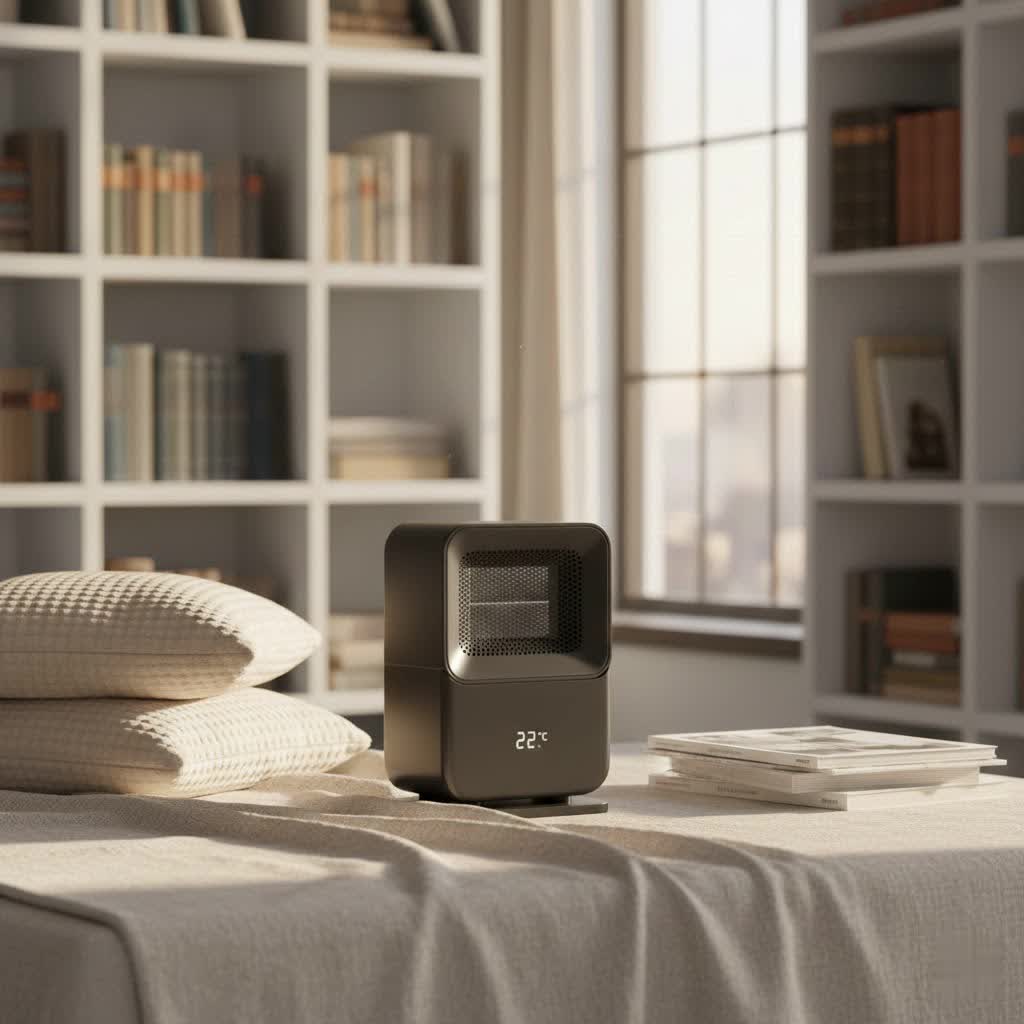
But with so many options out there, how do you pick the right one? And more importantly, how do you ensure you’re using it safely and efficiently? Don’t worry, we’re here to demystify the world of portable space heaters and help you make an informed choice for a cozier, smarter home.
What Exactly is a Portable Space Heater and Why Do You Need One?
A portable space heater is essentially a self-contained heating unit designed to warm a specific area or room, rather than your entire home. Think of it as a personal warmth delivery system! People often use them to supplement their existing central heating, especially in drafty rooms, basements, home offices, or bedrooms. They’re also brilliant for “zone heating,” allowing you to turn down your main thermostat and only warm the occupied areas, which can significantly save on energy costs. These convenient devices are easily moved from one spot to another, giving you flexible heating options throughout your day.
The Different Flavors of Warmth: Types of Portable Space Heaters
Not all portable space heaters are created equal. They come in various technologies, each offering a unique way to generate and distribute warmth. Understanding these differences is key to choosing the right fit for your needs.
Ceramic Heaters: Quick Warmth, Focused Heat
Ceramic portable space heaters use ceramic plates attached to metal coils. When the coils heat up, the ceramic plates absorb and then radiate that heat. Many ceramic heaters also feature a fan to blow the warm air out, quickly distributing it into the room.
Pros:
- Fast Warm-Up: They heat up almost instantly, providing quick comfort.
- Energy-Efficient (for small spaces): Generally considered energy-efficient, especially for small to medium-sized rooms, thanks to their rapid heating.
- Compact & Portable: Typically small and lightweight, making them super easy to move.
- Automated Temperature Regulation: They can regulate their own temperature, enhancing safety and reliability.
Cons:
- Limited Large Room Effectiveness: While great for smaller areas, their heating capacity might be insufficient for very large rooms.
- Potential for Overheating: Without proper maintenance or if airflow is blocked, ceramic portable space heaters can overheat.
|
Our Picks for the Best Space Heater in 2026
As an Amazon Associate I earn from qualifying purchases.
|
||
| Num | Product | Action |
|---|---|---|
| 1 | Dreo Space Heater, 1500W Electric Heaters for Indoor Use with Thermostat, 70° Oscillation, 8 Safety Protections, 5 Modes, Remote, 12H Timer, Quiet Portable Heater for Office, Bedroom, Large Room |

|
| 2 | DREO Space Heater, 1500W Portable Electric Heaters for Indoor Use, PTC Ceramic Heater for Office with Remote, Thermostat, 70°Oscillation, 12H Timer, 5 Modes, Quiet Safe Room Heater for Bedroom |
|
| 3 | Amazon Basics Ceramic Space Heater, Portable Indoor Heating Solution, With Overheat and Tip-Over Protection, Thermostat, Non-Oscillating, 1500W, 7.52"D x 6.34"W x 9.45"H, Silver |
|
| 4 | Ceramic Space Heater, Portable Indoor Heater with Remote Control, Three Heating Modes, Overheat and Tip-Over Protection, Suitable for Home, Bedroom, and Office Indoor Use |
|
| 5 | Upgrade CEC163TW in Wall Heater for Cadet Wall Heater, With Built-In Digital Thermostat, High - Capacity Heater for Fast - Heating Space, Suitable for Bedroom, Bathroom, Office, 240/208/120 Volt |
|
| 6 | VEVOR Radiant Heater, 125000 BTU Portable Space Heater with Handle, 10 Hour Heating, Adjustable Temperature, Indoor & Outdoor Heaters for Jobsite Garage Warehouse Workshop Construction |
|
| 7 | GiveBest Portable Electric Space Heater with Thermostat, 1500W/750W Safe and Quiet Ceramic Heater Fan, Heat Up 200 Square Feet for Office Room Desk Indoor Use, Silver |
|
| 8 | Lasko 1500W Ceramic Tower Space Heater with Remote, Thermostat, Timer & Widespread Oscillation, Portable Electric Heater for Indoor Use, Bedroom & Living Room, 751320 |
|
| 9 | Space Heater, WINHL Small Portable Electric Heaters for Indoor Use with Thermostat and Remote, 70°Oscillation, 12H Timer, 5 Modes, 1500W PTC Ceramic Fast Safety Heat for Office Bedroom Home |
|
| 10 | Dreo Space Heater, Portable Electric Heaters for Indoor Use with Thermostat and Remote, 2024 Upgraded, Digital Display, 12H Timer, 5 Mode, 1500W PTC Ceramic Fast Safety Heat for Office Bedroom Home |
|
Infrared Heaters: Radiant Comfort, Gentle Warmth
Infrared portable space heaters, also known as radiant heaters, work differently. Instead of heating the air, they emit infrared radiation that directly warms objects and people in their line of sight, much like the sun. This provides a direct, immediate warmth.
Pros:
- Instant Heat: You feel the warmth almost immediately, making them great for spot heating.
- Highly Energy-Efficient (for focused heating): Since they heat objects directly, they are very efficient if you need warmth in a specific area without warming the entire room.
- Quiet Operation: Many models operate silently as they don’t rely on fans to circulate air.
- No Dry Air: They don’t dry out the air, which can be a plus for those sensitive to dry indoor environments.
Cons:
- Limited Coverage Area: Best suited for small to medium rooms or personal spaces, as the warmth diminishes outside their direct line of sight.
- Uneven Heat Distribution: Can create “cold spots” in larger rooms if not positioned carefully.
Oil-Filled Radiators: Silent, Consistent Heat
These portable space heaters resemble traditional radiators, filled with diathermic oil in a sealed chamber. An electric element heats the oil, which then circulates through the fins, slowly radiating warmth into the room via convection.
Pros:
- Silent Operation: They are nearly silent, making them perfect for bedrooms, offices, or other quiet spaces.
- Consistent, Long-Lasting Heat: The oil retains heat, providing steady, gentle warmth even after the unit cycles off.
- Low Maintenance: With no exposed heating elements, they generally require very little upkeep.
- Good for Larger Rooms (over time): Can effectively heat larger rooms evenly over a longer duration.
Cons:
- Slow to Heat Up: They take a longer time to reach their optimal temperature compared to fan-forced or ceramic portable space heaters.
- Bulky: Often heavier and bulkier, making them less convenient for frequent relocation.
Fan-Forced Heaters: Powerful Airflow, Fast Heating
Fan-forced portable space heaters use a heating element (which can vary, including coils or ceramic elements) combined with a fan to blow warm air rapidly into the room.
Pros:
- Rapid Heat Distribution: The fan quickly circulates warm air, making them effective for fast heating, even in larger spaces.
- Adjustable Settings: Most models offer various heat settings and fan speeds for customized comfort.
- Versatile: Can use various heating elements, making them adaptable.
Cons:
- Can Be Noisy: The fan operation can produce noticeable noise, which might be disruptive in quiet environments.
- May Dry Out Air: Continuous air circulation can sometimes lead to a drier indoor atmosphere.
Stay Safe and Cozy: Essential Safety Tips for Your Portable Space Heater
While portable space heaters are a fantastic way to keep warm, safety should always be your top priority. The U.S. Consumer Product Safety Commission (CPSC) reports thousands of residential fires annually related to space heater use, underscoring the importance of following safety guidelines.
“Using a portable space heater safely means understanding its limitations and giving it plenty of breathing room,” advises Dr. Eleanor Vance, a home safety expert. “Never underestimate the power of proper placement and monitoring.”
Here are crucial tips to ensure safe operation:
- The 3-Foot Rule: Always place your portable space heater at least three feet (about one meter) away from anything that can burn. This includes curtains, furniture, bedding, papers, clothing, and even rugs.
- Direct Plug-In Only: Always plug your portable space heater directly into a wall outlet. Never use an extension cord or power strip. These devices are not designed to handle the high wattage required by heaters and can overheat, leading to fires.
- Stable Surface: Place the heater on a stable, flat, non-flammable surface, preferably the floor. Avoid placing it on furniture, cabinets, or carpet, which can restrict airflow or pose a tip-over risk.
- Unattended Operation is a No-Go: Never leave a portable space heater running when you leave the room or go to sleep. Always turn it off and unplug it when not in use.
- Keep Kids and Pets Away: Children and pets can accidentally knock over a heater or touch hot surfaces. Ensure they are always kept at a safe distance.
- No Drying Zone: Do not use your space heater to dry clothes, towels, or shoes. This is a significant fire hazard.
- Avoid Water: Most portable space heaters are not designed for wet environments. Unless a model is specifically labeled “bathroom-safe” with appropriate protective coatings, keep it far away from sinks, showers, and other sources of moisture.
- Check for Damage: Before each use, inspect the cord and plug for any signs of fraying, cracking, or damage. If you notice any issues, do not use the heater.
- Safety Certifications: Look for a portable space heater with a safety certification from a recognized testing laboratory like Underwriters Laboratories (UL), Canadian Standards Association (CSA), or ETL-Intertek. This indicates it has met stringent safety standards.
- Built-in Safety Features: Choose a portable space heater equipped with modern safety features like:
- Tip-Over Switch: Automatically shuts off the heater if it’s accidentally knocked over.
- Overheat Protection: Turns the unit off if its internal components reach an unsafe temperature.
- Cool-Touch Exterior: Prevents burns from accidental contact with the heater’s surface.
- Thermostat Control: Helps maintain a consistent temperature and prevents the room from getting excessively hot.
Picking Your Perfect Pal: How to Choose the Right Portable Space Heater
Selecting the ideal portable space heater means considering a few key factors to match it to your specific needs and space.
Room Size Matters: Matching Heater to Space
One of the most common mistakes is buying a heater that’s either too powerful or not powerful enough for the room. A good rule of thumb is to allow 10 watts of heating capacity for every square foot of the room you want to heat. For example, a standard 1,500-watt portable space heater is generally sufficient as a primary heat source for a room up to 150 square feet. If your ceilings are higher than 8 feet or your insulation isn’t great, you might need to slightly overestimate your wattage requirements.
- Small Rooms (up to 100 sq ft): Ceramic or radiant heaters are excellent for quick, focused warmth.
- Medium Rooms (100-180 sq ft): Ceramic, fan-forced, or oil-filled radiators can all work well, depending on your preference for speed versus quietness.
- Larger Rooms (over 180 sq ft): Fan-forced heaters and oil-filled radiators tend to be more effective for distributing heat evenly over a larger area, especially if used as supplemental heating.
Key Features to Look Out For
Beyond the heating technology, certain features can significantly enhance both safety and convenience:
- Adjustable Thermostat: Allows you to set and maintain a desired temperature, preventing overheating and saving energy.
- Multiple Heat Settings: Provides flexibility to choose between high, low, or eco modes based on your comfort needs and energy consumption goals.
- Timer Function: Enables you to program the heater to turn off automatically after a set period, perfect for falling asleep without worrying about leaving it on all night.
- Oscillation: For fan-forced and ceramic tower models, oscillation helps spread warm air more widely across a room.
- Remote Control: Offers convenience, letting you adjust settings without getting up.
- Quiet Operation: If you plan to use it in a bedroom or office, check reviews for noise levels. Oil-filled radiators are generally the quietest.
Energy Efficiency and Your Wallet
While electric portable space heaters are nearly 100% efficient at converting electricity into heat, their cost-efficiency depends entirely on how you use them. To keep your energy bills in check:
- Zone Heat Smartly: Only heat the rooms you’re actively using.
- Use Thermostats and Eco Modes: Setting your thermostat to a comfortable temperature (around 68°F is often recommended) and utilizing eco modes can reduce energy waste.
- Proper Sizing: An appropriately sized heater works less hard and consumes less energy than an undersized one constantly running on high.
- Seal Drafts: Ensure doors and windows are closed, and consider sealing any drafts to prevent warm air from escaping.
Keeping Your Heater Happy: Maintenance and Troubleshooting Basics
A little care goes a long way in ensuring your portable space heater runs efficiently and safely for years to come.
- Keep it Clean: Regularly clean the exterior of your heater. For models with filters or fans, refer to the manufacturer’s instructions for cleaning to ensure optimal airflow and efficiency. Dust and debris buildup can be a fire hazard and reduce performance.
- Check for Damage: Periodically inspect the power cord and the unit itself for any signs of wear, cracks, or loose connections.
- Proper Storage: When the colder months are over, store your portable space heater in a dry, safe place where it won’t be easily damaged.
If your portable space heater suddenly stops working, don’t panic! It’s often due to its built-in safety mechanisms. The overheat protection system might have activated if the unit got too hot. Simply unplug it, let it cool down for a while, and then try restarting it. Also, check the power cord and outlet for any loose connections or visible wear. If everything seems fine but the issue persists, it might be time to consult the manufacturer’s customer service or a qualified technician.
Frequently Asked Questions About Portable Space Heaters
Choosing and using a portable space heater can bring welcome warmth to your home. Here are some common questions people ask:
Q1: Are portable space heaters expensive to run?
A1: The cost of running a portable space heater depends on your local electricity rates, the heater’s wattage, and how often you use it. While electric heaters are 100% efficient at converting electricity to heat, they can be costly if used improperly. Using features like thermostats and timers, and only heating occupied rooms, can significantly reduce operating costs.
Q2: Can I leave a portable space heater on overnight?
A2: For safety reasons, it is strongly recommended that you never leave a portable space heater running overnight or when you are not in the room. Always turn it off and unplug it before going to sleep or leaving your home to prevent potential fire hazards.
Q3: Are oil-filled radiators safer than other types of portable space heaters?
A3: Oil-filled radiators are often considered one of the safer types of portable space heaters because they have lower surface temperatures and no exposed heating elements. However, like all space heaters, they still pose a fire risk if not used according to safety guidelines, such as the 3-foot rule and direct wall plugging.
Q4: How far should a portable space heater be from furniture?
A4: A portable space heater should be placed at least three feet (or one meter) away from any combustible materials, including furniture, curtains, bedding, and papers. This clearance is crucial to prevent fire hazards.
Q5: What’s the best wattage for a portable space heater?
A5: The best wattage depends on the size of the room you want to heat. A general guideline is to use 10 watts for every square foot of space. So, a 1,500-watt portable space heater is suitable for a 150 square-foot room as a primary heat source.
Q6: Can I use a portable space heater in a bathroom?
A6: Most portable space heaters are not designed for use in wet areas like bathrooms due to the risk of electrical shock. If you need a heater for a bathroom, you must specifically look for a model that is clearly labeled “bathroom-safe” and designed with protective coatings or sealed parts for humid environments.
Cozy Conclusion: Embrace Smart Warmth
Portable space heaters are incredible tools for enhancing comfort and managing energy consumption in your home. By understanding the different types, prioritizing safety features, and applying smart usage habits, you can confidently choose the perfect portable space heater to keep your specific spaces wonderfully warm. Remember, a little research and adherence to safety guidelines can lead to many seasons of cozy, efficient warmth. Make a smart choice, stay warm, and enjoy your perfectly heated personal haven!
