Ever found yourself huddled in a blanket, wishing that one chilly corner of your home could just be a little warmer without sending your energy bill through the roof? You’re not alone! Many of us face this dilemma, but with the right knowledge, finding the most energy efficient space heater isn’t just a dream – it’s entirely achievable. While all electric space heaters are technically 100% efficient at converting electricity into heat, their true “energy efficiency” for you, the homeowner, hinges on how effectively that heat is used, retained, and managed. It’s about smart choices and even smarter usage, ensuring you get comforting warmth without unnecessary expense.
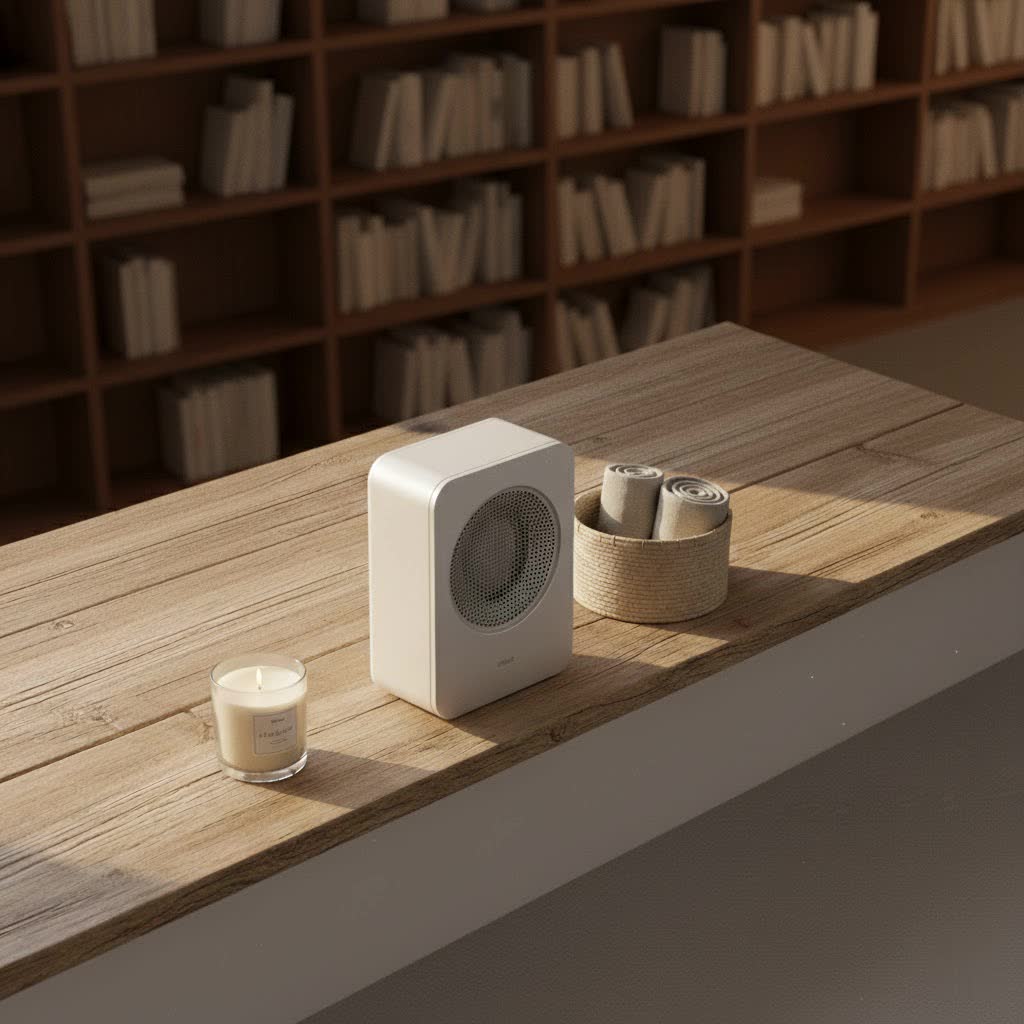
Understanding Space Heater Efficiency: Beyond the Basics
Let’s clear up a common misconception: fundamentally, every electric space heater converts all the electricity it consumes directly into heat. So, in a purely scientific sense, they’re all 100% efficient. However, that doesn’t mean they all cost the same to run or provide the same warming experience. The real efficiency, the kind that impacts your wallet and comfort, comes down to several practical factors. Think about how well a heater distributes warmth, how long it retains that heat, the intelligence of its controls, its size relative to your room, and your overall usage patterns. These are the elements that genuinely determine how energy-efficient a space heater is in your home.
Types of Space Heaters: Which One Warms Smarter?
Different heating technologies offer distinct advantages, making some types better suited for specific needs when considering the most energy efficient space heater for your situation.
Infrared Heaters: Instant, Targeted Warmth
Imagine stepping into a patch of sunlight on a cold day – that’s essentially how an infrared heater works. These clever devices emit radiant heat that directly warms people and objects in their path, rather than heating the surrounding air. This direct approach makes them incredibly efficient for spot heating, perfect for warming up your reading nook, desk, or a specific area in a drafty room.
- Pros: Provide instant warmth, operate silently, don’t dry out the air, and are highly effective in poorly insulated or open spaces where heating all the air would be wasteful.
- Cons: Less effective for general whole-room heating, as the warmth is concentrated on what it directly touches.
|
Our Picks for the Best Space Heater in 2026
As an Amazon Associate I earn from qualifying purchases.
|
||
| Num | Product | Action |
|---|---|---|
| 1 | DREO Space Heater, 1500W Portable Electric Heaters for Indoor Use, PTC Ceramic Heater for Office with Remote, Thermostat, 70°Oscillation, 12H Timer, 5 Modes, Quiet Safe Room Heater for Bedroom |

|
| 2 | Dreo Space Heater, Portable Electric Heaters for Indoor Use with Thermostat and Remote, 2024 Upgraded, Digital Display, 12H Timer, 5 Mode, 1500W PTC Ceramic Fast Safety Heat for Office Bedroom Home |
|
| 3 | Ceramic Space Heater, Portable Indoor Heater with Remote Control, Three Heating Modes, Overheat and Tip-Over Protection, Suitable for Home, Bedroom, and Office Indoor Use |
|
| 4 | Upgrade CEC163TW in Wall Heater for Cadet Wall Heater, With Built-In Digital Thermostat, High - Capacity Heater for Fast - Heating Space, Suitable for Bedroom, Bathroom, Office, 240/208/120 Volt |
|
| 5 | Dreo Space Heater, 1500W Electric Heaters for Indoor Use with Thermostat, 70° Oscillation, 8 Safety Protections, 5 Modes, Remote, 12H Timer, Quiet Portable Heater for Office, Bedroom, Large Room |
|
| 6 | Amazon Basics Ceramic Space Heater, Portable Indoor Heating Solution, With Overheat and Tip-Over Protection, Thermostat, Non-Oscillating, 1500W, 7.52"D x 6.34"W x 9.45"H, Silver |
|
| 7 | VEVOR Radiant Heater, 125000 BTU Portable Space Heater with Handle, 10 Hour Heating, Adjustable Temperature, Indoor & Outdoor Heaters for Jobsite Garage Warehouse Workshop Construction |
|
| 8 | Space Heater, WINHL Small Portable Electric Heaters for Indoor Use with Thermostat and Remote, 70°Oscillation, 12H Timer, 5 Modes, 1500W PTC Ceramic Fast Safety Heat for Office Bedroom Home |
|
| 9 | GiveBest Portable Electric Space Heater with Thermostat, 1500W/750W Safe and Quiet Ceramic Heater Fan, Heat Up 200 Square Feet for Office Room Desk Indoor Use, Silver |
|
| 10 | Lasko 1500W Ceramic Tower Space Heater with Remote, Thermostat, Timer & Widespread Oscillation, Portable Electric Heater for Indoor Use, Bedroom & Living Room, 751320 |
|
Oil-Filled Radiators: Steady, Enduring Comfort
If you prefer a gentle, consistent warmth that lingers, oil-filled radiators might be your go-to. These heaters contain diathermic oil that heats up electrically and then radiates warmth into the room. Their design allows them to retain heat for extended periods, even after being turned off, providing a residual warmth that saves energy by cycling less frequently.
- Pros: Offer quiet, long-lasting, and even heat distribution. Their ability to retain heat translates to fewer on/off cycles, making them a good choice for sustained heating in medium-sized rooms and helping you find a truly most energy efficient space heater for consistent warmth.
- Cons: They take longer to initially heat up compared to other types.
Ceramic Heaters: Quick Heat for Smaller Spaces
For those moments when you need a quick blast of warmth, ceramic heaters are often the answer. They use a ceramic heating element that heats up rapidly, and typically include a fan to quickly distribute that warmth. These are excellent for smaller rooms or for quickly raising the temperature in a personal workspace.
- Pros: Heat up very quickly, are highly portable, and come in various sizes suitable for personal or small-room use.
- Cons: Can be noisy due to the fan, and continuous fan usage might dry out the air.
Micathermic Heaters: Hybrid Efficiency
Micathermic heaters represent a blend of heating technologies, utilizing both convection and radiant heat. Their panels, made from mica sheets, radiate warmth directly while also allowing for natural convection to heat the air. This combination means 100% of the electricity is converted to heat, and they often operate silently without a fan.
- Pros: Offer efficient heat conversion, provide a soft, gentle warmth, and are quiet. Ideal for maintaining warmth over longer periods.
- Cons: Can be more expensive than basic models.
Fan-Forced Convection Heaters: Rapid Air Circulation
Traditional fan-forced convection heaters warm the air around a heated element and then use a fan to circulate that warm air throughout the room. They are designed for quickly raising the ambient temperature.
- Pros: Provide rapid room warm-up.
- Cons: Can be noisy and may dry out the air, which can be less comfortable for some users.
Key Features That Drive Real Energy Savings
While the type of heater you choose matters, the features it boasts are equally crucial in determining how it contributes to being the most energy efficient space heater possible.
Smart Thermostats and Timers
This is where true energy savings begin to shine. Space heaters equipped with programmable thermostats allow you to set your desired temperature, and the unit will automatically cycle on and off to maintain it, preventing energy waste from overheating. Timers let you schedule operation, ensuring the heater only runs when needed, like turning off after you’ve gone to bed or before you leave for work. Studies show that smart features like these can reduce operating costs by an impressive 8-23% through optimized scheduling and automatic shut-offs.
Multiple Heat Settings
Having options beyond just “on” and “off” is a huge advantage. Space heaters with multiple heat settings (e.g., low, medium, high, or eco-mode) allow you to adjust the wattage output to precisely match your comfort needs. Why use 1500 watts when 750 watts is enough to keep you cozy? This flexibility prevents unnecessary energy consumption.
Oscillation and Vortex Air Circulation
For heaters that warm the air, how that warmth is distributed is vital. Features like oscillation (where the heater rotates) or advanced vortex air circulation technology (like some Vornado models) ensure that heat spreads evenly and quickly throughout the room. This means your space warms up faster and more uniformly, reducing the time the heater needs to run at full power and contributing to a more energy efficient space heater experience.
Choosing the Most Energy-Efficient Space Heater for Your Home
Selecting the ideal space heater involves a bit of homework, but it pays off in comfort and savings. Here’s how to make an informed decision:
Match Wattage to Room Size (The 10-Watt Rule)
A fundamental principle for efficient heating is proper sizing. A good rule of thumb is to aim for approximately 10 watts of heating capacity per square foot of well-insulated space.
- For example, a standard 150-square-foot room would ideally need a 1500-watt heater.
- An undersized heater will struggle to heat the space, running constantly and inefficiently.
- An oversized heater will cycle on and off too frequently, which is also inefficient and can lead to inconsistent temperatures. Choosing the right wattage is a critical step towards securing the most energy efficient space heater for your specific needs.
Assess Your Heating Needs and Usage Patterns
Consider how and where you’ll use the heater.
- Do you need instant, targeted warmth for a specific person or area (infrared)?
- Are you looking for sustained, gentle heat for a medium-sized room (oil-filled)?
- Do you need quick warm-ups for a smaller, frequently used space (ceramic)?
- Combining types, like an oil-filled radiator for ambient heat and a ceramic for quick boosts, can also be a smart strategy for overall efficiency.
Prioritize Safety Features
Safety is paramount. Always look for space heaters with:
- Tip-over protection: Automatically shuts off if the unit is accidentally knocked over.
- Overheat shut-off: Turns off the heater if it reaches an unsafe temperature.
- Cool-touch exterior: Important if you have children or pets.
- Safety Certifications: Ensure the heater is certified by recognized standards agencies like Underwriters Laboratories (UL) or the Canadian Standards Association (CSA). Always plug your space heater directly into a wall outlet, avoiding extension cords or power strips, which can overheat.
Smart Habits for Maximum Energy Efficiency
Even the most energy efficient space heater won’t save you money if you don’t use it wisely. Adopt these habits for optimal performance and cost savings:
- Target Your Heat: Use your space heater only in the rooms you’re currently occupying. There’s no point in warming an empty space.
- Seal Up Drafts: Close doors and windows, and consider sealing any drafts around them. Preventing heat from escaping is just as important as generating it.
- Strategic Placement: Position your heater away from windows and on interior walls. Ensure there’s unobstructed airflow around the unit to improve heat distribution efficiency by 15-25%.
- Layer Up: Sometimes, simply wearing an extra layer of clothing can allow you to set your heater to a lower temperature, saving energy.
- Direct Plug-In: Always plug your space heater directly into a wall socket. Extension cords and power strips can overload and become fire hazards.
Maintenance and Troubleshooting Tips
A well-maintained space heater performs better and lasts longer, contributing to its overall efficiency.
- Regular Cleaning: Dust can accumulate on heating elements and vents, reducing efficiency and posing a fire risk. Regularly unplug and wipe down the exterior, and use a vacuum cleaner attachment to clear dust from vents.
- Inspect for Damage: Periodically check the cord, plug, and casing for any signs of wear, fraying, or damage. Never use a damaged heater.
- Common Issues: If your heater isn’t turning on, check the power source and ensure safety features (like tip-over switch) aren’t engaged. If it’s not heating effectively, check for obstructions, ensure the thermostat is set correctly, and verify it’s appropriately sized for the room.
Expert Insight
Dr. Evelyn Reed, a leading expert in thermal dynamics at the ‘Reviewrflow Warmth’ institute, emphasizes, “The true art of energy-efficient heating lies not just in the appliance, but in intelligent application. A heater with a smart thermostat, correctly sized for its space, can transform a chilly corner into a haven without breaking the bank.”
Frequently Asked Questions (FAQ)
Q: Are all electric space heaters 100% energy efficient?
A: Technically, yes, all electric heaters convert 100% of the electricity they consume into heat. However, practical efficiency, which affects your energy bill, depends on factors like heat distribution, retention, and how smartly the heater is used.
Q: Which type of space heater is cheapest to run?
A: Infrared and oil-filled heaters are often considered most practically energy-efficient because they excel at targeted or sustained heating, respectively, reducing overall operating time or heating only what’s necessary. Their long-term running costs can be lower when used appropriately.
Q: How do I calculate the cost of running a space heater?
A: Most space heaters use around 1500 watts (1.5 kilowatts) on their highest setting. To estimate cost, multiply the kilowatts (1.5) by the number of hours used, then by your local electricity rate per kilowatt-hour (kWh), found on your utility bill.
Q: Is it better to use a space heater or turn up the central thermostat?
A: For heating a single, occupied room, a space heater can often be more energy-efficient and cost-effective than raising the central thermostat for your entire home, especially if other rooms are empty.
Q: What are the most important safety features to look for?
A: Essential safety features include tip-over protection (automatic shut-off if knocked over), overheat protection (automatic shut-off if too hot), and a cool-touch exterior. Always check for safety certifications like UL or CSA.
Q: Can I use an extension cord with my space heater?
A: No, it is strongly recommended to always plug space heaters directly into a wall outlet. Extension cords and power strips are generally not rated for the high wattage of space heaters and can overheat, posing a significant fire hazard.
Conclusion
Navigating the world of space heaters can feel overwhelming, but armed with the right knowledge, you can make choices that prioritize both warmth and energy savings. Remember, true energy efficiency goes beyond a single specification; it’s about understanding the different types of heaters, leveraging smart features, choosing the correct size for your space, and adopting intelligent usage habits. By making informed decisions and embracing these practical tips, you can transform your home into a haven of warmth without compromising your budget, truly achieving the most energy efficient space heater experience. Stay cozy, stay smart!
