The idea of a truly portable, powerful Battery Space Heater conjures images of cozy warmth anywhere, anytime, free from the tethers of power outlets. It’s a dream for campers, off-gridders, and anyone facing a winter power outage. But before you get too excited, let’s pull back the curtain on the reality of a “battery space heater” and explore the most effective ways to achieve cordless warmth.
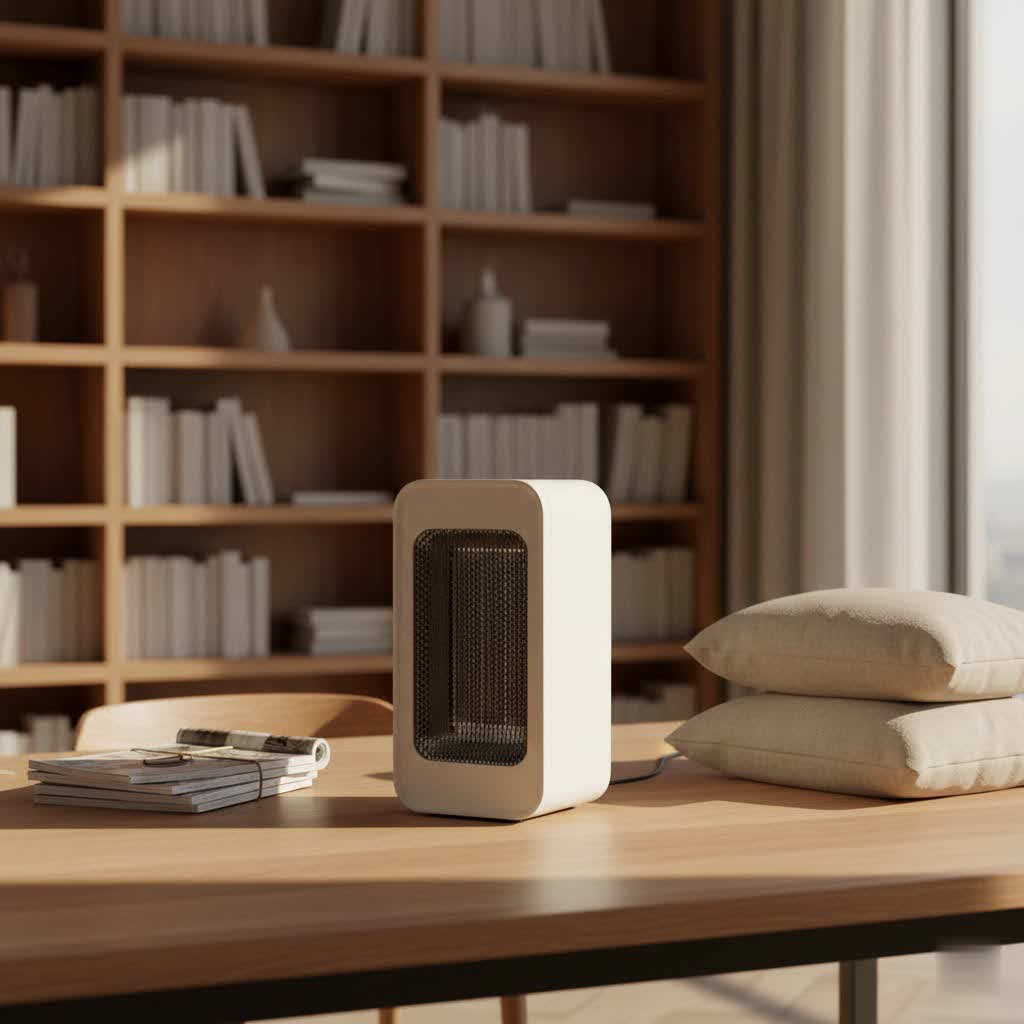
What Exactly is a “Battery Space Heater”?
When people search for a “battery space heater,” they often envision a self-contained unit that runs solely on internal batteries, similar to a cordless drill but producing room-warming heat. While small, low-wattage devices exist that are technically battery-powered, the concept of a powerful, room-heating battery space heater as a standalone appliance is largely a misconception for a fundamental reason: the immense power required to generate significant heat.
Heating elements demand a tremendous amount of electricity. Imagine trying to boil water on a battery-powered stovetop – it’s a similar challenge. Batteries, despite advancements, have limitations in energy density and sustained power output when it comes to high-wattage appliances like space heaters.
The Science Behind the Scarcity: Why True Battery Space Heaters Are Rare
Space heaters convert electrical energy into heat through resistance, a process that inherently consumes a lot of power. A typical electric space heater designed to warm a medium-sized room can draw anywhere from 700 to 1500 watts. To put that into perspective, running a 1500-watt heater for even a single hour would require a battery pack with a capacity of 1500 watt-hours (Wh).
Most portable power banks or even large electric vehicle batteries would be quickly depleted by such a demand. For instance, a 1000Wh battery might power a modest 500W heater for only about 1.5 to 2 hours, and that’s without accounting for efficiency losses in the conversion process. Imagine the size and weight of a battery needed to heat a room for a whole day! It would be prohibitively large, heavy, and expensive, far from the portable convenience most people seek. This high power draw is also why traditional space heaters can sometimes trip circuit breakers if sharing an overloaded circuit.
Practical Solutions for Cordless Warmth
While the mythical, powerful, truly self-contained battery space heater for large areas remains elusive, there are highly effective and practical ways to achieve portable, off-grid warmth. The key often lies in smart pairings and understanding the right tools for the job.
Portable Power Stations: The Modern “Battery” Solution
The most viable approach to an electric battery space heater setup involves a portable power station (PPS), sometimes referred to as a solar generator or battery bank, paired with a low to medium-wattage electric space heater. These robust battery packs are designed to power various appliances, including smaller heaters.
Leading brands like EcoFlow, Bluetti, and Jackery offer portable power stations with significant watt-hour (Wh) capacities and high continuous power outputs. When choosing a portable power station for heating, consider these crucial features:
- Watt-Hour (Wh) Capacity: This indicates how much energy the battery can store. Higher Wh means longer runtimes.
- Continuous Wattage Output: Ensure the PPS can continuously supply the wattage required by your chosen space heater (e.g., a 500W heater needs a PPS with at least 500W continuous output, ideally more for safety margin).
- Surge Capacity: Heaters can have a momentary power spike when starting. A good PPS will have a surge capacity higher than its continuous output to handle this.
- Pure Sine Wave Inverter: Essential for safely running most modern electronics, including heaters, ensuring clean and stable power.
- Battery Chemistry: Lithium-ion (Li-ion) and Lithium Iron Phosphate (LiFePO4) are common, with LiFePO4 often offering greater safety and a longer lifespan.
- Safety Features: Look for built-in battery management systems (BMS), overheat protection, and short-circuit protection.
|
Our Picks for the Best Space Heater in 2026
As an Amazon Associate I earn from qualifying purchases.
|
||
| Num | Product | Action |
|---|---|---|
| 1 | Space Heater, WINHL Small Portable Electric Heaters for Indoor Use with Thermostat and Remote, 70°Oscillation, 12H Timer, 5 Modes, 1500W PTC Ceramic Fast Safety Heat for Office Bedroom Home |

|
| 2 | Dreo Space Heater, Portable Electric Heaters for Indoor Use with Thermostat and Remote, 2024 Upgraded, Digital Display, 12H Timer, 5 Mode, 1500W PTC Ceramic Fast Safety Heat for Office Bedroom Home |
|
| 3 | GiveBest Portable Electric Space Heater with Thermostat, 1500W/750W Safe and Quiet Ceramic Heater Fan, Heat Up 200 Square Feet for Office Room Desk Indoor Use, Silver |
|
| 4 | Dreo Space Heater, 1500W Electric Heaters for Indoor Use with Thermostat, 70° Oscillation, 8 Safety Protections, 5 Modes, Remote, 12H Timer, Quiet Portable Heater for Office, Bedroom, Large Room |
|
| 5 | Ceramic Space Heater, Portable Indoor Heater with Remote Control, Three Heating Modes, Overheat and Tip-Over Protection, Suitable for Home, Bedroom, and Office Indoor Use |
|
| 6 | Amazon Basics Ceramic Space Heater, Portable Indoor Heating Solution, With Overheat and Tip-Over Protection, Thermostat, Non-Oscillating, 1500W, 7.52"D x 6.34"W x 9.45"H, Silver |
|
| 7 | Upgrade CEC163TW in Wall Heater for Cadet Wall Heater, With Built-In Digital Thermostat, High - Capacity Heater for Fast - Heating Space, Suitable for Bedroom, Bathroom, Office, 240/208/120 Volt |
|
| 8 | DREO Space Heater, 1500W Portable Electric Heaters for Indoor Use, PTC Ceramic Heater for Office with Remote, Thermostat, 70°Oscillation, 12H Timer, 5 Modes, Quiet Safe Room Heater for Bedroom |
|
| 9 | VEVOR Radiant Heater, 125000 BTU Portable Space Heater with Handle, 10 Hour Heating, Adjustable Temperature, Indoor & Outdoor Heaters for Jobsite Garage Warehouse Workshop Construction |
|
| 10 | Lasko 1500W Ceramic Tower Space Heater with Remote, Thermostat, Timer & Widespread Oscillation, Portable Electric Heater for Indoor Use, Bedroom & Living Room, 751320 |
|
To estimate runtime, use a simple formula: Battery Capacity (Wh) / Heater Wattage (W) = Approximate Hours of Runtime. Remember to factor in a 10-20% efficiency loss for real-world usage. For example, a 2000Wh portable power station powering a 500W heater might last around 3.2 to 4 hours.
Low-Wattage Personal Heaters: Small but Mighty for Close-Up Comfort
For highly confined spaces or direct personal warmth, small, low-wattage electric heaters can be powered by smaller battery packs or even internal batteries for very short durations. These are ideal for:
- Tents and Camping: Providing a quick burst of warmth in a small enclosed space.
- Vehicles: Adding supplementary heat in a car or RV.
- Desks or Workspaces: Keeping your immediate area warm without heating an entire room.
Many of these utilize ceramic heating elements, known for their efficiency and quick heating capabilities. While they won’t warm a large living room, they excel at targeted, immediate comfort. Some models, like the Lasko MyHeat, are designed with minimal power draw, making them more compatible with smaller power sources.
Heated Apparel and Blankets: Your Most Efficient Personal Warmth
When it comes to personal warmth on the go, battery-powered heated apparel and blankets are incredibly efficient. Instead of trying to heat the air around you, these devices directly apply warmth to your body, requiring significantly less power.
- Heated Jackets, Vests, Gloves, Socks: Many popular tool brands like DeWalt, Bosch, and Milwaukee offer heated gear that runs on their standard rechargeable tool batteries.
- Heated Blankets: Portable heated blankets can plug into a 12V car outlet or a portable power station, offering hours of direct warmth with much lower wattage than a space heater.
These solutions are perfect for outdoor activities, working in cold environments, or staying warm during a power outage without draining batteries rapidly.
Alternatives to Electric Battery Heating for Off-Grid Warmth
For situations requiring more substantial heat in off-grid environments or during extended power outages, fuel-based heaters are often the most practical and powerful alternatives.
Propane Heaters: A Robust Solution for Larger Spaces
Propane heaters are a go-to for many due to their significant heat output and portability. Products like the Mr. Heater Buddy series (including the popular Big Buddy and Little Buddy) and Campy Gear Chubby heaters are designed for safe indoor and outdoor use in enclosed or semi-enclosed spaces such as cabins, tents, garages, and RVs.
- High BTU Output: These heaters can generate thousands of BTUs, capable of warming areas up to 450 square feet or more.
- Adjustable Heat Settings: Allowing you to control the warmth and extend runtime.
- Fuel Efficiency: Propane cylinders offer hours, and sometimes days, of heat depending on the setting and cylinder size.
- Safety Features: Many models include tip-over switches, oxygen depletion sensors (ODS), and automatic shut-off mechanisms.
Crucial Safety Note: Always ensure proper ventilation when using propane heaters indoors to prevent the dangerous buildup of carbon monoxide. A carbon monoxide detector is a non-negotiable safety device for any fuel-burning appliance.
Other Fuel-Based Options
For severe emergencies or specific scenarios, other fuel-based options exist:
- Kerosene Heaters: Can provide powerful, long-lasting heat but also require proper ventilation and fuel storage.
- Wood Stoves: A robust, long-term heating solution for homes, often used in conjunction with a chimney system. (Not portable, but a strong alternative for sustained off-grid heating).
Safety First: Keeping Warm Without the Worry
Regardless of your chosen heating method, safety should always be the top priority.
- Electric Heaters (including those with PPS):
- Overheat and Tip-Over Protection: Modern electric heaters should always have these automatic shut-off features.
- Proper Placement: Keep heaters away from flammable materials (curtains, furniture, bedding).
- Dedicated Circuits: Avoid overloading electrical outlets, even with a portable power station, by ensuring the PPS can handle the heater’s draw without issues.
- Fuel-Based Heaters (Propane, Kerosene):
- Carbon Monoxide Detectors: Absolutely essential for indoor use of any fuel-burning heater.
- Ventilation: Always provide adequate fresh air circulation to prevent carbon monoxide buildup.
- Fuel Storage: Store fuel safely, according to manufacturer guidelines and local regulations.
- Battery Safety:
- Lithium-ion Best Practices: Avoid damaging batteries, use only compatible chargers, and store them in a cool, dry place. Report or safely dispose of any swollen or damaged batteries.
Choosing Your Portable Heating Partner: What to Consider
To make an informed decision, ask yourself these questions:
- What size space do I need to heat? A small tent versus a garage versus personal warmth.
- How long do I need the heat to last? An hour or two for an emergency, or multiple hours for a camping trip?
- What’s my budget? Portable power stations can be a significant investment, but they offer versatility beyond just heating.
- How much portability do I truly need? Are you hiking with it, or just moving it around a cabin?
- Are there any specific safety concerns for my usage environment?
Conclusion
While a truly robust, self-contained battery space heater remains more of a concept than a widely available product, the quest for portable warmth is entirely achievable. By understanding the limitations of battery technology for high-wattage heating and exploring the effective alternatives, you can make an informed choice. Whether it’s pairing a reliable portable power station with a low-wattage electric heater, investing in comfortable heated apparel, or opting for a powerful propane heater, there’s a solution to keep you warm and cozy, no matter where your adventures take you. The key is to match the right tool to your specific heating needs, always prioritizing safety and efficiency.
