As the chill sets in, there’s nothing quite like that perfect pocket of warmth to keep you cozy. That’s where the trusty mini space heater steps in, a compact hero designed to banish the cold from your personal corner of the world. Far more than just a plug-and-play device, a good mini space heater can offer targeted comfort and surprising efficiency, transforming a drafty office, a chilly bedroom, or even a cold workshop into a snug haven. But with so many options out there, how do you pick the right one? And more importantly, how do you use it safely and smartly?
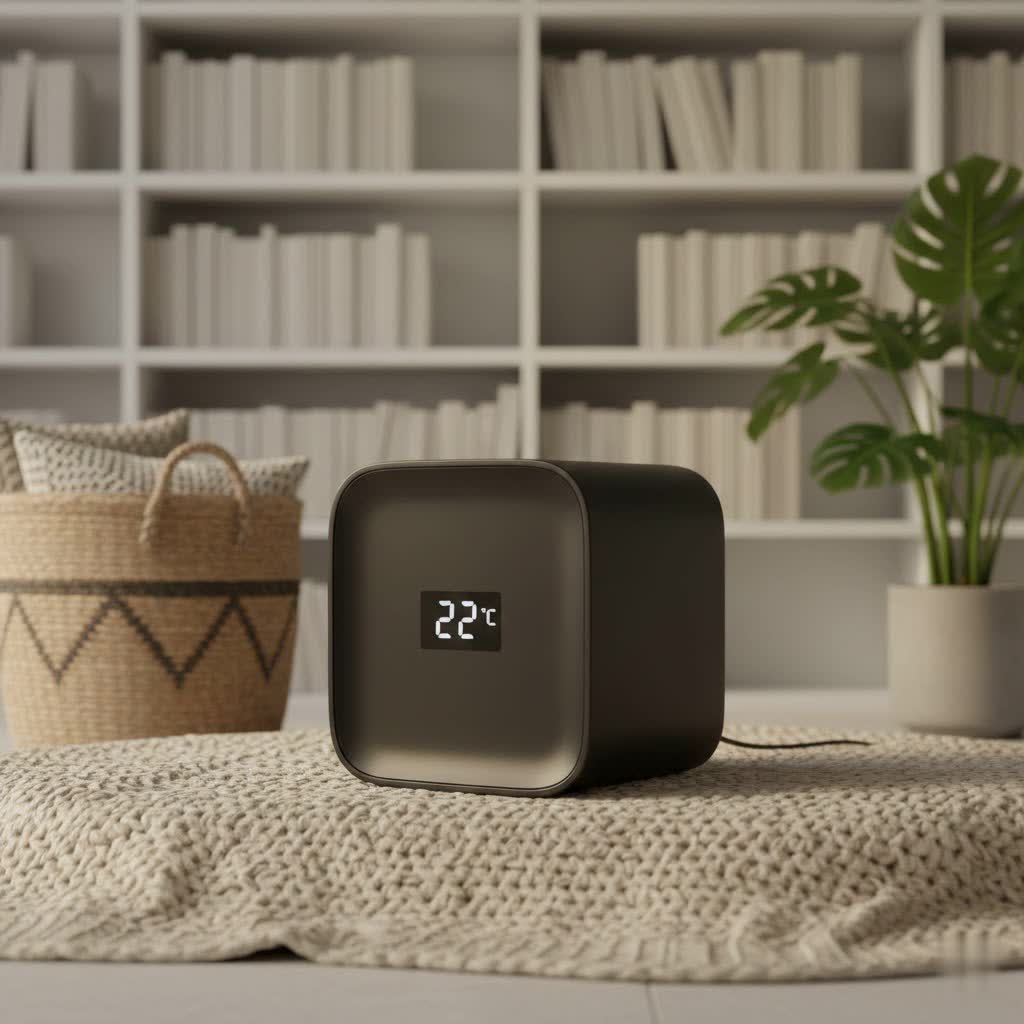
This guide is your go-to resource for everything mini space heaters. We’ll dive deep into their various types, uncover essential safety tips, and share insider secrets to help you choose a mini space heater that perfectly fits your needs, warms your space, and keeps your energy bills in check. Get ready to turn up the heat on your understanding!
What Exactly is a Mini Space Heater?
Think of a mini space heater as your personal furnace, shrunken down to a portable, often tabletop size. These compact devices are specifically engineered to provide supplemental or zone heating, meaning they warm a smaller, localized area rather than attempting to heat an entire home. Their primary appeal lies in their portability and the ability to deliver warmth right where and when you need it most.
Most mini space heaters operate on the principle of resistive heating. Electricity passes through a heating element, generating warmth. This heat is then transferred to your space primarily through two methods: convection, where a fan circulates heated air, or radiation, where infrared energy directly warms objects and people in its path. These little powerhouses are perfect for those moments when your main heating system isn’t enough, or when you simply want to warm up your immediate vicinity without turning up the thermostat for the whole house.
Popular Types of Mini Space Heaters and Their Characteristics
When you’re looking to buy a mini space heater, you’ll generally encounter a few main types, each with its own way of delivering warmth. Understanding these differences can help you decide which mini space heater is best for your specific situation.
Ceramic Heaters
Ceramic mini space heaters are arguably the most common type you’ll find. They use ceramic plates or coils that heat up rapidly. A fan then blows air over these hot ceramic elements, quickly distributing the warmth into the room.
- Pros: They heat up remarkably fast, offering almost instant warmth. Many models feature a “cool-to-touch” exterior, making them safer around kids and pets. They’re excellent for direct, immediate heating.
- Cons: The fan can sometimes be a bit noisy, which might be a concern for light sleepers or quiet office environments. Since they rely on air circulation, they might also contribute to a slight drying of the air.
|
Our Picks for the Best Space Heater in 2026
As an Amazon Associate I earn from qualifying purchases.
|
||
| Num | Product | Action |
|---|---|---|
| 1 | Lasko 1500W Ceramic Tower Space Heater with Remote, Thermostat, Timer & Widespread Oscillation, Portable Electric Heater for Indoor Use, Bedroom & Living Room, 751320 |

|
| 2 | Upgrade CEC163TW in Wall Heater for Cadet Wall Heater, With Built-In Digital Thermostat, High - Capacity Heater for Fast - Heating Space, Suitable for Bedroom, Bathroom, Office, 240/208/120 Volt |
|
| 3 | Ceramic Space Heater, Portable Indoor Heater with Remote Control, Three Heating Modes, Overheat and Tip-Over Protection, Suitable for Home, Bedroom, and Office Indoor Use |
|
| 4 | Amazon Basics Ceramic Space Heater, Portable Indoor Heating Solution, With Overheat and Tip-Over Protection, Thermostat, Non-Oscillating, 1500W, 7.52"D x 6.34"W x 9.45"H, Silver |
|
| 5 | Space Heater, WINHL Small Portable Electric Heaters for Indoor Use with Thermostat and Remote, 70°Oscillation, 12H Timer, 5 Modes, 1500W PTC Ceramic Fast Safety Heat for Office Bedroom Home |
|
| 6 | DREO Space Heater, 1500W Portable Electric Heaters for Indoor Use, PTC Ceramic Heater for Office with Remote, Thermostat, 70°Oscillation, 12H Timer, 5 Modes, Quiet Safe Room Heater for Bedroom |
|
| 7 | GiveBest Portable Electric Space Heater with Thermostat, 1500W/750W Safe and Quiet Ceramic Heater Fan, Heat Up 200 Square Feet for Office Room Desk Indoor Use, Silver |
|
| 8 | Dreo Space Heater, Portable Electric Heaters for Indoor Use with Thermostat and Remote, 2024 Upgraded, Digital Display, 12H Timer, 5 Mode, 1500W PTC Ceramic Fast Safety Heat for Office Bedroom Home |
|
| 9 | VEVOR Radiant Heater, 125000 BTU Portable Space Heater with Handle, 10 Hour Heating, Adjustable Temperature, Indoor & Outdoor Heaters for Jobsite Garage Warehouse Workshop Construction |
|
| 10 | Dreo Space Heater, 1500W Electric Heaters for Indoor Use with Thermostat, 70° Oscillation, 8 Safety Protections, 5 Modes, Remote, 12H Timer, Quiet Portable Heater for Office, Bedroom, Large Room |
|
Radiant (Infrared) Heaters
Radiant heaters work a bit differently. Instead of warming the air, they emit infrared radiation that directly heats objects and people within their line of sight, much like the sun’s rays.
- Pros: These heaters are typically very quiet since they don’t use a fan to distribute heat. They’re highly efficient for spot heating, as they directly warm you and nearby surfaces. This means you feel warmer faster without needing to heat the entire room.
- Cons: They aren’t ideal for heating an entire room, as their warmth is most effective when you are directly in front of them. If you move out of their line of sight, you’ll quickly lose the direct warmth.
Oil-Filled Radiator Heaters
These heaters contain a diathermic oil permanently sealed within their fins. An electric element heats the oil, which then radiates warmth into the room. The oil retains heat for a long time, even after the unit turns off.
- Pros: They operate silently, making them perfect for bedrooms or quiet workspaces. They provide a consistent, long-lasting heat that lingers, offering comfort even after the power cycle ends. This can contribute to a more stable room temperature.
- Cons: They are slower to heat up compared to ceramic or fan-forced heaters. They are also generally heavier and less portable due to the oil inside.
Prioritizing Safety: Essential Guidelines for Mini Space Heater Use
Safety should always be your top concern when using any heating appliance, especially a mini space heater. While modern models come with advanced safety features, user vigilance is paramount. “A warm room isn’t worth a fire hazard,” advises Eleanor Vance, a certified home safety expert. “Understanding how to safely operate your mini space heater is the first step to enjoying its benefits without worry.”
Direct Plug-In is Key
This is non-negotiable: never use an extension cord or power strip with a mini space heater. Mini space heaters draw a significant amount of electricity, and most standard extension cords or power strips are not designed to handle such a continuous, heavy load. This can lead to overheating, melting, electrical fires, and serious damage to your property or even injury. Always plug your mini space heater directly into a wall outlet. If you must use an extension cord (which is generally discouraged), ensure it is a heavy-duty appliance-grade cord rated for the heater’s wattage, and always check for a UL or ETL listing.
The “Three-Foot Rule”
Maintain a minimum distance of one meter (approximately three feet) between your mini space heater and anything flammable. This includes curtains, bedding, clothing, paper, furniture, rugs, and even pets. This critical buffer zone helps prevent accidental fires from radiant heat or sparks.
Stable Surface
Always place your mini space heater on a flat, stable, and non-flammable surface. Avoid placing it on thick carpets, rugs that could block airflow, or uneven surfaces where it could easily tip over. Many modern units have tip-over switches, but it’s best not to rely solely on these.
Modern Safety Features
When purchasing a mini space heater, look for models that include these vital safety features:
- Tip-Over Switch: Automatically shuts off the heater if it’s accidentally knocked over.
- Overheat Protection: Senses when the internal components get too hot and automatically turns the unit off to prevent fire.
- Cool-Touch Exterior: Some ceramic models are designed to remain cool to the touch, reducing burn risks.
- UL/ETL Certification: These labels indicate that the product has been tested by an independent safety organization and meets specific safety standards.
Supervision
Never leave a mini space heater running unattended. This means turning it off when you leave the room, go to sleep, or leave the house. This practice drastically reduces the risk of fire.
Avoid Drying Clothes
It might seem convenient, but never use your mini space heater to dry clothes, shoes, or any other items. Covering the heater can block its vents, causing it to overheat and potentially catch fire.
Smart Heating: Tips for Energy-Efficient Mini Space Heater Operation
While electric resistance heaters, including mini space heaters, are inherently 100% efficient at converting electricity into heat, true “energy efficiency” comes down to how smartly you use them. It’s about getting the warmth you need without unnecessarily inflating your electricity bill.
- Targeted Heating: Use your mini space heater only in the room you’re currently occupying. Instead of raising your central thermostat for the whole house, keep it lower and use the mini space heater for personal comfort in your immediate area.
- Thermostat Control: Opt for a mini space heater with an adjustable thermostat. This feature allows the heater to cycle on and off to maintain your desired temperature, preventing overheating and wasted energy. Without it, the heater might run continuously, consuming more power than necessary.
- Timers and Eco Modes: Many mini space heaters come with programmable timers, allowing you to set them to turn on or off at specific times. An “Eco” mode can also help regulate power consumption by adjusting heat output based on the room’s current temperature.
- Seal Drafts: Even the best mini space heater will struggle if heat constantly escapes. Seal any drafts around windows and doors in the room you’re heating. This helps retain the warmth generated, making your mini space heater more effective and efficient.
- Understand Wattage: A standard mini space heater often runs at 1500 watts (W). While this delivers robust heat, it also means higher electricity consumption. Some models offer lower wattage settings (e.g., 750W or 500W) which can be more economical for smaller areas or if you only need a slight boost in warmth. The principle is simple: more watts mean more heat, but also more energy used.
Choosing Your Perfect Mini Space Heater: A Buyer’s Guide
Selecting the right mini space heater means balancing your personal needs with safety and efficiency. Here’s what to consider:
Room Size
Mini space heaters are designed for specific room sizes. A 1500-watt mini space heater can typically warm a room up to 150-200 square feet. For smaller, more personal spaces like under a desk, a lower wattage (e.g., 500W-750W) might be sufficient and more energy-friendly. Don’t oversize your heater; a smaller, properly sized unit will be more effective than an overpowered one in a tiny space.
Safety Certifications
Always verify that the mini space heater carries independent safety certifications such as UL (Underwriters Laboratories) or ETL (Intertek). These marks confirm that the product has undergone rigorous testing and meets national safety standards.
Features to Look For
- Adjustable Thermostat: Essential for maintaining consistent temperature and conserving energy.
- Tip-Over Switch: A critical safety feature that automatically shuts off the unit if it’s accidentally knocked over.
- Overheat Protection: Automatically turns off the heater if its internal components reach an unsafe temperature.
- Oscillation: If you want to distribute warmth more broadly across a small room, oscillation can be very helpful.
- Quiet Operation: Especially important for bedrooms or offices where noise can be disruptive. Oil-filled radiators tend to be the quietest.
- Cool-Touch Exterior: A great feature for households with children or pets, minimizing burn risks.
- Timers and Remote Control: Add convenience, allowing you to schedule heating cycles or adjust settings from afar.
- Portability: Consider the weight and presence of a handle if you plan to move the mini space heater frequently.
Budget
Mini space heaters are generally affordable, but consider both the upfront cost and potential running costs. A slightly more expensive model with advanced energy-saving features (like an accurate thermostat or eco mode) might save you money in the long run.
Maintenance and Troubleshooting: Keeping Your Mini Heater Running Smoothly
Taking a few simple steps for maintenance can extend the life of your mini space heater and ensure it continues to operate safely and efficiently.
Regular Cleaning
Dust and debris can accumulate on heating elements and air intake/exhaust vents, reducing efficiency and posing a fire risk. Use a soft cloth, brush, or vacuum cleaner attachment to gently clean the exterior and vents of your mini space heater regularly, especially before and after seasonal storage. Always unplug the unit before cleaning.
Inspect Cords and Plugs
Before each use, quickly inspect the power cord and plug for any signs of damage, fraying, cuts, or discoloration. If you notice any issues, do not use the mini space heater; replace it or have it professionally repaired.
Proper Storage
When the warmer months arrive, store your mini space heater in a dry, cool place away from direct sunlight and moisture. Ensure it’s unplugged and completely cool before putting it away.
Common Issues and Quick Fixes
- Not Heating: Check if the unit is plugged in securely and if the outlet is working. Ensure the thermostat is set to a temperature higher than the room’s current temperature. Check if the tip-over switch was activated.
- Strange Smells: A slight burning smell during the first few uses is often normal, as manufacturing residues burn off. If a persistent or strong burning smell occurs, unplug the heater immediately and discontinue use. This could indicate an electrical problem.
- Noisy Operation: For fan-forced ceramic heaters, some noise is normal. If it becomes excessively loud or unusual, dust may be trapped in the fan. Clean the unit thoroughly. If the noise persists, it might indicate a mechanical issue.
Frequently Asked Questions (FAQ)
Q1: Are mini space heaters truly energy efficient?
Mini space heaters are 100% efficient at converting electricity into heat, meaning all the energy consumed is turned into warmth. However, their true “energy efficiency” in terms of cost savings depends on how they are used. They are most efficient when heating only the specific area you occupy, allowing you to keep your central heating thermostat lower for the rest of your home.
Q2: Can I leave my mini space heater on overnight?
It is generally not recommended to leave any mini space heater running unattended, especially overnight while you are sleeping. While many modern models have safety features like tip-over switches and overheat protection, unforeseen circumstances can still pose a risk. Prioritize safety by turning them off before bed.
Q3: What’s the best mini space heater for a desk?
For a desk, a compact ceramic mini space heater with a low wattage setting (e.g., 500W-750W) and a cool-touch exterior is often ideal. Its ability to provide quick, direct warmth without taking up much space, along with safety features, makes it a popular choice for personal heating.
Q4: How close can a mini space heater be to furniture?
Always adhere to the “three-foot rule,” keeping your mini space heater at least one meter (three feet) away from any furniture, curtains, bedding, or other flammable materials. This creates a safe zone around the heater to prevent accidental fires.
Q5: Do mini space heaters make a room dry?
Fan-forced ceramic mini space heaters can sometimes contribute to a feeling of dryness in the air, as they circulate heated air. Radiant and oil-filled heaters tend to have less of an impact on air humidity because they don’t rely on blowing air. If air dryness is a concern, consider using a humidifier in conjunction with your heater.
Conclusion
Mini space heaters are undeniable champions of personal comfort, offering a flexible and often cost-effective way to stay warm during chilly months. By understanding the different types available, prioritizing safety with diligent use, and adopting smart heating practices, you can harness the full potential of your mini space heater. Remember to always plug directly into a wall outlet, keep a safe distance from flammables, and never leave your mini space heater unsupervised. With these insights, you’re now equipped to choose and use your mini space heater wisely, ensuring your home remains a haven of warmth and safety. Here’s to a cozy and comfortable season ahead!
