Ever walked into a room and felt a sudden chill, even with the central heating on full blast? We’ve all been there. Cold spots can make your home less cozy and your energy bills higher. That’s where a radiant space heater steps in, offering a unique approach to warmth that targets you and your belongings directly, making those chilly corners a distant memory. Instead of merely warming the air around you, these clever devices deliver a soothing, sun-like heat that you truly feel.
What Exactly is a Radiant Space Heater?
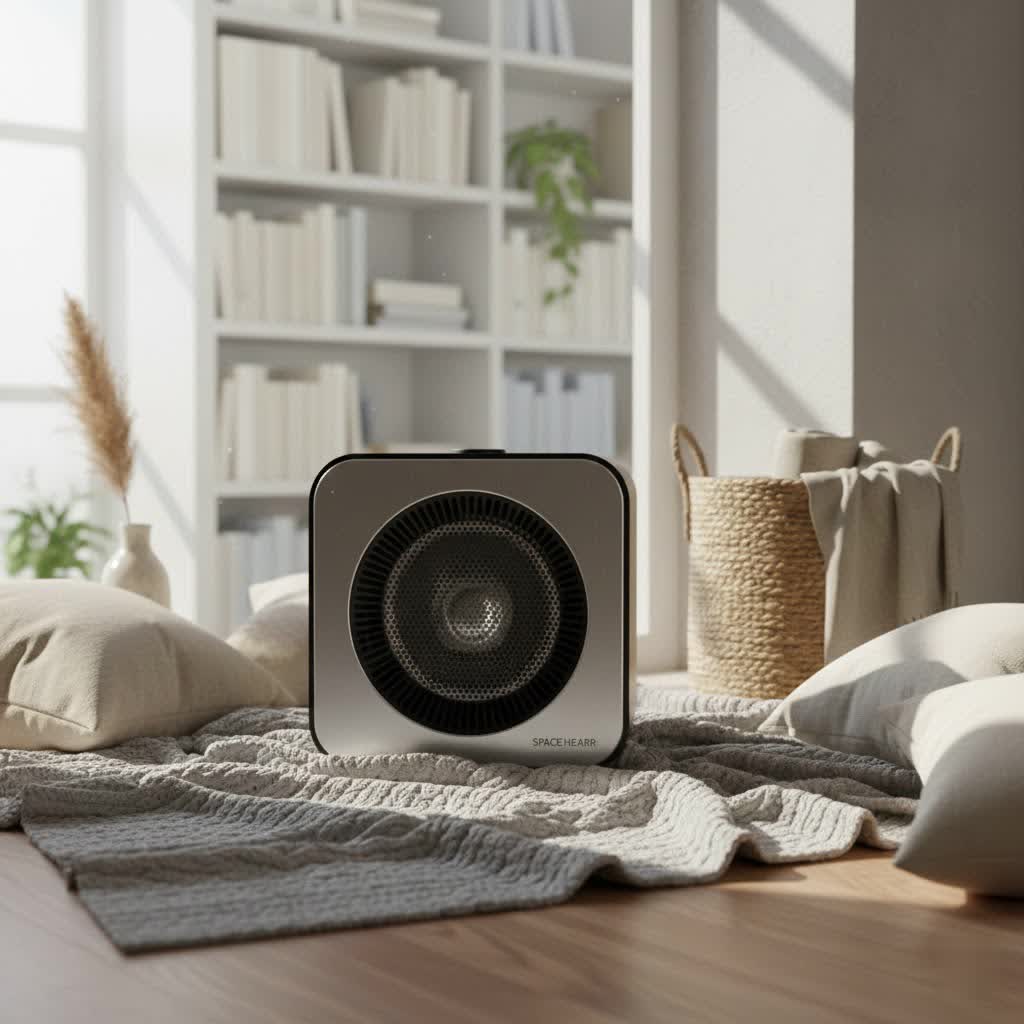
At its heart, a radiant space heater is a warming wizard that works by emitting infrared radiation. Think of it like a mini indoor sun. Unlike traditional heaters that warm up the air, radiant heaters send out invisible electromagnetic waves that travel through the air without heating it. These waves then hit solid objects—like your favorite armchair, the floor, the walls, and even you!—and transfer their energy directly, making those objects feel warm. Once these objects absorb the heat, they begin to re-radiate it, helping to spread a comfortable, lasting warmth throughout your space. It’s a remarkably efficient way to get cozy because the heat isn’t lost to drafts or open spaces as easily as warm air can be.
The process is quite simple yet effective. Inside a radiant heater, a heating element, often made of materials like quartz, ceramic, or specialized metals, is powered up. This element glows and emits those infrared waves. These waves are then absorbed by anything in their path, causing the temperature of those objects to rise. This direct heating method means you feel the warmth almost instantly, much like stepping out from behind a cloud into direct sunlight.
Radiant vs. Convection: Understanding the Core Difference
When it comes to space heaters, you’ll generally find two main camps: radiant and convection. Knowing the difference is key to choosing the right one for your needs.
Convection heaters operate by warming the air around them. They often have a fan that circulates this heated air throughout the room. This method is great for gradually increasing the overall ambient temperature of an enclosed space. However, if there are drafts or open doors, that warm air can escape, making the heater work harder and less efficiently. Plus, they can sometimes stir up dust and allergens, and some find the constant fan noise a bit much.
Radiant heaters, on the other hand, bypass the air almost entirely. They focus their energy on directly warming surfaces and people. Imagine a campfire: you feel its warmth directly on your skin, even if the surrounding air is chilly. That’s radiant heat in action. This distinction makes radiant heaters incredibly effective for “zone heating”—warming just the specific area you’re using.
- When to choose radiant: Ideal for targeted heating, quickly warming a personal space, rooms with high ceilings or poor insulation, or when you want quiet operation and don’t want to dry out the air. Perfect for a cozy reading nook or a chilly home office.
- When to choose convection: Better for heating an entire, well-insulated, enclosed room to a consistent temperature over a longer period.
The Unmistakable Advantages of Radiant Space Heaters
Radiant space heaters come packed with benefits that make them a favorite for many looking to enhance their home comfort and potentially save on energy bills.
Instant, Personal Warmth
|
Our Picks for the Best Space Heater in 2026
As an Amazon Associate I earn from qualifying purchases.
|
||
| Num | Product | Action |
|---|---|---|
| 1 | Upgrade CEC163TW in Wall Heater for Cadet Wall Heater, With Built-In Digital Thermostat, High - Capacity Heater for Fast - Heating Space, Suitable for Bedroom, Bathroom, Office, 240/208/120 Volt |

|
| 2 | Amazon Basics Ceramic Space Heater, Portable Indoor Heating Solution, With Overheat and Tip-Over Protection, Thermostat, Non-Oscillating, 1500W, 7.52"D x 6.34"W x 9.45"H, Silver |
|
| 3 | VEVOR Radiant Heater, 125000 BTU Portable Space Heater with Handle, 10 Hour Heating, Adjustable Temperature, Indoor & Outdoor Heaters for Jobsite Garage Warehouse Workshop Construction |
|
| 4 | GiveBest Portable Electric Space Heater with Thermostat, 1500W/750W Safe and Quiet Ceramic Heater Fan, Heat Up 200 Square Feet for Office Room Desk Indoor Use, Silver |
|
| 5 | Dreo Space Heater, Portable Electric Heaters for Indoor Use with Thermostat and Remote, 2024 Upgraded, Digital Display, 12H Timer, 5 Mode, 1500W PTC Ceramic Fast Safety Heat for Office Bedroom Home |
|
| 6 | DREO Space Heater, 1500W Portable Electric Heaters for Indoor Use, PTC Ceramic Heater for Office with Remote, Thermostat, 70°Oscillation, 12H Timer, 5 Modes, Quiet Safe Room Heater for Bedroom |
|
| 7 | Ceramic Space Heater, Portable Indoor Heater with Remote Control, Three Heating Modes, Overheat and Tip-Over Protection, Suitable for Home, Bedroom, and Office Indoor Use |
|
| 8 | Space Heater, WINHL Small Portable Electric Heaters for Indoor Use with Thermostat and Remote, 70°Oscillation, 12H Timer, 5 Modes, 1500W PTC Ceramic Fast Safety Heat for Office Bedroom Home |
|
| 9 | Lasko 1500W Ceramic Tower Space Heater with Remote, Thermostat, Timer & Widespread Oscillation, Portable Electric Heater for Indoor Use, Bedroom & Living Room, 751320 |
|
| 10 | Dreo Space Heater, 1500W Electric Heaters for Indoor Use with Thermostat, 70° Oscillation, 8 Safety Protections, 5 Modes, Remote, 12H Timer, Quiet Portable Heater for Office, Bedroom, Large Room |
|
One of the biggest perks is the almost immediate warmth you feel. Because they heat objects directly, there’s no waiting for the entire room’s air to warm up. Sit in front of a radiant heater, and you’ll feel that soothing heat on your skin almost instantly, providing quick relief on a cold day. It’s like having your own personal sunbeam, ready to chase away the shivers.
Energy Efficiency for Zone Heating
Radiant heaters are champions of energy efficiency, especially when used for zone heating. Why heat the entire house when you’re only using one room? By directly warming the people and objects in a specific area, these heaters avoid the energy waste associated with heating vast volumes of air that might escape or rise to the ceiling. This targeted approach means less energy consumption, leading to lower electricity bills, especially if you’re smart about where and when you use them.
Quiet Operation
Do you dread the whirring noise of a fan heater? Radiant heaters typically operate in blissful silence. Without a fan to push air around, their operation is nearly noiseless, making them perfect for bedrooms, offices, or any space where peace and quiet are paramount. You get all the warmth without any distracting hum.
Better Air Quality
Since radiant heaters don’t rely on air circulation, they don’t stir up dust, allergens, or pet dander. This can be a significant advantage for individuals with allergies or respiratory sensitivities. Moreover, they tend not to dry out the air as much as forced-air heaters, helping to maintain more comfortable humidity levels, which can be a relief for your skin and sinuses during the dry winter months.
Long-Lasting Comfort
Once objects in a room absorb radiant heat, they retain and re-emit it, creating a sustained sense of warmth. This means the heat lingers even after the heater has cycled off, providing a consistent and cozy environment. It’s a bit like how a brick oven stays warm long after the fire has died down. This radiant warmth penetrates and warms objects, rather than just warming the air, making the comfort feel deeper and more enduring.
Choosing the Right Radiant Space Heater for Your Home
Picking the perfect radiant space heater involves a bit of thought about your specific needs. Here’s what to consider:
Consider Your Space
Are you trying to warm a small, personal area like a desk corner, a medium-sized bedroom, or a larger, less insulated space like a garage or patio? Radiant heaters excel in targeted heating. For very large, open, or high-ceiling spaces, while still effective for direct warmth, you might need a more powerful model or consider combining it with other heating methods.
Power and Heat Output (BTU/Wattage)
Heaters are typically rated in watts (for electric) or BTUs (for propane). A common electric space heater is 1500 watts, suitable for many rooms. Match the heater’s output to the size of the area you intend to warm. More power generally means more heat.
Safety Features
This is paramount. Look for models with essential safety features like:
- Tip-over switch: Automatically shuts off the heater if it’s accidentally knocked over.
- Overheat protection: Turns off the unit if it gets too hot, preventing fire hazards.
- Cool-touch exterior: While the heating elements get hot, a cool exterior casing is a plus, especially if you have pets or small children.
- Low Oxygen Safety System: Crucial for propane radiant heaters to prevent carbon monoxide buildup.
Portability and Design
Do you need to move your heater from room to room? Look for lightweight models with handles or wheels. Oil-filled radiant heaters, for example, are known for their sturdy build and often come with casters for easy movement. The design also matters—some models mimic fireplaces for ambiance, while others are sleek and modern.
Fuel Type (Electric vs. Propane)
Most radiant space heaters are electric, simply plugging into a standard wall outlet. However, portable propane radiant heaters are also available, often used for outdoor spaces, camping, or emergency indoor use. Propane models offer powerful, cordless heat but require proper ventilation and handling of fuel.
Smart Features
Modern radiant heaters often come with handy features like adjustable thermostats, multiple heat settings, timers (so you can set it to turn off after you’ve gone to sleep), and even remote controls for convenience. Some may also integrate with smart home systems.
Safe and Smart Usage Tips
Even the safest radiant heater needs to be used responsibly.
- Placement is Key: Always place your heater on a stable, level surface. Ensure there’s at least a three-foot clearance from anything flammable like curtains, furniture, bedding, or even paper.
- Plug Directly into the Wall: Avoid using extension cords, which can overheat and pose a fire risk. If you must use one, ensure it’s a heavy-duty cord rated for the heater’s wattage.
- Supervise Operation: Never leave a space heater unattended, especially if children or pets are in the room. Turn it off when you leave the room or go to sleep.
- Regular Inspections: Periodically check the heater, cord, and plug for any signs of damage or wear.
Maintenance for Lasting Warmth
Radiant heaters are generally low-maintenance, but a little care goes a long way.
- Keep it Clean: Dust can accumulate on heating elements and grilles, reducing efficiency and potentially posing a fire risk. Unplug the heater and gently wipe it down with a dry cloth or use a soft brush/vacuum attachment to remove dust.
- Store Properly: When not in use, store your radiant heater in a dry, safe place, away from excessive dust or moisture.
Expert Insight: What a Heating Specialist Says
“Many people mistakenly believe all heaters warm a room in the same way,” shares Dr. Eleanor Vance, a leading expert in thermal comfort technologies. “However, radiant heaters are distinct because they directly energize the objects and people within a space through infrared waves. This isn’t just about feeling warm; it’s about a more efficient and profound sense of comfort that pervades everything around you, creating a truly inviting atmosphere without the energy waste of heating empty air.”
Frequently Asked Questions (FAQ)
Are radiant heaters good for large rooms?
Radiant heaters excel at targeted, localized heating. While they can contribute to overall warmth in a large room by heating objects, they are most efficient for specific zones rather than attempting to uniformly heat an entire expansive space like a convection heater.
Do radiant heaters use a lot of electricity?
They can be very energy-efficient, especially when used for zone heating. By directly warming objects and people, they often allow you to lower your central thermostat, saving on overall heating costs. Their efficiency depends on usage and the area being heated.
Can radiant heaters be left on overnight?
For safety, it’s generally recommended to turn off any space heater, including radiant ones, when you leave a room or go to sleep. Always prioritize models with tip-over and overheat protection if you anticipate accidental nighttime use.
Are radiant heaters safe for pets and children?
Modern radiant heaters often include safety features like tip-over switches and overheat protection. However, the heating elements themselves can get hot. Look for models with cool-touch exteriors or protective grilles, and always maintain proper clearance from anything (or anyone!) flammable. Supervision is key.
What’s the difference between an infrared and an oil-filled radiant heater?
Both are types of radiant heaters. Infrared heaters use quartz or ceramic elements to directly emit infrared waves. Oil-filled radiators, on the other hand, contain diathermic oil heated by an electric element; the oil retains and radiates heat through the heater’s metal fins, providing a consistent, gentle radiant warmth.
Conclusion
Radiant space heaters offer a truly unique and effective way to bring warmth into your life. By delivering direct, sun-like heat to you and your surroundings, they create a comfort that permeates beyond just the air. Whether you’re battling a persistent cold spot, aiming to lower your energy consumption through zone heating, or simply seeking a quiet, clean, and instant source of warmth, a radiant space heater can be a brilliant addition to your home. Make a smart choice for your comfort and energy bill, and embrace the inviting embrace of radiant warmth this season.
