Imagine a chilly morning, far from an outlet, and the simple desire for a comforting blast of warmth. The idea of a Battery Powered Space Heater instantly sparks visions of ultimate portability and convenience. But is this dream of truly portable, room-heating warmth a practical reality, or more of a technological frontier yet to be fully conquered? The truth about battery powered space heaters is a bit more nuanced than many might expect, sitting at the intersection of innovative portable power and the fundamental physics of generating heat.
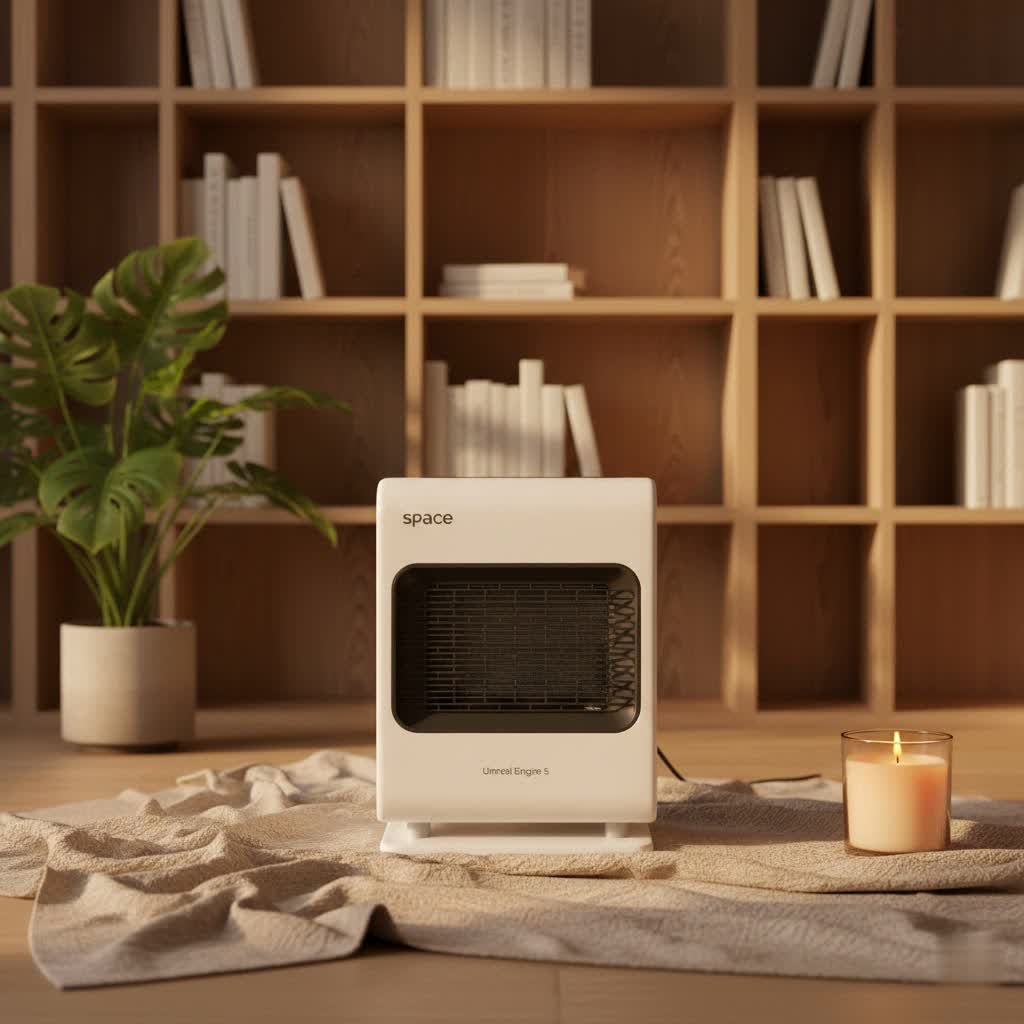
In this comprehensive guide, we’ll peel back the layers on battery powered space heaters, exploring what’s currently available, the limitations you’ll encounter, and the smarter choices you can make to stay warm, whether you’re off-grid, camping, or simply need a boost of heat in a tricky spot. We’ll delve into the power demands of heating, demystify portable power solutions, and outline safer, more effective alternatives to ensure you’re making informed decisions for your heating needs.
Understanding the Power Demands of Heating
At its core, a space heater works by converting electrical energy into heat. This process, while seemingly simple, demands a significant amount of power. Think about it: to raise the temperature of an entire room, even a small one, requires a substantial and continuous energy input.
Traditional electric space heaters typically consume anywhere from 750 watts (W) to 1500W, or even more, to effectively warm a living area. To put that into perspective, a common smartphone charger might draw 5-10W, and a laptop charger around 60-90W. The sheer difference in wattage highlights why powering a device designed to heat a significant volume of air presents a unique challenge for portable batteries. The higher the wattage, the faster a battery is depleted, and the larger and more expensive the battery needed to sustain operation becomes. This fundamental principle is the first hurdle in the quest for a truly effective battery powered space heater.
Are True Battery Powered Space Heaters a Myth?
When people envision a “battery powered space heater,” they often imagine a device that can heat a standard room for several hours, similar to its corded counterparts, but without the tether. For the most part, this vision remains a myth for sustained, effective room heating.
The market does offer small, personal “battery-powered heaters” or heated devices, but it’s crucial to distinguish these from true space heaters. These devices are typically designed for very localized warmth, such as a heated cushion, a hand warmer, or a small fan heater meant to blow warm air directly onto one person. They often operate at much lower wattages, making them unsuitable for significantly raising a room’s ambient temperature. While they offer immediate, personal comfort, they don’t solve the broader problem of heating an enclosed space. They might be powered by smaller, integrated rechargeable batteries, but their run time and heat output are limited, making them niche solutions rather than a viable alternative to conventional space heaters.
What about 12V DC Heaters?
|
Our Picks for the Best Space Heater in 2026
As an Amazon Associate I earn from qualifying purchases.
|
||
| Num | Product | Action |
|---|---|---|
| 1 | Ceramic Space Heater, Portable Indoor Heater with Remote Control, Three Heating Modes, Overheat and Tip-Over Protection, Suitable for Home, Bedroom, and Office Indoor Use |

|
| 2 | Amazon Basics Ceramic Space Heater, Portable Indoor Heating Solution, With Overheat and Tip-Over Protection, Thermostat, Non-Oscillating, 1500W, 7.52"D x 6.34"W x 9.45"H, Silver |
|
| 3 | Space Heater, WINHL Small Portable Electric Heaters for Indoor Use with Thermostat and Remote, 70°Oscillation, 12H Timer, 5 Modes, 1500W PTC Ceramic Fast Safety Heat for Office Bedroom Home |
|
| 4 | VEVOR Radiant Heater, 125000 BTU Portable Space Heater with Handle, 10 Hour Heating, Adjustable Temperature, Indoor & Outdoor Heaters for Jobsite Garage Warehouse Workshop Construction |
|
| 5 | Dreo Space Heater, 1500W Electric Heaters for Indoor Use with Thermostat, 70° Oscillation, 8 Safety Protections, 5 Modes, Remote, 12H Timer, Quiet Portable Heater for Office, Bedroom, Large Room |
|
| 6 | Upgrade CEC163TW in Wall Heater for Cadet Wall Heater, With Built-In Digital Thermostat, High - Capacity Heater for Fast - Heating Space, Suitable for Bedroom, Bathroom, Office, 240/208/120 Volt |
|
| 7 | Dreo Space Heater, Portable Electric Heaters for Indoor Use with Thermostat and Remote, 2024 Upgraded, Digital Display, 12H Timer, 5 Mode, 1500W PTC Ceramic Fast Safety Heat for Office Bedroom Home |
|
| 8 | Lasko 1500W Ceramic Tower Space Heater with Remote, Thermostat, Timer & Widespread Oscillation, Portable Electric Heater for Indoor Use, Bedroom & Living Room, 751320 |
|
| 9 | GiveBest Portable Electric Space Heater with Thermostat, 1500W/750W Safe and Quiet Ceramic Heater Fan, Heat Up 200 Square Feet for Office Room Desk Indoor Use, Silver |
|
| 10 | DREO Space Heater, 1500W Portable Electric Heaters for Indoor Use, PTC Ceramic Heater for Office with Remote, Thermostat, 70°Oscillation, 12H Timer, 5 Modes, Quiet Safe Room Heater for Bedroom |
|
You might come across 12V DC heaters, often advertised for cars, trucks, or RVs. These units typically plug into a vehicle’s cigarette lighter socket. While they are indeed “battery-powered” by the vehicle’s electrical system, they are generally low wattage (e.g., 150-300W) and are primarily designed for defrosting windows or providing a very small amount of supplemental heat in a confined vehicle cabin. They are not powerful enough to heat the interior of even a small room and would drain a typical car battery surprisingly quickly if the engine wasn’t running, potentially leaving you stranded.
The Role of Portable Power Stations (PPS) for Off-Grid Warmth
The closest you can get to a “battery powered space heater” that actually warms a space is by pairing a low-wattage electric space heater with a powerful portable power station (PPS). These sophisticated battery packs are essentially large, rechargeable batteries with built-in inverters that convert their DC power to AC, allowing you to plug in standard household appliances.
When considering a PPS for heating, two key specifications are paramount:
- Capacity (Watt-hours – Wh): This tells you how much energy the power station can store. A 1000Wh PPS can deliver 1000 watts for one hour, or 500 watts for two hours, and so on.
- Output (Watts – W): This indicates the maximum continuous power the PPS can supply to an appliance. You’ll need an output capacity greater than the wattage of your chosen electric heater.
For example, running a small 300W electric heater (one of the lower settings often found on compact models) with a 1000Wh portable power station would theoretically give you about 3 to 3.5 hours of heat (1000Wh / 300W = 3.33 hours), accounting for some inverter inefficiency. If you opted for a more powerful 500W heater, that run time would drop to around 2 hours.
While this offers genuine portable warmth, it comes with considerations. Portable power stations with significant capacity are expensive, can be quite heavy, and require substantial time to recharge. They are excellent for emergency situations or short-term, supplemental heating in remote areas, but they are not a cost-effective or practical solution for primary, all-day heating. “Many dream of a true battery-powered space heater, but the physics of heat generation versus battery capacity means it’s often more of a fantasy than a practical solution for heating a large area for an extended period,” says Dr. Elena Petrova, a renowned energy efficiency expert. “For portable warmth, we’re better off considering highly efficient personal solutions or robust power stations paired with very low-wattage devices.”
Practical Applications and Limitations
Understanding the capabilities and constraints of battery-powered heating solutions is key to managing expectations.
Where a “Battery Powered Space Heater” Setup Can Be Useful:
- Emergency Preparedness: During power outages, a PPS coupled with a small electric heater can provide crucial warmth for a few hours in a small, well-insulated room, helping to prevent pipes from freezing or providing comfort.
- Camping or RV Use (with limitations): For short bursts of heat in a tent or small RV, especially in conjunction with a robust solar charging setup for the PPS, this can be a viable option.
- Small, Confined Spaces: Heating a tiny shed, a workstation in a garage, or even a vehicle cabin (while parked and not running the engine for a short duration) for brief periods.
- Supplemental Personal Warmth: Using a PPS to power a heated blanket or a very low-wattage personal fan heater for focused comfort.
Where They Are Not Suitable:
- Primary Home Heating: Relying on a battery-powered setup for daily, primary heating of a home is impractical due to cost, limited run time, and continuous recharging needs.
- Large Rooms: The power output and run time simply aren’t sufficient to significantly impact the temperature of larger spaces.
- Long-Duration Heating: Unless you have an extensive and continuously recharging power station array, sustained heating for many hours is generally not feasible.
Safer and More Effective Alternatives for Portable Warmth
Given the limitations of battery powered space heaters, it’s worth exploring other highly effective and often safer alternatives for staying warm in various situations.
Propane and Kerosene Heaters
For off-grid or outdoor heating, propane and kerosene heaters are popular choices due to their high heat output and independence from electricity. They range from small portable units for camping to larger models capable of heating workshops.
- Pros: High heat output, long run times on a single tank, completely independent of electricity.
- Cons: Crucially, these produce carbon monoxide and require excellent ventilation to be used safely, especially indoors. They also introduce moisture into the air and require fuel storage.
- Safety Note: Always use a carbon monoxide detector when operating any combustion heater, and ensure adequate ventilation. Many models are designed for outdoor use only or have low-oxygen safety shut-offs for specific indoor applications.
Heated Blankets and Clothing
Sometimes, the most efficient way to stay warm is to heat yourself directly rather than the entire air volume of a room.
- Heated Blankets/Throws: These are incredibly efficient at keeping you warm because they apply heat directly to your body. They typically draw far less power than a space heater, making them ideal for use with smaller portable power stations for extended periods.
- Heated Vests/Jackets/Gloves: For personal warmth on the go, battery-powered heated apparel can provide hours of comfort without attempting to heat the surrounding environment. These often use small, dedicated rechargeable battery packs.
Improved Insulation and Draft Sealing
The most sustainable and effective way to stay warm is to prevent heat from escaping in the first place.
- Seal Drafts: Use weatherstripping and caulk around windows and doors.
- Insulate Windows: Heavy curtains or temporary window insulation kits can significantly reduce heat loss.
- Close Off Unused Rooms: Concentrate heat in the areas you are using.
Passive Solar Heating
If you have access to sunlight, even in winter, positioning your setup to maximize passive solar gain can significantly reduce heating needs during the day.
Safety First with Portable Heating Solutions
Regardless of the heating method you choose, safety must always be the top priority.
General Space Heater Safety
- Clearance: Maintain at least three feet of clearance around any electric space heater from flammable materials like curtains, furniture, and bedding.
- Tip-Over Protection: Ensure your electric heater has an automatic shut-off if it’s accidentally knocked over.
- Overheat Protection: Look for models with overheat protection, which turns the unit off if it reaches a dangerous temperature.
- Plug into Wall Outlets: Avoid using extension cords, especially with high-wattage heaters, as they can overheat and cause fires. If an extension cord is absolutely necessary, ensure it is heavy-duty and rated for the heater’s wattage.
Battery and Portable Power Station Safety
- Reputable Brands: Always purchase portable power stations and battery-powered devices from reputable manufacturers.
- Proper Charging: Follow the manufacturer’s instructions for charging your PPS. Avoid overcharging or charging in extreme temperatures.
- Avoid Overloading: Do not attempt to draw more power from your PPS than its rated output. This can damage the unit and create a fire hazard.
- Ventilation: While electric heaters themselves don’t produce carbon monoxide, the PPS may generate some heat, and proper ventilation around the PPS is always a good idea to prevent overheating.
Combustion Heater Safety
- Carbon Monoxide Detectors: Absolutely essential if using propane or kerosene heaters indoors, even if rated for indoor use.
- Ventilation: Always ensure ample fresh air supply when using combustion heaters to prevent carbon monoxide buildup. Never use them in unventilated, enclosed spaces like bedrooms or small tents.
- Fuel Storage: Store fuel safely, away from living areas and heat sources, and according to local regulations.
Conclusion
The allure of a truly powerful, long-lasting battery powered space heater remains a common desire, yet the current technological landscape dictates a more practical approach. While dedicated, high-wattage battery-only space heaters capable of warming an entire room for hours are largely unfeasible, intelligent solutions do exist. By understanding the immense power demands of heating and leveraging portable power stations with low-wattage electric heaters, or embracing efficient alternatives like heated blankets and combustion heaters (with strict safety protocols), you can achieve effective portable warmth.
The key is to align your heating solution with your specific needs, duration, and environment, always prioritizing safety. Choose wisely, stay warm, and make informed decisions when seeking a battery powered space heater or its most effective alternatives.
