As the temperatures drop and you find yourself shivering in a “cold spot” in your home, a ceramic space heater might just be the warm hug you’re looking for. These handy devices have become a go-to solution for supplemental heating, offering a blend of rapid warmth, energy efficiency, and modern safety features. But what exactly makes a ceramic space heater tick, and how can you choose the best one to keep your personal space perfectly toasty? Let’s dive in and unravel the cozy world of ceramic heating.
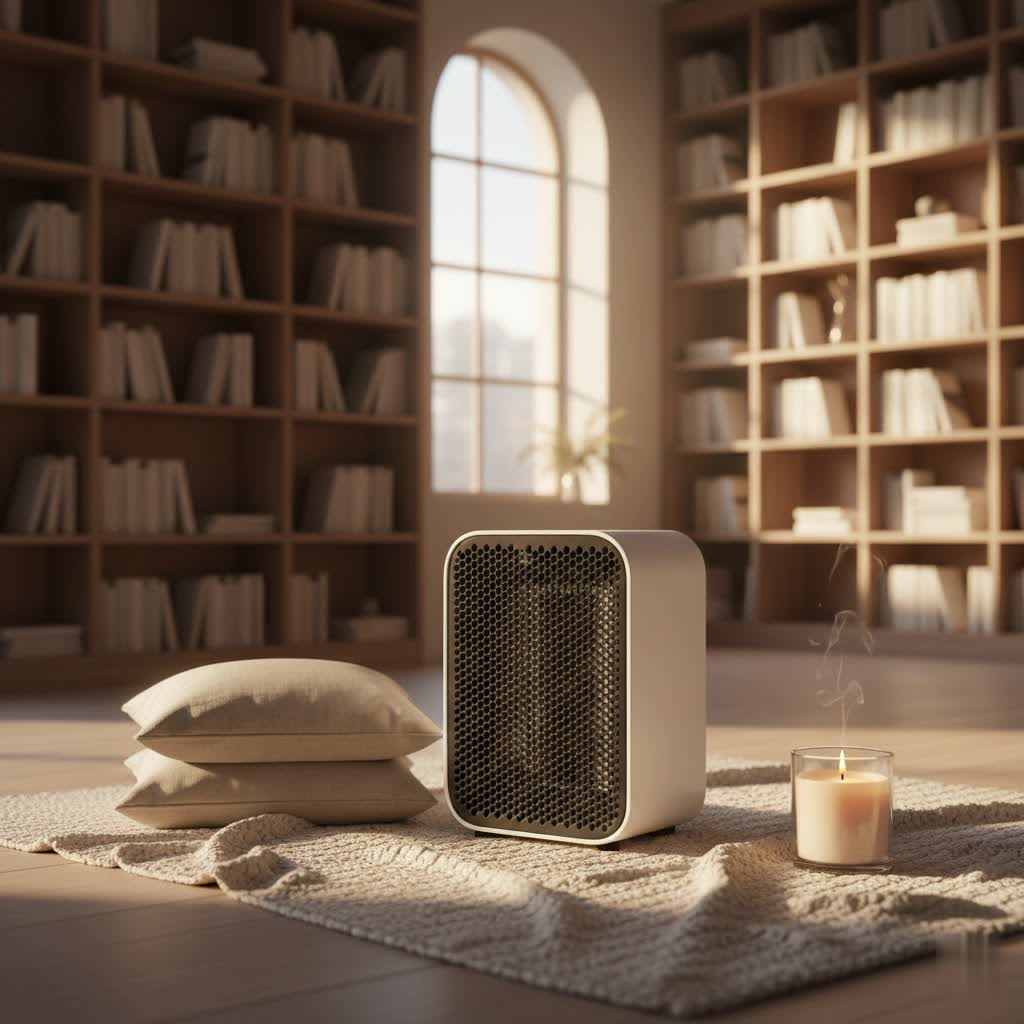
What Exactly is a Ceramic Space Heater and How Does it Work?
At its core, a ceramic space heater is a marvel of modern engineering designed to convert electricity into comforting warmth efficiently. Unlike older models that often relied on exposed metal coils, ceramic heaters utilize specialized ceramic plates or chips—often made from a Positive Temperature Coefficient (PTC) ceramic material—as their heating element.
When you plug in and switch on your ceramic heater, electricity flows through these ceramic plates. Ceramic inherently resists the electrical current, and this resistance is what generates heat. Think of it like a gentle friction producing warmth. What’s particularly clever about PTC ceramic is its self-regulating property; as the ceramic heats up, its resistance increases, which naturally limits the current flow and prevents the element from overheating. This innovative design ensures a stable, consistent heat output.
Once the ceramic plates are hot, most ceramic space heaters employ a built-in fan to blow air across these heated elements. This process, known as convection heating, circulates the warm air throughout your room, helping to banish those chilly drafts and create an even, comfortable environment. Some models might also offer a degree of radiant heat, warming objects directly in front of them, but convection is typically the primary mode of heat distribution.
The Warm Embrace: Advantages of Ceramic Space Heaters
Ceramic space heaters have earned their popularity for a good reason – they offer a compelling array of benefits that make them a smart choice for many households:
Fast, Near-Instant Heat
|
Our Picks for the Best Space Heater in 2026
As an Amazon Associate I earn from qualifying purchases.
|
||
| Num | Product | Action |
|---|---|---|
| 1 | DREO Space Heater, 1500W Portable Electric Heaters for Indoor Use, PTC Ceramic Heater for Office with Remote, Thermostat, 70°Oscillation, 12H Timer, 5 Modes, Quiet Safe Room Heater for Bedroom |

|
| 2 | Dreo Space Heater, Portable Electric Heaters for Indoor Use with Thermostat and Remote, 2024 Upgraded, Digital Display, 12H Timer, 5 Mode, 1500W PTC Ceramic Fast Safety Heat for Office Bedroom Home |
|
| 3 | GiveBest Portable Electric Space Heater with Thermostat, 1500W/750W Safe and Quiet Ceramic Heater Fan, Heat Up 200 Square Feet for Office Room Desk Indoor Use, Silver |
|
| 4 | Dreo Space Heater, 1500W Electric Heaters for Indoor Use with Thermostat, 70° Oscillation, 8 Safety Protections, 5 Modes, Remote, 12H Timer, Quiet Portable Heater for Office, Bedroom, Large Room |
|
| 5 | Upgrade CEC163TW in Wall Heater for Cadet Wall Heater, With Built-In Digital Thermostat, High - Capacity Heater for Fast - Heating Space, Suitable for Bedroom, Bathroom, Office, 240/208/120 Volt |
|
| 6 | Space Heater, WINHL Small Portable Electric Heaters for Indoor Use with Thermostat and Remote, 70°Oscillation, 12H Timer, 5 Modes, 1500W PTC Ceramic Fast Safety Heat for Office Bedroom Home |
|
| 7 | Ceramic Space Heater, Portable Indoor Heater with Remote Control, Three Heating Modes, Overheat and Tip-Over Protection, Suitable for Home, Bedroom, and Office Indoor Use |
|
| 8 | VEVOR Radiant Heater, 125000 BTU Portable Space Heater with Handle, 10 Hour Heating, Adjustable Temperature, Indoor & Outdoor Heaters for Jobsite Garage Warehouse Workshop Construction |
|
| 9 | Lasko 1500W Ceramic Tower Space Heater with Remote, Thermostat, Timer & Widespread Oscillation, Portable Electric Heater for Indoor Use, Bedroom & Living Room, 751320 |
|
| 10 | Amazon Basics Ceramic Space Heater, Portable Indoor Heating Solution, With Overheat and Tip-Over Protection, Thermostat, Non-Oscillating, 1500W, 7.52"D x 6.34"W x 9.45"H, Silver |
|
One of the most appealing aspects of a ceramic space heater is its ability to deliver warmth almost immediately. You turn it on, and within moments, you can feel that comforting blast of heat. This quick warm-up time means you don’t have to wait around for your space to get cozy, making it perfect for a chilly morning in the home office or a quick warm-up in the bathroom.
Energy Efficiency That Matters
Thanks to their PTC ceramic elements, these heaters are surprisingly energy-efficient. The self-regulating nature of the ceramic means they consume less energy once the desired temperature is reached, cycling on and off to maintain warmth without constantly drawing maximum power. Many models also include eco modes and programmable thermostats, further reducing energy waste and helping you keep those electricity bills in check.
Enhanced Safety Features for Peace of Mind
Safety is paramount when it comes to any heating appliance, and ceramic space heaters often lead the pack in this regard. Because the ceramic elements don’t reach the scorching temperatures of traditional metal coil heaters, the surface of the unit typically remains cool to the touch, significantly reducing the risk of accidental burns. Beyond that, most ceramic heaters come equipped with essential safety features like:
- Overheat Protection: An internal sensor will automatically shut off the unit if it detects an unsafe internal temperature.
- Tip-Over Switches: If the heater is accidentally knocked over, a built-over switch will instantly cut the power, preventing potential hazards.
- No Toxic Emissions: As electric heaters, they don’t produce carbon monoxide or other harmful fumes, making them a safer indoor heating option compared to gas heaters.
Compact and Highly Portable
Ceramic heaters are generally lightweight and come in a variety of compact designs, from small cubes perfect for a desk to slim tower units. Many feature integrated handles, making them incredibly easy to move from room to room, wherever you need a little extra warmth. This portability is a huge plus for targeted heating.
Even Heat Distribution with Oscillation
Many ceramic tower heaters include an oscillation function, allowing the unit to rotate back and forth. This movement helps to spread the warm air more widely and evenly throughout the room, eliminating cold spots and ensuring everyone in the space feels comfortable.
Quiet Operation for Undisturbed Comfort
While fan-assisted models will produce some airflow sound, many modern ceramic space heaters are designed for quiet operation. Manufacturers are constantly improving fan technology to minimize noise, making them suitable for bedrooms, nurseries, or offices where you need to concentrate or relax without distraction. Some of the best models operate at decibel levels below the sound of a whisper.
Facing the Chill: Disadvantages to Consider
While ceramic space heaters offer many upsides, it’s also wise to be aware of their limitations to ensure they’re the right fit for your heating needs:
Limited Heating Range for Larger Rooms
Despite their efficiency, most ceramic heaters are best suited for small to medium-sized rooms or personal heating zones. They might struggle to adequately warm very large, open-plan spaces, requiring longer run times or potentially failing to reach your desired temperature throughout the entire area.
Initial Cost Can Be Higher
Compared to basic fan heaters with metal coils, ceramic space heaters often have a slightly higher upfront purchase price. However, their energy efficiency can lead to long-term savings on your electricity bill, balancing out the initial investment.
Potential Noise from Fans
While many models are designed to be quiet, any ceramic heater with a fan will produce some level of ambient noise. If you are extremely sensitive to sound, especially for sleeping or quiet work, it’s worth checking the decibel rating and reviews before purchasing.
May Dry Out the Air
Convection heating, by its nature, can sometimes lead to a slight drying of the air. For individuals prone to dry skin, allergies, or respiratory sensitivities, this might be a minor concern. However, this effect is generally less pronounced than with some other types of electric heaters.
Dust Collection on Grilles
Heaters with fans inevitably draw in air, and with it, dust. Over time, dust and lint can accumulate on the fan grilles and internal components. This necessitates regular cleaning to maintain efficiency and prevent potential fire hazards.
Not Ideal for High Humidity Areas
While generally safe, ceramic heaters are not typically recommended for areas with consistently high humidity, like bathrooms without proper ventilation. Moisture can potentially affect the ceramic elements, leading to damage over time. Always check manufacturer guidelines for placement.
Ceramic vs. The Rest: How They Stack Up Against Other Heaters
Choosing a space heater can feel like picking the right tool for the job. Let’s see how ceramic space heaters compare to their common counterparts:
Ceramic vs. Traditional Fan Heaters (Metal Coil)
Traditional fan heaters often use metal coils that glow red hot. They tend to be very inexpensive and provide immediate, powerful heat. However, they typically run less efficiently, have a higher surface temperature (posing a burn risk), and the heat dissipates quickly once turned off. Ceramic heaters, with their self-regulating PTC elements and cooler-to-the-touch surfaces, generally offer superior safety and better energy efficiency over extended use.
Ceramic vs. Oil-Filled Radiators
Oil-filled radiators are champions of long-lasting, consistent warmth, slowly heating the oil inside to radiate heat into a room, even after being turned off. They operate silently and are excellent for maintaining a steady temperature in larger spaces. The trade-off is their slow heat-up time and bulkier, heavier design, making them less portable. Ceramic heaters, by contrast, offer quick, targeted heat and superior portability, though their heat doesn’t linger as long.
Ceramic vs. Infrared Heaters
Infrared heaters work differently, emitting electromagnetic radiation that directly warms objects and people in its path, much like the sun. They don’t heat the air around them. This provides a sensation of “instant heat” on your skin and is effective for spot heating in drafty or larger, less insulated areas. Ceramic heaters, primarily relying on convection, are better at raising the ambient air temperature of an entire enclosed space.
Choosing Your Perfect Ceramic Companion: What to Look For
Ready to bring a ceramic heater home? Here’s what to keep an eye out for to ensure you pick the best one for your needs:
- Safety Certifications: Always prioritize heaters with recognized safety certifications like UL or ETL listings. These labels indicate the product has been tested to meet stringent safety standards.
- Adjustable Heating Options: Look for a ceramic space heater with a precise digital thermostat, multiple heat settings (low/high), and ideally, an “eco” mode to optimize energy use.
- Energy-Saving Features: Timers are fantastic for setting the heater to run for a specific duration, while eco modes automatically adjust power to maintain your desired temperature, preventing energy waste.
- Noise Level: If quiet operation is important, check for decibel ratings in product specifications or look for reviews mentioning how quiet the unit runs.
- Size and Portability: Consider where you’ll use the heater. Compact models are great for desks, while taller tower heaters can cover more area. A lightweight design and an easy-to-grip handle are key for portability.
- Oscillation: For broader heat distribution and to minimize cold spots, an oscillating feature is a significant advantage, especially in medium-sized rooms.
Safe & Sound: Essential Usage Tips for Your Ceramic Heater
Even with advanced safety features, responsible usage is key to preventing accidents and maximizing your ceramic heater’s lifespan.
- Placement is Everything: Always place your ceramic heater on a flat, stable surface, away from anything flammable like curtains, furniture, bedding, or papers. Maintain at least a 3-foot (around 1 meter) clearance on all sides.
- No Extension Cords: Plug your ceramic heater directly into a wall outlet. Extension cords can overheat and pose a fire risk due to the high wattage demand of space heaters.
- Regular Maintenance: Keep the air intake and exhaust grilles free of dust and debris. A quick vacuum or wipe-down can prevent dust buildup, which can impair performance and create a fire hazard. If your model has a removable filter, clean it as per the manufacturer’s instructions.
- Monitor Use: While many ceramic heaters are designed to be safe, it’s generally best to avoid leaving them running unattended for long periods or overnight. If you do use it while sleeping, ensure it’s on a stable surface with ample clearance and set with a timer.
Expert Insights on Ceramic Heating
“Ceramic space heaters have truly revolutionized personal and supplemental heating,” notes Elena Petrova, a heating appliance specialist. “Their rapid heating, coupled with the inherent safety of PTC technology, makes them a standout choice for those seeking efficient warmth without compromising on peace of mind. The self-regulating nature of ceramic elements is a game-changer for energy efficiency, offering a smart way to heat specific zones without warming the entire house.”
Frequently Asked Questions (FAQ)
Are ceramic space heaters safe to leave on overnight?
While most modern ceramic space heaters come with advanced safety features like overheat and tip-over protection, it is generally recommended to turn off any space heater when you leave the room or go to sleep. If you absolutely must use one overnight, ensure it’s placed on a very stable surface, has ample clearance from all flammable materials, and ideally, utilizes a timer function to shut off after a set period.
How energy efficient are ceramic heaters?
Ceramic heaters are considered quite energy-efficient for supplemental and personal heating. Their PTC ceramic elements self-regulate temperature, drawing less power once the desired heat level is achieved, unlike traditional coil heaters that constantly consume high wattage. Features like thermostats and eco modes further enhance their efficiency.
What size room can a ceramic heater effectively warm?
Ceramic heaters are most effective in small to medium-sized rooms, typically up to 200-300 square feet. For larger rooms, look for models with powerful fans and oscillation capabilities designed for whole-room heating, or consider them as a supplementary heat source rather than the primary one.
Do ceramic heaters dry out the air?
Like most convection heaters, ceramic heaters can slightly reduce the humidity in a room as they circulate warm air. For most people, this is a minor effect. If you’re particularly sensitive to dry air, you might consider pairing your heater with a small humidifier.
What are PTC ceramic heating elements?
PTC stands for “Positive Temperature Coefficient.” In ceramic heaters, PTC ceramic elements have a unique property: their electrical resistance increases with temperature. This self-regulating characteristic means that as the element heats up, it naturally limits the current flow, preventing it from getting too hot and making ceramic heaters inherently safer and more efficient.
A Smart Choice for a Warmer Home
Ceramic space heaters offer a compelling solution for staying warm and cozy without the need to heat your entire home. With their rapid heating capabilities, impressive energy efficiency, and a suite of built-in safety features, they stand out as a reliable choice. Whether you’re targeting a chilly corner of your office, adding warmth to a bedroom, or simply want to take the edge off a cool evening, a ceramic space heater can be your perfect, portable warmth companion. Choose wisely, use safely, and enjoy the inviting comfort they bring!
