The chill of winter often brings with it the unwelcome thought of rising energy bills. If you’ve been shivering in certain rooms while your central heating struggles to keep up, or if you’re simply looking to reduce your overall heating costs, finding the best energy saving space heater might just be your solution. But with so many options promising efficiency, how do you really choose one that saves you money without compromising comfort? It’s not just about the watts; it’s about smart technology, proper usage, and understanding what truly makes a space heater efficient in your home.
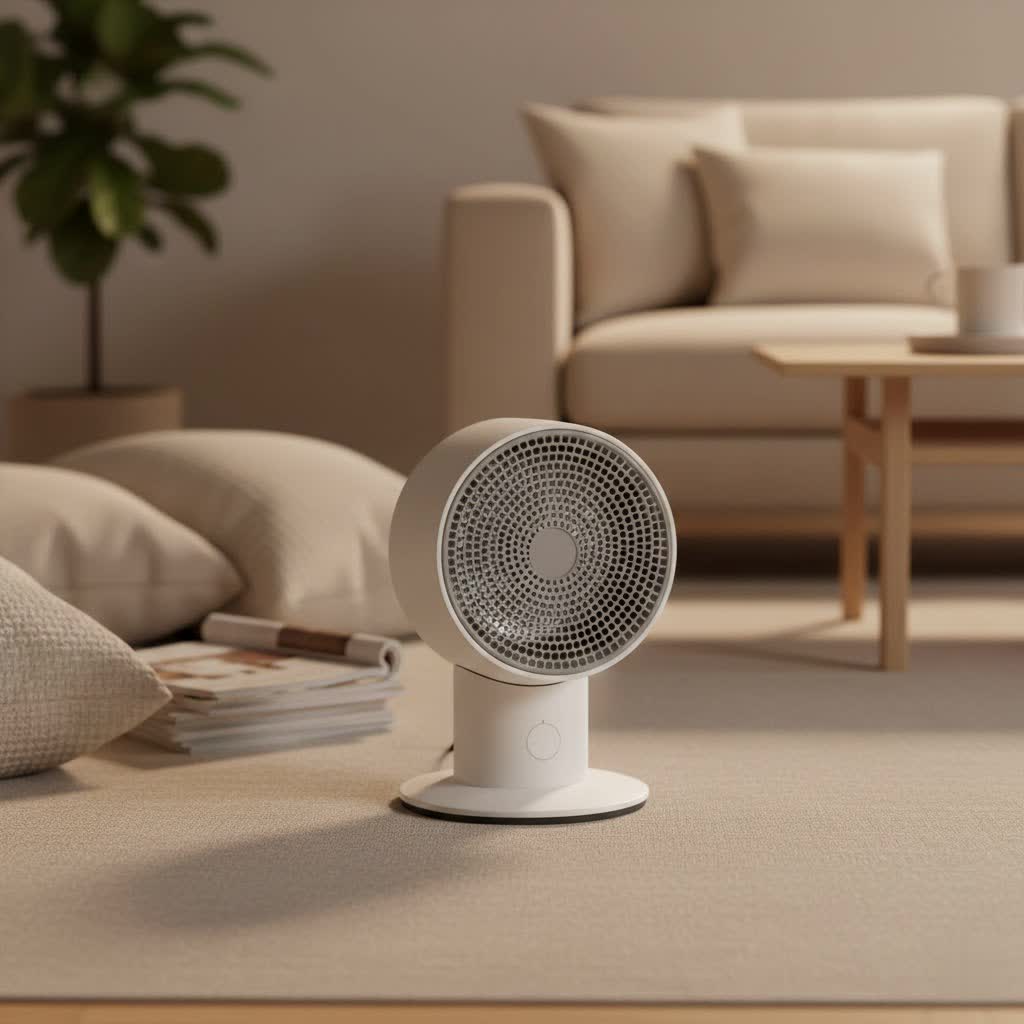
This guide will cut through the marketing jargon, explore different types of heaters, highlight essential energy-saving features, and equip you with practical tips to keep your space cozy and your wallet happy.
Understanding Space Heater Efficiency: Beyond the Watts
Here’s a little secret from the world of physics: all electric space heaters are technically 100% efficient at converting electricity into heat. That’s right, thanks to the First Law of Thermodynamics, every watt of electricity flowing into an electric heater transforms into heat energy. So, a 1500-watt ceramic heater produces the exact same amount of raw heat as a 1500-watt oil-filled radiator.
However, “real-world efficiency” and “energy saving” are determined by several crucial factors beyond this basic conversion:
- Heat Distribution: How effectively does the heater spread warmth throughout your space? A heater that circulates heat efficiently means your room feels warmer faster, reducing the need for continuous operation.
- Heat Retention: Can the heater maintain warmth without constantly cycling on and off? Some types excel at holding onto heat, providing a more consistent temperature with less energy draw.
- Smart Controls: Features like programmable thermostats and timers are game-changers. They prevent energy waste by ensuring the heater only runs when and where it’s truly needed.
- Proper Sizing: An undersized heater will run constantly, struggling to warm a space, while an oversized one will cycle inefficiently and overheat the room quickly. Matching the heater to your room is key.
Don’t be swayed by marketing claims of “revolutionary” heating elements making one electric heater inherently more efficient than another in terms of raw heat output. True energy savings come from how well a heater manages its heat, how smartly it can be controlled, and how appropriately it’s used for your specific needs.
Types of Energy Saving Space Heaters and Their Perks
Understanding the different types of space heaters available will help you pinpoint the best energy saving space heater for your specific requirements. Each type offers unique benefits in how it heats a space.
Ceramic Heaters: Quick Warmth on Demand
Ceramic heaters are incredibly popular for their ability to heat up rapidly. They use ceramic heating elements that get hot quickly, and a built-in fan then circulates this warm air throughout the room.
- Pros: Fast heating, often lightweight and portable, good for quick temperature boosts in small-to-medium rooms. Many come with integrated thermostats for temperature control.
- Best for: Offices, small bedrooms, or any area where you need a rapid burst of warmth for a shorter duration.
|
Our Picks for the Best Space Heater in 2026
As an Amazon Associate I earn from qualifying purchases.
|
||
| Num | Product | Action |
|---|---|---|
| 1 | Dreo Space Heater, Portable Electric Heaters for Indoor Use with Thermostat and Remote, 2024 Upgraded, Digital Display, 12H Timer, 5 Mode, 1500W PTC Ceramic Fast Safety Heat for Office Bedroom Home |

|
| 2 | Ceramic Space Heater, Portable Indoor Heater with Remote Control, Three Heating Modes, Overheat and Tip-Over Protection, Suitable for Home, Bedroom, and Office Indoor Use |
|
| 3 | Space Heater, WINHL Small Portable Electric Heaters for Indoor Use with Thermostat and Remote, 70°Oscillation, 12H Timer, 5 Modes, 1500W PTC Ceramic Fast Safety Heat for Office Bedroom Home |
|
| 4 | VEVOR Radiant Heater, 125000 BTU Portable Space Heater with Handle, 10 Hour Heating, Adjustable Temperature, Indoor & Outdoor Heaters for Jobsite Garage Warehouse Workshop Construction |
|
| 5 | Amazon Basics Ceramic Space Heater, Portable Indoor Heating Solution, With Overheat and Tip-Over Protection, Thermostat, Non-Oscillating, 1500W, 7.52"D x 6.34"W x 9.45"H, Silver |
|
| 6 | Dreo Space Heater, 1500W Electric Heaters for Indoor Use with Thermostat, 70° Oscillation, 8 Safety Protections, 5 Modes, Remote, 12H Timer, Quiet Portable Heater for Office, Bedroom, Large Room |
|
| 7 | DREO Space Heater, 1500W Portable Electric Heaters for Indoor Use, PTC Ceramic Heater for Office with Remote, Thermostat, 70°Oscillation, 12H Timer, 5 Modes, Quiet Safe Room Heater for Bedroom |
|
| 8 | Upgrade CEC163TW in Wall Heater for Cadet Wall Heater, With Built-In Digital Thermostat, High - Capacity Heater for Fast - Heating Space, Suitable for Bedroom, Bathroom, Office, 240/208/120 Volt |
|
| 9 | GiveBest Portable Electric Space Heater with Thermostat, 1500W/750W Safe and Quiet Ceramic Heater Fan, Heat Up 200 Square Feet for Office Room Desk Indoor Use, Silver |
|
| 10 | Lasko 1500W Ceramic Tower Space Heater with Remote, Thermostat, Timer & Widespread Oscillation, Portable Electric Heater for Indoor Use, Bedroom & Living Room, 751320 |
|
Infrared Heaters: Targeted, Radiant Comfort
Infrared heaters operate differently, working more like the sun. Instead of heating the air, they emit infrared radiation that directly warms people and objects in their line of sight.
- Pros: Provide instant, targeted warmth, operate silently (no fan noise), don’t dry out the air, and are very effective in drafty or poorly insulated areas as they don’t lose heat to air movement.
- Best for: Personal heating at a desk, in a workshop, or any specific spot where you want immediate warmth without heating the entire room. They are often cited as among the most energy-efficient for spot heating.
Oil-Filled Radiators: Sustained, Gentle Heat
These heaters use electricity to warm diathermic oil sealed inside metal fins. The heated oil then radiates warmth gradually and silently into the room.
- Pros: Excellent for sustained, consistent heating, continue to radiate warmth even after cycling off (reducing on/off cycles), operate silently without a fan, and provide a gentle, even heat that some find more comfortable than forced air.
- Best for: Bedrooms, living rooms, or any space where you need steady, long-lasting background warmth over extended periods, especially overnight.
Micathermic Panel Heaters: Sleek Design, Dual Heating
Micathermic heaters offer a blend of convection and radiant heating through a slim, flat panel design. They often combine quick heat with a space-saving profile.
- Pros: Often wall-mountable to save floor space, provide even warmth through combined heating methods, and usually include advanced thermostats.
- Best for: Rooms where you want a heater that blends into the decor or where floor space is at a premium, offering both ambient and radiant heat.
Choosing Your Best Energy Saving Space Heater: Key Considerations
Selecting the best energy saving space heater involves more than just picking a type; it requires thoughtful consideration of your space and lifestyle.
Matching Wattage to Your Room Size
The size of your room is a critical factor. Using a heater that’s too small will mean it runs constantly, wasting energy as it struggles to reach your desired temperature. Conversely, an oversized heater will heat too quickly and cycle off, leading to inefficient operation and potentially uncomfortable temperature swings.
- The 10 Watts Per Square Foot Rule: For well-insulated rooms with standard 8-foot ceilings, a good guideline is to allow about 10 watts of heating capacity per square foot of floor space.
- Small Rooms (up to 150 sq ft): Look for heaters in the 750- to 1,500-watt range.
- Medium Rooms (150-300 sq ft): A 1,500-watt model is typically required.
- Larger Rooms (300+ sq ft): You might need multiple heaters or higher-capacity units, possibly combined with an oscillating feature for better distribution.
- Insulation and Ceiling Height: If your room has poor insulation or high ceilings (9-10 feet, add 25%; 11-12 feet, add 50%), you’ll need more wattage. Consider sealing drafts and improving insulation before relying solely on a higher-wattage heater.
Essential Energy-Saving Features to Look For
Modern space heaters come with features designed to boost efficiency and safety. These are what truly make a space heater “energy-saving.”
- Programmable Thermostats: This is a must-have. An adjustable thermostat allows you to set a precise target temperature, and the heater will automatically cycle on and off to maintain it, preventing overheating and unnecessary energy consumption.
- Timer Controls: Timers allow you to schedule the heater to turn off automatically after a set period (e.g., 2, 4, 8, or 12 hours). This is invaluable for preventing overnight energy waste or ensuring the heater isn’t left running indefinitely if you forget to turn it off.
- Multiple Heat Settings (including ECO Mode): Different wattage settings (e.g., low, medium, high) give you flexibility. An “Eco mode” automatically optimizes energy usage to maintain comfort at a lower power draw, often by fluctuating between fan speeds or heating levels.
- Oscillation: For fan-forced and tower heaters, oscillation helps distribute heat more evenly across a larger area, reducing hot spots and potentially warming the room more effectively.
- Smart Controls (Wi-Fi/Geofencing): Higher-end smart heaters can be controlled via an app, offering advanced scheduling, geofencing (automatically adjusting temperature when you leave or approach home), and energy usage tracking. While they cost more upfront, these features can lead to significant long-term savings for frequently used heaters.
Prioritizing Safety: Non-Negotiable Features
Safety should always be your top priority. An energy-saving heater is only beneficial if it’s safe to operate.
- UL/ETL/CSA Certification: Always look for safety certifications from recognized testing laboratories like Underwriters Laboratories (UL Listed), Intertek (ETL Listed), or the Canadian Standards Association (CSA Certified). These indicate the product has met stringent safety standards.
- Tip-Over Protection: This crucial feature automatically shuts off the heater if it’s accidentally knocked over, significantly reducing fire risks.
- Overheat Protection: The heater will automatically cut power if its internal components reach an unsafe temperature, preventing hazards and damage.
- Cool-Touch Exterior: Essential for households with children or pets, a cool-touch exterior prevents burns from accidental contact.
- Direct Wall Plug-in: Always plug your space heater directly into a wall outlet. Never use extension cords, power strips, or surge protectors, as they can overload circuits and create fire hazards. Ensure your outlet can handle the heater’s amperage (most 1500W heaters require a dedicated 15A circuit).
Maximizing Savings: Expert Tips for Using Your Space Heater Wisely
Owning the best energy saving space heater is only half the battle; knowing how to use it strategically is where the real savings happen.
Strategic Placement for Optimal Heat Distribution
Where you place your heater dramatically impacts its effectiveness and energy consumption.
- Away from Windows and Doors: Positioning your heater near cold windows or drafty doors will cause significant heat loss, making the unit work harder.
- Interior Walls and Central Locations: Placing it against an interior wall or in a central spot within the room allows for better heat distribution.
- Unobstructed Airflow: Always ensure at least 3 feet of clear space around the heater to prevent fire hazards and allow for proper air circulation. Don’t block it with furniture or curtains.
Sealing Drafts and Enhancing Home Insulation
Even the most efficient heater can’t compensate for a leaky home. Simple, inexpensive improvements can significantly reduce your heating requirements.
- Weatherstripping and Draft Stoppers: Apply weatherstripping around windows and doors, and use draft stoppers under doors to prevent warm air from escaping and cold air from entering.
- Thermal Curtains: Use heavy thermal curtains or blinds, especially on windows facing cold winds, and close them at night to retain heat.
- Rugs and Carpets: Adding rugs to cold floors can provide an extra layer of insulation and make a room feel warmer.
The Power of Zone Heating
Space heaters excel at “zone heating,” which means heating only the areas you are actively using, rather than warming your entire home.
- Lower Central Thermostat: If you’re using a space heater in your living room, consider turning down your central thermostat by 6-8°F in other parts of the house. This can lead to substantial savings.
- Close Unused Rooms: Keep doors closed to rooms you’re not currently using to concentrate heat where you need it most.
- Supplement, Don’t Replace: Space heaters are best for supplemental heating. They are generally not designed to replace your entire HVAC system for whole-house warmth, as this can be more expensive in the long run.
Understanding Operating Costs
To truly appreciate the “energy saving” aspect, it’s helpful to understand how to calculate your heater’s running cost.
- Simple Calculation:
Watts ÷ 1,000 × Hours Used × Electricity Rate = Daily Cost
For example, a 1500W heater running 8 hours a day at an average electricity rate of $0.16/kWh would cost:1.5 kW × 8 hours × $0.16/kWh = $1.92 per day. - Comparison to Central Heating: When heating one or two occupied rooms, using a space heater while keeping your central thermostat lower can often be 30-50% more cost-effective than heating your entire home with a central system. However, for whole-home heating, central systems are typically more efficient.
Expert Insight: A Word from Dr. Elara Vance, Energy Efficiency Specialist
“Many people believe all space heaters consume the same energy, but the nuance lies in intelligent features and usage. A heater with a precise programmable thermostat and an ECO mode, properly sized for the room, can significantly outperform a basic model in terms of actual electricity saved over a heating season. It’s about smart heating, not just heating.”
Frequently Asked Questions (FAQ)
Are space heaters really energy efficient?
All electric space heaters are 100% efficient at converting electricity to heat. However, their real “energy efficiency” for your wallet comes from how they distribute heat, retain it, and the smart features (like thermostats and timers) that prevent energy waste by heating only where and when needed. They are most efficient for targeted heating of specific rooms, rather than trying to warm an entire house.
What’s the most efficient type for overnight use?
Oil-filled radiators are generally considered the most efficient type for overnight use. They provide sustained, gentle warmth, retain heat well even after cycling off, and operate silently, making them ideal for maintaining a consistent and comfortable temperature throughout the night with minimal energy consumption.
How much does it cost to run a 1500W heater?
The cost to run a 1500W heater depends on your local electricity rate and how long you use it. At a national average electricity rate of $0.16-$0.17 per kilowatt-hour (kWh), a 1500W (1.5 kW) heater running for 8 hours would cost approximately $1.92 to $2.04 per day. Monthly costs can range from $30 to $85, depending on usage patterns and your specific electricity rate.
Can space heaters replace central heating?
Space heaters are generally not designed to replace central heating for an entire home. They are most cost-effective as a supplemental heating solution for specific rooms or zones. Using space heaters to warm 1-2 occupied rooms while keeping your central thermostat lower can save 20-40% on heating bills compared to heating the whole house with a central system.
Are smart space heaters worth the extra cost?
Smart space heaters, with features like app-based scheduling, geofencing, and energy monitoring, typically have a higher upfront cost. However, they can reduce operating costs by 8-30% through optimized usage patterns and automated controls. For frequently used heaters, the energy savings often recoup the initial investment within 1-2 heating seasons, making them a worthwhile investment for long-term savings.
Conclusion
Choosing the best energy saving space heater doesn’t have to be a daunting task. By understanding how different types work, prioritizing key efficiency features like programmable thermostats and timers, and implementing smart usage strategies, you can significantly reduce your energy consumption and lower your heating bills. Remember, the true energy saver is an informed consumer who matches the right heater to their needs and uses it wisely and safely. Embrace smarter heating this season, and enjoy a warm home without the bill shock.
