Chilly mornings and frosty evenings don’t have to mean shivering through your tasks or enduring a cold living space. If you’ve been searching for a robust and reliable heating solution, a diesel space heater might just be your new best friend. These powerhouse devices offer a unique blend of efficiency, serious warmth, and impressive endurance, making them a popular choice for everything from bustling workshops to cozy campervans. But what exactly makes them tick, and how can you ensure you’re getting the most out of one safely? We’re diving deep into the world of diesel space heaters, uncovering their mechanics, benefits, and how to pick the perfect one for your warmth needs.
What Exactly is a Diesel Space Heater?
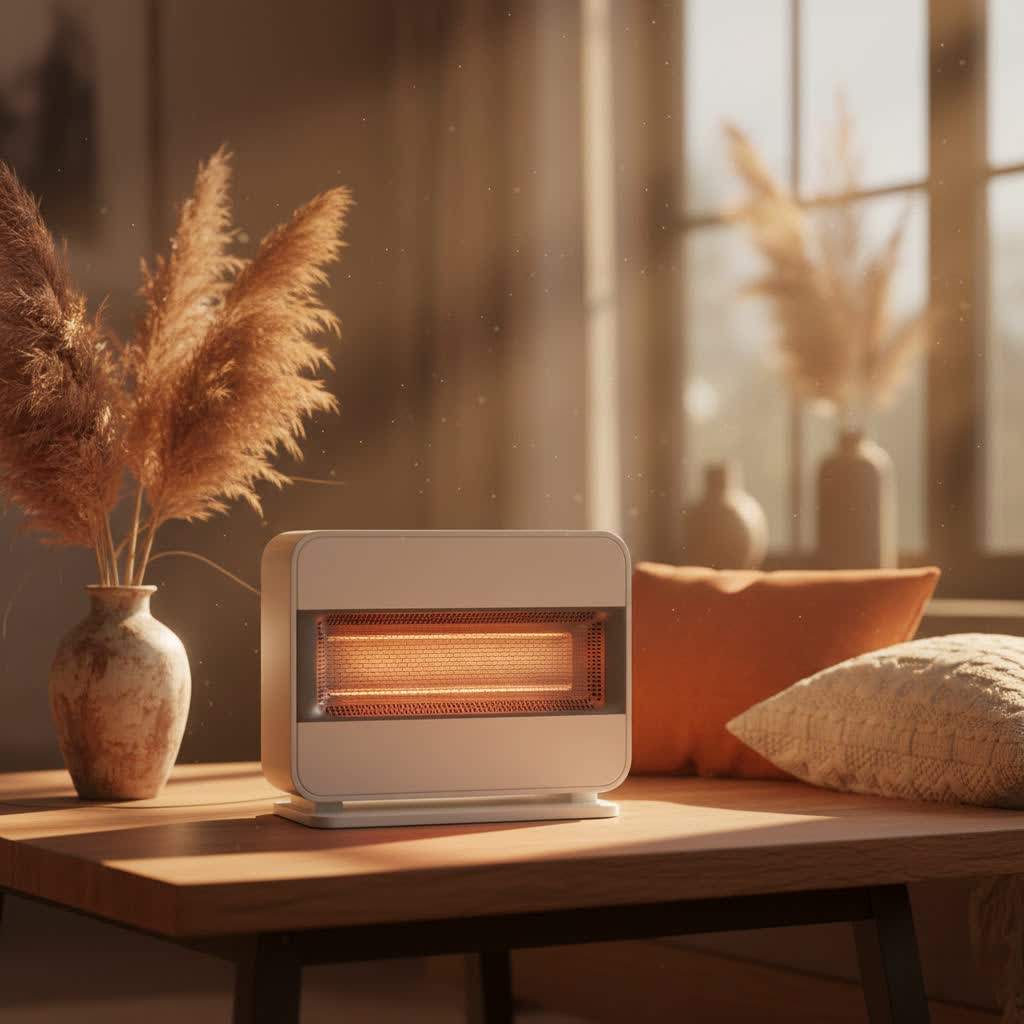
At its core, a diesel space heater is a compact furnace designed to burn diesel fuel to generate heat. Unlike some other heaters that rely on propane or electricity, diesel units are renowned for their high heating capacity and remarkable fuel efficiency, particularly in challenging environments. They utilize a sealed combustion system, ensuring that the burning process is isolated from your breathing air, delivering clean, dry heat without adding moisture to your space.
- “Diesel space heaters are a game-changer for anyone needing reliable, consistent heat in tough conditions,” explains Clara Jensen, a seasoned HVAC technician. “Their design prioritizes both powerful output and safety through proper exhaust management.”
The Science of Warmth: How Diesel Space Heaters Work
Understanding the inner workings of a diesel space heater demystifies its powerful performance. The process is a carefully orchestrated sequence, ensuring effective and safe heat delivery.
- Fuel Delivery: It all begins with the fuel. A precise fuel pump draws diesel from a tank, delivering a calibrated amount to the combustion chamber. This ensures optimal burning and efficiency.
- Air Intake: Simultaneously, the heater pulls in fresh outside air for the combustion process, keeping it completely separate from the air you breathe inside.
- Ignition and Combustion: Inside a sealed combustion chamber, a glow plug ignites the diesel-air mixture. This burning process generates significant heat.
- Heat Exchange: The generated heat then transfers to a heat exchanger. This metallic component absorbs the heat from the combustion gases.
- Warm Air Circulation: A fan or blower circulates the ambient air of your space over this heated exchanger. As the air passes over, it absorbs the warmth.
- Exhaust Expulsion: Crucially, the exhaust gases—byproducts of combustion—are expelled safely outside through a separate exhaust pipe. This prevents harmful fumes like carbon monoxide from entering your heated environment.
Most common diesel heaters are indirect-fired, meaning the combustion gases are completely isolated from the heated air. This makes them safe for enclosed indoor spaces, provided the exhaust is properly vented outdoors. Less common direct-fired heaters, which pass air directly through the flame, should only be used in outdoor or extremely well-ventilated large areas.
Why Choose a Diesel Space Heater? Benefits That Matter
Diesel space heaters have carved out a loyal following thanks to a compelling list of advantages:
- Exceptional Fuel Efficiency: Diesel boasts a higher energy content (BTU per gallon) compared to fuels like propane, meaning less fuel is consumed to produce the same amount of heat. This translates to longer run times and lower operating costs over extended use.
- Reliable in Extreme Cold & High Altitudes: Engineered to perform, diesel heaters are known for their unwavering reliability even when temperatures plummet or at higher elevations where other fuels might struggle to vaporize. This makes them ideal for demanding winter conditions or off-grid adventures.
- Clean, Dry Heat: Unlike propane heaters which release water vapor during combustion, diesel heaters produce dry heat. This is a significant benefit for preventing condensation buildup in enclosed spaces like RVs or sheds, safeguarding your belongings and improving comfort.
- Versatile Applications: From keeping mechanics warm in sprawling garages and ensuring comfort in RVs and campervans, to providing essential warmth on construction sites or in ice fishing huts, diesel heaters are incredibly adaptable.
- Long-Term Value: While often having a higher upfront cost, their superior fuel efficiency and robust construction can lead to significant savings and a longer lifespan, making them a wise long-term investment.
Navigating the Market: Types and Features to Look For
When considering a diesel space heater, you’ll encounter a variety of designs and features tailored to different needs:
- Portable vs. Fixed Units: Portable, all-in-one models are fantastic for flexibility, easily moved between spaces or taken on trips. Fixed units are often installed in vehicles or permanent structures, offering integrated fuel tanks and a more seamless appearance.
- BTU Output: This measures the heater’s heating power. Match the BTU output to the size of the space you need to heat. A small workshop might need 3KW (around 10,000 BTU), while a large garage could require 8KW or even 10KW+ for effective heating.
- Control Options: Modern diesel heaters offer convenient control features, including digital displays, wired remotes, and even Bluetooth app connectivity. Look for models with adjustable thermostats, timers, and automatic shut-off functionalities for ease of use and added safety.
- Safety Features: Prioritize models with built-in overheat protection, flame-out sensors, and automatic shut-off features. These are crucial safeguards.
- Build Quality: While budget-friendly “Chinese diesel heaters” can offer entry-level heating, higher-quality brands generally provide better reliability, quieter operation, and more consistent performance over time. Invest in a reputable brand for peace of mind.
Safety First: Essential Guidelines for Using Your Diesel Space Heater
Safety is paramount when operating any heating appliance, and diesel space heaters are no exception. Adherate to these guidelines to ensure a safe and warm environment:
-
Ventilation is Non-Negotiable: For indirect-fired diesel heaters, the exhaust must be vented outside. Carbon monoxide (CO) is an odorless, colorless, and deadly gas produced during combustion. Ensure your exhaust pipe is free of blockages and directs fumes safely away from any occupied space.
-
Install Carbon Monoxide Detectors: This is an absolute must for any enclosed space where a fuel-burning heater is in use. Place detectors strategically and check them regularly.
-
Maintain Safe Clearance: Keep the heater on a stable, non-flammable surface and maintain at least three feet (about one meter) of clear space around it from all flammable materials like curtains, furniture, and fuel containers.
-
Proper Fuel Handling & Storage: Store diesel fuel in approved containers in a well-ventilated area, away from heat sources and open flames. Never use gasoline or other unapproved fuels in your diesel heater.
-
Regular Maintenance:
- Clean the Combustion Chamber: Over time, carbon deposits can build up, reducing efficiency. Regular cleaning ensures optimal performance.
- Inspect Exhaust System: Check for any damage, blockages, or leaks in the exhaust pipe. A compromised exhaust is a major safety risk.
- Replace Air Filters: A clean air filter ensures proper airflow for combustion and efficient operation. Follow manufacturer recommendations for replacement intervals.
-
Unattended Operation: Never leave a diesel heater running unsupervised, especially if children or pets are present. Always turn it off and allow it to cool before leaving the area or going to bed.
-
“When it comes to diesel heaters, thinking ahead about ventilation and regular checks isn’t just a suggestion; it’s a lifeline,” advises Mark Thompson, a fire safety expert. “A functioning carbon monoxide detector and properly vented exhaust are your best defenses.”
Diesel vs. Propane: Which Heater Wins for Your Needs?
Both diesel and propane heaters offer warmth, but they excel in different scenarios. Here’s a quick comparison to help you decide:
| Feature | Diesel Heater | Propane Heater |
|---|---|---|
| Fuel Efficiency | Higher (more BTUs per gallon) | Lower (less BTUs per gallon, burns faster) |
| Operating Cost | Generally lower for extended use | Can be higher due to faster consumption |
| Cold Weather Perf. | Excellent, reliable in extreme cold/high altitudes | Can struggle in freezing temperatures (vaporization) |
| Moisture Output | Dry heat (no added moisture/condensation) | Releases water vapor (can cause condensation) |
| Safety (Indoor Use) | Safe if indirect-fired and exhaust vented outside | Requires significant ventilation to avoid CO & moisture |
| Fuel Availability/Storage | Widely available, easier to store (non-pressurized) | Widely available, requires pressurized tanks |
| Noise Level | Can be louder (fuel pump, exhaust) | Generally quieter |
| Best For | Long-term heating, extreme cold, dry environments | Short-term, portable use, milder climates |
If you need sustained, powerful, dry heat in demanding conditions, diesel is often the superior choice. For quick, temporary warmth in less extreme environments, propane can be convenient.
Top Tips for Optimal Diesel Space Heater Performance & Longevity
To ensure your diesel space heater serves you well for years to come, keep these tips in mind:
- Right Size, Right Space: Don’t underpower or overpower your space. Choose a heater with a BTU output appropriate for the area you intend to heat.
- Consider Fuel Quality: High-quality diesel can contribute to cleaner burning and reduce carbon buildup, enhancing efficiency and longevity.
- Altitude Adjustments: If you frequently use your heater at varying altitudes, especially high elevations, check if your model has an altitude adjustment feature or if manual adjustments are required for optimal combustion.
- Proper Storage: When not in use, especially for seasonal storage, clean the unit thoroughly, drain any remaining fuel, and store it in a dry, dust-free environment.
Frequently Asked Questions About Diesel Space Heaters
Q: Do diesel heaters produce carbon monoxide?
|
Our Picks for the Best Space Heater in 2026
As an Amazon Associate I earn from qualifying purchases.
|
||
| Num | Product | Action |
|---|---|---|
| 1 | Lasko 1500W Ceramic Tower Space Heater with Remote, Thermostat, Timer & Widespread Oscillation, Portable Electric Heater for Indoor Use, Bedroom & Living Room, 751320 |

|
| 2 | DREO Space Heater, 1500W Portable Electric Heaters for Indoor Use, PTC Ceramic Heater for Office with Remote, Thermostat, 70°Oscillation, 12H Timer, 5 Modes, Quiet Safe Room Heater for Bedroom |
|
| 3 | Amazon Basics Ceramic Space Heater, Portable Indoor Heating Solution, With Overheat and Tip-Over Protection, Thermostat, Non-Oscillating, 1500W, 7.52"D x 6.34"W x 9.45"H, Silver |
|
| 4 | Upgrade CEC163TW in Wall Heater for Cadet Wall Heater, With Built-In Digital Thermostat, High - Capacity Heater for Fast - Heating Space, Suitable for Bedroom, Bathroom, Office, 240/208/120 Volt |
|
| 5 | Dreo Space Heater, 1500W Electric Heaters for Indoor Use with Thermostat, 70° Oscillation, 8 Safety Protections, 5 Modes, Remote, 12H Timer, Quiet Portable Heater for Office, Bedroom, Large Room |
|
| 6 | Space Heater, WINHL Small Portable Electric Heaters for Indoor Use with Thermostat and Remote, 70°Oscillation, 12H Timer, 5 Modes, 1500W PTC Ceramic Fast Safety Heat for Office Bedroom Home |
|
| 7 | Ceramic Space Heater, Portable Indoor Heater with Remote Control, Three Heating Modes, Overheat and Tip-Over Protection, Suitable for Home, Bedroom, and Office Indoor Use |
|
| 8 | VEVOR Radiant Heater, 125000 BTU Portable Space Heater with Handle, 10 Hour Heating, Adjustable Temperature, Indoor & Outdoor Heaters for Jobsite Garage Warehouse Workshop Construction |
|
| 9 | GiveBest Portable Electric Space Heater with Thermostat, 1500W/750W Safe and Quiet Ceramic Heater Fan, Heat Up 200 Square Feet for Office Room Desk Indoor Use, Silver |
|
| 10 | Dreo Space Heater, Portable Electric Heaters for Indoor Use with Thermostat and Remote, 2024 Upgraded, Digital Display, 12H Timer, 5 Mode, 1500W PTC Ceramic Fast Safety Heat for Office Bedroom Home |
|
A: Yes, like all fuel-burning devices, diesel heaters produce carbon monoxide. However, indirect-fired diesel heaters are designed to vent all combustion byproducts, including CO, outside through a dedicated exhaust pipe, ensuring only clean, warm air enters your space. Always use a CO detector.
Q: Do diesel heaters smell?
A: A high-quality, properly installed, and well-maintained diesel heater should produce minimal odor, mostly on initial startup and shutdown. A persistent or strong diesel smell during operation can indicate poor installation, a leak, or a malfunction, which should be addressed immediately.
Q: How much fuel do diesel heaters use?
A: Diesel heaters are highly fuel-efficient. Many common models consume between 0.2 to 0.5 liters (approximately 0.05 to 0.13 gallons) of diesel per hour on lower settings, allowing for extended run times on a single tank. Actual consumption varies by BTU output and ambient temperature.
Q: Can I use kerosene in a diesel heater?
A: Some diesel heaters are designed to be multi-fuel capable and can run on kerosene. Kerosene often burns cleaner with less odor. Always check your heater’s owner’s manual for approved fuel types to avoid damage and ensure safe operation.
Q: Are cheap diesel heaters worth it?
A: Budget-friendly diesel heaters can provide adequate warmth for the price. However, they may come with trade-offs such as louder operation, less robust build quality, more inconsistent performance, and potentially a higher risk of issues or shorter lifespan compared to more established brands. Read reviews and consider your specific needs.
The Ultimate Warmth Solution
A diesel space heater offers a compelling solution for efficient and powerful heating in a variety of settings. With their superior fuel efficiency, robust performance in extreme cold, and the benefit of dry heat, they stand out as a reliable choice. By understanding how they work, selecting the right model, and rigorously following safety guidelines, you can transform your cold spaces into comfortable havens. Embrace the warmth and reliability of a diesel space heater, and enjoy a cozy environment, no matter how harsh the elements.
