When the chill of winter sets in, finding the right way to keep your home warm and inviting becomes a top priority. While central heating systems work wonderfully for an entire house, sometimes you just need a little extra warmth in a specific room, or perhaps you’re looking for a quieter, more consistent heating solution. That’s where the radiator space heater steps in. These unassuming workhorses have grown in popularity for their unique blend of efficiency, safety, and a comforting warmth that feels just right.
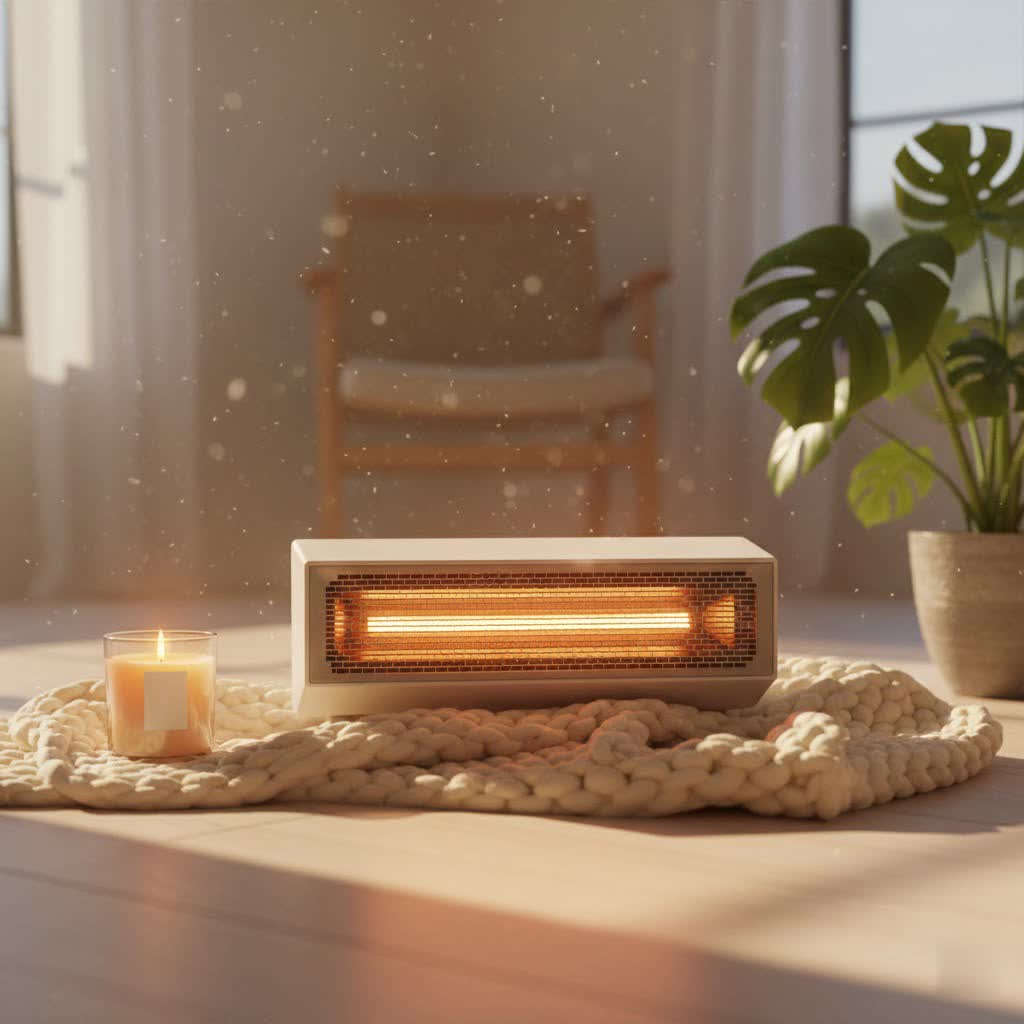
This comprehensive guide from Reviewrflow Warmth will walk you through everything you need to know about radiator space heaters, from how they work their magic to how you can choose, use, and maintain one safely and effectively. Get ready to transform your living spaces into havens of quiet, lasting warmth.
What Exactly is a Radiator Space Heater and How Does It Work?
A radiator space heater is a type of electric heater often referred to as an “oil-filled radiator” due to its internal workings. Unlike a traditional radiator that connects to your home’s boiler and water pipes, this is a self-contained, portable electric appliance. It typically resembles an old-fashioned radiator with a series of fins or columns.
The magic happens inside. When you plug in and switch on a radiator space heater, an electric heating element submerged within its core begins to heat a special type of oil, known as diathermic oil. This oil is sealed within the unit and is never consumed or needs refilling. As the oil warms up, it circulates through the internal chambers and fins of the heater. The heated oil then transfers its warmth to the metal surface of the heater, which, in turn, radiates heat out into the room. Simultaneously, the warm surface heats the surrounding air, creating a natural convection current that gently circulates warmth throughout the space.
A key feature of these heaters is their “thermal inertia.” Once the oil is hot, it retains that heat for a significant period, continuing to release warmth into the room even after the heating element cycles off. This makes them incredibly efficient for sustained heating and contributes to a stable, comfortable room temperature.
The Ups and Downs: Pros and Cons of Radiator Space Heaters
Like any home appliance, radiator space heaters come with their own set of advantages and disadvantages. Understanding these can help you decide if this is the right heating solution for your needs.
Advantages
Radiator space heaters offer several compelling benefits that make them a popular choice for many households:
- Quiet Operation: Perhaps one of their most beloved features is their near-silent operation. Because they don’t use a fan to distribute heat, you won’t hear any whirring or blowing noises, making them perfect for bedrooms, offices, or any space where peace and quiet are valued.
- Consistent, Long-lasting Heat: Thanks to the thermal inertia of the oil, these heaters provide a steady, gentle, and pervasive warmth that lingers. They might take a bit longer to initially heat up compared to a fan heater, but once they’re warm, they maintain a comfortable temperature with less cycling on and off.
- Energy Efficiency for Zone Heating: While they consume electricity, their ability to retain heat and continue warming a room even after the element turns off makes them quite energy-efficient for “zone heating” – warming only the rooms you’re using. Many models also feature thermostats and timers to further optimize energy use.
- Doesn’t Dry Out the Air or Burn Oxygen: Unlike some other heating methods, radiator space heaters do not directly burn oxygen or dry out the air, which can lead to a more comfortable breathing environment and reduce issues like dry skin or irritated sinuses.
- Suitable for Larger Rooms: While often associated with smaller spaces, their consistent and radiating heat makes them effective for maintaining warmth in medium to larger well-insulated rooms, unlike some targeted heaters.
- Portability: Most radiator space heaters are designed with convenience in mind, featuring wheels or handles that allow you to easily move them from one room to another as needed.
|
Our Picks for the Best Space Heater in 2026
As an Amazon Associate I earn from qualifying purchases.
|
||
| Num | Product | Action |
|---|---|---|
| 1 | Ceramic Space Heater, Portable Indoor Heater with Remote Control, Three Heating Modes, Overheat and Tip-Over Protection, Suitable for Home, Bedroom, and Office Indoor Use |

|
| 2 | GiveBest Portable Electric Space Heater with Thermostat, 1500W/750W Safe and Quiet Ceramic Heater Fan, Heat Up 200 Square Feet for Office Room Desk Indoor Use, Silver |
|
| 3 | Lasko 1500W Ceramic Tower Space Heater with Remote, Thermostat, Timer & Widespread Oscillation, Portable Electric Heater for Indoor Use, Bedroom & Living Room, 751320 |
|
| 4 | Dreo Space Heater, 1500W Electric Heaters for Indoor Use with Thermostat, 70° Oscillation, 8 Safety Protections, 5 Modes, Remote, 12H Timer, Quiet Portable Heater for Office, Bedroom, Large Room |
|
| 5 | VEVOR Radiant Heater, 125000 BTU Portable Space Heater with Handle, 10 Hour Heating, Adjustable Temperature, Indoor & Outdoor Heaters for Jobsite Garage Warehouse Workshop Construction |
|
| 6 | DREO Space Heater, 1500W Portable Electric Heaters for Indoor Use, PTC Ceramic Heater for Office with Remote, Thermostat, 70°Oscillation, 12H Timer, 5 Modes, Quiet Safe Room Heater for Bedroom |
|
| 7 | Upgrade CEC163TW in Wall Heater for Cadet Wall Heater, With Built-In Digital Thermostat, High - Capacity Heater for Fast - Heating Space, Suitable for Bedroom, Bathroom, Office, 240/208/120 Volt |
|
| 8 | Space Heater, WINHL Small Portable Electric Heaters for Indoor Use with Thermostat and Remote, 70°Oscillation, 12H Timer, 5 Modes, 1500W PTC Ceramic Fast Safety Heat for Office Bedroom Home |
|
| 9 | Dreo Space Heater, Portable Electric Heaters for Indoor Use with Thermostat and Remote, 2024 Upgraded, Digital Display, 12H Timer, 5 Mode, 1500W PTC Ceramic Fast Safety Heat for Office Bedroom Home |
|
| 10 | Amazon Basics Ceramic Space Heater, Portable Indoor Heating Solution, With Overheat and Tip-Over Protection, Thermostat, Non-Oscillating, 1500W, 7.52"D x 6.34"W x 9.45"H, Silver |
|
Disadvantages
It’s also important to be aware of the potential drawbacks:
- Slower Initial Heat-Up Time: They aren’t the best choice if you need instant warmth. Due to the process of heating the oil and then the metal fins, it takes a bit longer for a radiator space heater to bring a room up to temperature compared to a fan-forced or ceramic heater.
- Bulkier and Heavier: Compared to compact fan heaters, oil-filled radiators tend to be larger and heavier, which might be a consideration if you have very limited space or need to move them frequently up and down stairs.
- Less Directional Heat: The heat from a radiator space heater radiates and convects, warming the general area. If you’re looking for highly targeted, immediate heat directed at a specific spot (like your feet under a desk), another type of heater might be more suitable.
Staying Safe and Sound: Essential Radiator Space Heater Safety Tips
Safety is paramount when using any electrical appliance, especially one that generates heat. Radiator space heaters, while generally considered safe, require adherence to specific guidelines to prevent accidents.
- Mind the Three-Foot Rule: Always place your radiator space heater on a sturdy, level surface at least three feet (about one meter) away from anything flammable. This includes curtains, bedding, furniture, clothing, paper, and rugs. Give it plenty of clear space.
- Plug Directly into a Wall Outlet: Never use an extension cord or power strip with your space heater. These devices can easily overheat and pose a significant fire hazard. Always plug the heater directly into a dedicated wall socket.
- Supervision is Key: Do not leave your radiator space heater unattended for long periods. While many modern models have advanced safety features, it’s best practice to turn it off when you leave the room or go to bed. If you have pets or small children, ensure they cannot get too close or knock the heater over.
- Look for Safety Certifications: When purchasing, always check for a label indicating that the heater has been tested and approved by a nationally recognized testing laboratory. Look for symbols like UL, ETL, or CSA, which signify compliance with safety standards.
- Modern Safety Features: High-quality radiator space heaters often include built-in safety mechanisms such as:
- Overheat Protection: Automatically shuts the unit off if internal components become too hot.
- Tip-Over Switch: Instantly cuts power if the heater is accidentally knocked over.
- Cool-Touch Housing: Designed to keep the exterior surface cool to the touch, preventing accidental burns.
- Regular Inspection and Maintenance: Before each use, quickly inspect the heater for any signs of damage like frayed cords, cracked plugs, or loose connections. If you notice any issues, do not use the heater. For general maintenance, simply wipe down the exterior with a dry cloth to prevent dust buildup. The sealed oil requires no refilling or special maintenance.
- Keep Away from Water: Unless explicitly designed for wet environments (which is rare for radiator space heaters), keep your heater out of bathrooms, humid basements, or any area where it might come into contact with water.
“Safety features in modern radiator space heaters, like tip-over switches and overheat protection, are game-changers for peace of mind,” says Clara Jensen, a seasoned home heating expert with over 15 years in the field. “But even with these innovations, user vigilance and proper placement remain your first line of defense against potential hazards.”
Picking Your Perfect Match: A Radiator Space Heater Buying Guide
Choosing the right radiator space heater for your home involves a few key considerations. Thinking through these points will ensure you get a unit that’s both effective and efficient.
Size Matters: Calculating Wattage for Your Room
The size of your room directly impacts the wattage you’ll need from your heater. A good rule of thumb is to aim for approximately 10 watts of heating power per square foot of space for a room with standard insulation and ceiling height.
- Example: For a 150-square-foot room, you would typically need a heater with about 1,500 watts (150 sq ft * 10 watts/sq ft).
- Adjustments: If your room has high ceilings (over 8 feet), you might need to increase this by about 25%. For poorly insulated rooms, consider around 12 watts per square foot to compensate for heat loss.
Don’t buy a heater that’s too powerful for a small space, as it can waste energy and potentially overheat the room. Conversely, a heater that’s too small for a large area won’t effectively warm the space.
Key Features to Look For
Modern radiator space heaters come with a variety of features that enhance convenience, safety, and efficiency:
- Adjustable Thermostat: Essential for maintaining a consistent temperature and preventing overheating. It allows the heater to cycle on and off as needed, saving energy.
- Programmable Timer: Great for setting the heater to turn on before you wake up or arrive home, and to turn off automatically when you’re away or asleep.
- Multiple Heat Settings: Offers flexibility to choose between high, medium, or low heat, allowing you to fine-tune the warmth and energy consumption.
- Remote Control: Provides convenient operation from across the room.
- Mobility: Look for models with smoothly rolling caster wheels and a sturdy handle if you plan to move the heater between rooms frequently.
- Cord Storage: A small but handy feature for keeping the power cord tidy and preventing tripping hazards when the heater is not in use or being stored.
Consider Your Heating Needs
Think about how and where you’ll primarily use the radiator space heater:
- For Sustained Whole-Room Warmth: If you need to keep a medium to large bedroom, living room, or office consistently warm over several hours, a radiator space heater’s even and long-lasting heat is an excellent choice.
- For Zone Heating: This is where radiator heaters truly shine. Instead of cranking up your central heating for the whole house, you can use a radiator heater to comfortably warm just the specific room you’re occupying, leading to potential energy savings.
- For Quiet Environments: Their fan-less design makes them ideal for nurseries, studies, or any area where noise would be disruptive.
Maintenance Made Easy: Keeping Your Radiator Space Heater Running Smoothly
One of the great advantages of radiator space heaters is their minimal maintenance requirements. Since the diathermic oil is permanently sealed within the unit, you’ll never need to worry about refilling it or performing complex oil changes.
The primary maintenance task involves keeping the exterior clean. Periodically, and always when the unit is unplugged and cool, wipe down the surface with a soft, dry cloth to remove any dust or debris. This not only keeps your heater looking good but also prevents dust from accumulating on the heating surfaces, which could potentially reduce efficiency. Ensure that the air vents (if any) are not blocked by dust or other objects to allow for proper heat dissipation.
Always store your heater in a dry, safe place during off-seasons, perhaps covered to prevent dust buildup.
Frequently Asked Questions (FAQ)
Q: Are radiator space heaters expensive to run?
A: Radiator space heaters can be energy-efficient, especially when used for zone heating with a thermostat and timer. While they convert electricity into heat, their thermal inertia allows them to continue radiating warmth even after the heating element cycles off, which can lead to lower overall running costs compared to heaters that require constant power to maintain heat.
Q: Can I leave my oil-filled radiator on overnight?
A: Many modern oil-filled radiators are designed with safety features like overheat protection and tip-over switches, making them safer for overnight use than older models. However, it’s always recommended to exercise caution, ensure proper clearance from combustibles, and follow the manufacturer’s specific instructions. When in doubt, it’s safest to turn it off.
Q: Do radiator heaters make noise?
A: No, radiator space heaters are known for their silent operation. Unlike fan-forced heaters, they do not have moving parts like fans, making them an excellent choice for bedrooms, nurseries, and offices where quiet is essential.
Q: How quickly do they heat a room?
A: Radiator space heaters typically take longer to heat a room compared to fan-forced or ceramic heaters. They provide a more gradual, sustained warmth rather than instant heat. It might take 15-30 minutes or more, depending on the room size and heater wattage, to feel a significant temperature change.
Q: Do they dry out the air?
A: No, one of the benefits of radiator space heaters is that they do not dry out the air. They provide heat without blowing air or significantly altering the humidity levels, which can be more comfortable for individuals with allergies or respiratory sensitivities.
Conclusion
Radiator space heaters are a fantastic option for anyone looking to add a layer of quiet, consistent, and comforting warmth to their home. Their unique design, leveraging thermal inertia and radiant/convective heat, provides a gentle warmth that lasts, making them a smart choice for zone heating and creating cozy corners in your living spaces. By understanding how they work, prioritizing safety, and choosing a model that fits your specific needs, you can easily integrate a radiator space heater into your home heating strategy. Embrace the intelligent warmth and enhance your comfort this winter with a well-chosen radiator space heater.
