Trying to keep a large living area, an open-plan office, or a spacious bedroom comfortably warm can feel like an uphill battle, especially when winter winds start howling. Central heating systems can be inefficient, leaving you with cold spots and soaring energy bills. That’s where a powerful space heater for large room comes into its own, offering a targeted solution to bring cozy warmth exactly where you need it. But choosing the right one isn’t always straightforward. This comprehensive guide from Reviewrflow Warmth will walk you through everything you need to know, from understanding different heating technologies to prioritizing safety and efficiency, ensuring you select the perfect companion for your large space.
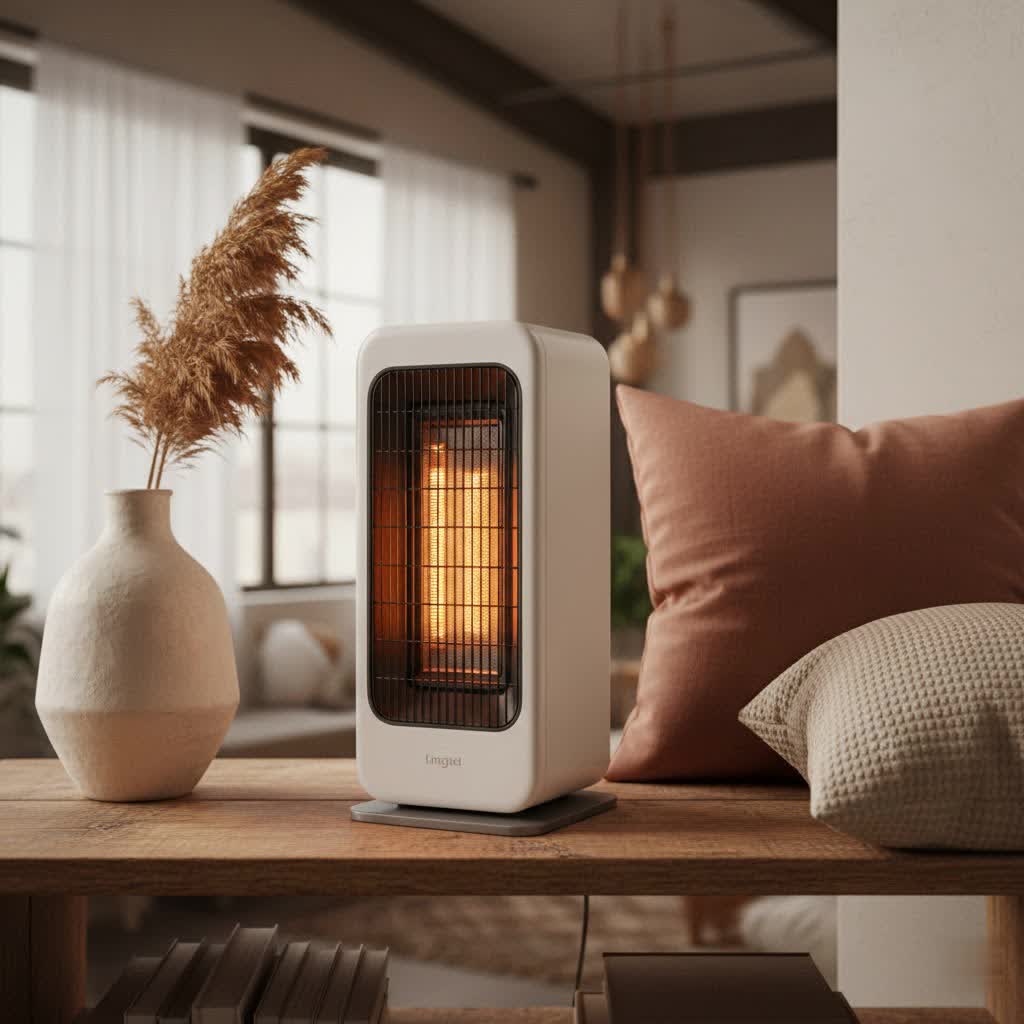
Understanding Space Heaters: More Than Just Hot Air
At its core, a space heater’s job is simple: convert electrical energy into heat to warm a specific area, rather than relying on your home’s central system. For large rooms, this becomes particularly valuable. Think about it: high ceilings often mean heat rises and gets trapped, while drafty corners and inadequate insulation can create persistent cold pockets. A well-chosen large room space heater provides supplementary warmth, boosting the ambient temperature in these challenging environments without needing to crank up your entire home’s thermostat.
Types of Space Heaters Perfect for Large Spaces
When it comes to warming expansive areas, not all space heaters are created equal. Each type utilizes a different method to generate and distribute heat, making some better suited for large rooms than others.
Forced-Air (Convection) Heaters
These are perhaps the most common type you’ll encounter. Forced-air heaters work by drawing in cool air, passing it over a heated element (often ceramic plates or metal coils), and then using a fan to blow the warmed air back into the room.
- Pros: They offer quick heating and can “throw” air across significant distances, making them effective for rapidly warming up a large space. Many modern convection heaters, especially tower designs, also feature oscillation to help distribute heat more evenly, preventing hot spots and ensuring a more consistent warmth across the room.
- Cons: The fan can be noisy, which might be a drawback in quiet environments like bedrooms or offices. Also, the heated air tends to lose some warmth as it travels further from the unit.
|
Our Picks for the Best Space Heater in 2026
As an Amazon Associate I earn from qualifying purchases.
|
||
| Num | Product | Action |
|---|---|---|
| 1 | VEVOR Radiant Heater, 125000 BTU Portable Space Heater with Handle, 10 Hour Heating, Adjustable Temperature, Indoor & Outdoor Heaters for Jobsite Garage Warehouse Workshop Construction |

|
| 2 | Dreo Space Heater, 1500W Electric Heaters for Indoor Use with Thermostat, 70° Oscillation, 8 Safety Protections, 5 Modes, Remote, 12H Timer, Quiet Portable Heater for Office, Bedroom, Large Room |
|
| 3 | Space Heater, WINHL Small Portable Electric Heaters for Indoor Use with Thermostat and Remote, 70°Oscillation, 12H Timer, 5 Modes, 1500W PTC Ceramic Fast Safety Heat for Office Bedroom Home |
|
| 4 | GiveBest Portable Electric Space Heater with Thermostat, 1500W/750W Safe and Quiet Ceramic Heater Fan, Heat Up 200 Square Feet for Office Room Desk Indoor Use, Silver |
|
| 5 | Lasko 1500W Ceramic Tower Space Heater with Remote, Thermostat, Timer & Widespread Oscillation, Portable Electric Heater for Indoor Use, Bedroom & Living Room, 751320 |
|
| 6 | Dreo Space Heater, Portable Electric Heaters for Indoor Use with Thermostat and Remote, 2024 Upgraded, Digital Display, 12H Timer, 5 Mode, 1500W PTC Ceramic Fast Safety Heat for Office Bedroom Home |
|
| 7 | Upgrade CEC163TW in Wall Heater for Cadet Wall Heater, With Built-In Digital Thermostat, High - Capacity Heater for Fast - Heating Space, Suitable for Bedroom, Bathroom, Office, 240/208/120 Volt |
|
| 8 | DREO Space Heater, 1500W Portable Electric Heaters for Indoor Use, PTC Ceramic Heater for Office with Remote, Thermostat, 70°Oscillation, 12H Timer, 5 Modes, Quiet Safe Room Heater for Bedroom |
|
| 9 | Amazon Basics Ceramic Space Heater, Portable Indoor Heating Solution, With Overheat and Tip-Over Protection, Thermostat, Non-Oscillating, 1500W, 7.52"D x 6.34"W x 9.45"H, Silver |
|
| 10 | Ceramic Space Heater, Portable Indoor Heater with Remote Control, Three Heating Modes, Overheat and Tip-Over Protection, Suitable for Home, Bedroom, and Office Indoor Use |
|
Infrared (Radiant) Heaters
Unlike convection heaters that warm the air, infrared heaters emit electromagnetic rays that directly warm objects and people in their path, similar to how sunlight feels. They don’t heat the air around them first.
- Pros: Infrared heaters are highly energy-efficient because they don’t waste energy heating the air that might quickly dissipate. They provide instant, directional warmth, making them ideal for areas with high ceilings where heat tends to rise, or for “spot heating” when you’re sitting in a specific area. They are also typically very quiet.
- Cons: Their heat is directional, meaning you need to be in the line of sight for direct warmth. They won’t warm the entire room’s ambient air as effectively as convection models, although some models combine infrared with a fan for better distribution.
Oil-Filled Radiators
These space heaters contain a diathermic oil within sealed fins. An electric heating element warms the oil, which then radiates heat outwards. They operate without a fan.
- Pros: Oil-filled radiators are renowned for their silent operation and ability to retain heat for an extended period, even after being switched off, thanks to their thermal mass. This provides a steady, consistent, and non-drying warmth that many find very comfortable, especially for overnight use. They are particularly effective for maintaining a stable temperature over a long duration.
- Cons: They take longer to heat up initially compared to forced-air models and can be quite bulky. They are best for sustained warmth rather than quick temperature changes.
Combination Heaters
Some advanced space heaters combine multiple heating technologies, such as infrared and forced-air, to leverage the benefits of each.
- Pros: These hybrid models aim to provide faster, more even heating while often maintaining good energy efficiency. For example, a model might use infrared to warm objects directly and a fan to circulate that warmth throughout the larger room.
Key Factors to Consider When Choosing Your Large Room Space Heater
Selecting the best space heater for a large room requires a thoughtful approach. Beyond just picking a type, several features play a crucial role in its effectiveness, safety, and overall value.
Coverage Area and Wattage
The heating capacity is paramount. A general guideline is to aim for 10 to 15 watts of heating power per square foot of space. Most residential space heaters cap out at around 1,500 watts. This wattage can typically cover about 150 square feet as a primary heat source, or between 300 and 1,000 square feet when used as a secondary, supplemental heat source. It’s vital to differentiate between these uses. If you’re using a space heater as the sole heat source for a very large, uninsulated room like a garage, it will perform less effectively than if it’s boosting an already centrally heated living room. Always measure your room (length x width) to get an accurate square footage, and factor in ceiling height; taller ceilings mean more air volume to heat.
Energy Efficiency
Nobody wants sky-high electricity bills just to stay warm. Look for features that enhance energy efficiency. Programmable thermostats are excellent as they allow you to set a desired temperature, and the heater will cycle on and off to maintain it without wasting energy. Eco modes, which automatically adjust power usage based on ambient temperature, and timers for automatic shut-off are also highly beneficial.
“Think of a space heater as a smart investment,” advises Dr. Eleanor Vance, a Thermal Dynamics Engineer. “The upfront cost is one thing, but the true value lies in its long-term energy efficiency. Features like a precise programmable thermostat aren’t just about convenience; they’re about preventing unnecessary energy consumption and saving you money over time.”
Safety Features: Non-Negotiable for Peace of Mind
Given that space heaters operate with high power and often for extended periods in larger, potentially high-traffic rooms, safety is paramount. Never compromise on these features:
- Cool-Touch Exterior: Essential if you have children, pets, or if the heater is in an area where it might be accidentally touched.
- Tip-Over Protection: This feature automatically shuts off the heater if it’s knocked over, significantly reducing fire risk.
- Overheat Shut-Off: A sensor that turns off the unit if its internal components become too hot.
- Child Safety Lock: Found on many digital models, it prevents little hands from tampering with settings.
Noise Level
If you’re planning to use a space heater in a bedroom, office, or living room where you watch TV, quiet operation is a huge plus. Forced-air heaters tend to be louder due to their fans, while infrared and oil-filled radiators are often whisper-quiet. Look for decibel ratings in product specifications; anything around 25-40dB is generally considered quiet.
Portability and Design
Consider where and how you’ll use the heater. If you plan to move it between different large rooms, look for lightweight designs with sturdy carry handles or caster wheels. Tower designs are popular for their small footprint and often include oscillation to spread heat effectively. Wall-mounted options are excellent for saving floor space and can even hide cords for a cleaner look.
Smart Features and Controls
Modern space heaters often come with conveniences that enhance the user experience. Remote controls allow you to adjust settings from across a large room. Digital displays provide clear temperature readings. Some advanced models even offer Wi-Fi connectivity, letting you control the heater via a smartphone app or integrate it with voice assistants like Alexa or Google Assistant, allowing for scheduling and remote operation.
Maximizing Warmth and Safety: Best Practices for Your Space Heater
Even the safest space heater requires responsible use to prevent hazards and ensure optimal performance in a large room.
- Placement is Key: Always place your space heater on a stable, flat, non-flammable surface. Keep it at least three feet (about one meter) away from anything combustible, such as curtains, furniture, bedding, papers, or fuel sources. Avoid placing it near electrical outlets.
- No Extension Cords or Power Strips: Space heaters draw a significant amount of power. Plugging them into extension cords or power strips can overload the circuit, creating a fire hazard. Always plug your heater directly into a wall outlet.
- Don’t Run Unattended: While some models have advanced safety features, it’s generally not recommended to leave a space heater running when you’re away from home or sleeping. If you absolutely must use it overnight, ensure it has a reliable timer and overheat shut-off.
- Keep Vents Clear: Regularly check and clean the intake and outlet vents to prevent dust and lint buildup, which can cause overheating and reduce efficiency.
- Utilize Ceiling Fans: In large rooms with high ceilings, running your ceiling fan in reverse (on a low setting) can help push rising warm air back down to the living space, improving overall heat distribution and efficiency.
“Safety isn’t just a feature on the box; it’s a practice,” emphasizes Officer Ben Carter, a seasoned Fire Safety Specialist. “Always read your heater’s manual. Never use a space heater with an extension cord, and maintain that crucial three-foot clearance from anything flammable. These simple steps can make all the difference in preventing accidents.”
Frequently Asked Questions About Space Heaters for Large Rooms
Q1: How many watts do I need for a large room?
A good rule of thumb is 10 to 15 watts per square foot. For a large room, generally considered 300 square feet or more, you’ll need a powerful heater, often at the maximum residential limit of 1500 watts. This wattage can efficiently heat about 150 square feet as a primary source or significantly more (up to 1,000 sq ft) when used as a secondary heat source to supplement existing heating.
Q2: Are space heaters for large rooms expensive to run?
The running cost depends on your electricity rates, the heater’s wattage, and how long you use it. While electric heaters convert electricity to heat at nearly 100% efficiency, using them constantly in a very large, poorly insulated room can lead to higher bills. Look for models with programmable thermostats, eco modes, and timers to minimize unnecessary operation and keep costs down.
Q3: What’s the safest type of space heater for a large room?
The safest space heaters are those equipped with essential safety features like cool-touch exteriors, tip-over protection, and automatic overheat shut-off. Oil-filled radiators are often considered very safe due to their stable design, lack of exposed heating elements, and quiet, fan-less operation, making them a good choice for households with children or pets.
Q4: Can a space heater really heat a whole large room?
Yes, many modern space heaters, especially those designed for “whole-room heating” with powerful fans and oscillation, can effectively warm a large room. However, their effectiveness is greatly influenced by factors like room insulation, ceiling height, and whether you’re using it as a primary or secondary heat source. For truly vast, unheated spaces, multiple units or a more robust heating solution might be necessary.
Q5: How far away should a space heater be from furniture in a large room?
Always maintain a minimum clearance of three feet (about one meter) from all combustible materials, including furniture, curtains, bedding, and anything else that could catch fire. This clear zone is critical for safe operation and fire prevention.
Conclusion
Choosing the right space heater for large room is about more than just finding a powerful appliance; it’s about understanding your specific heating needs, prioritizing advanced safety features, and optimizing for energy efficiency. Whether you opt for the rapid warmth of a forced-air unit, the gentle, sustained heat of an oil-filled radiator, or the targeted efficiency of an infrared model, an informed decision will ensure your large spaces remain wonderfully warm and comfortable. With the insights from Reviewrflow Warmth, you’re now equipped to make a smart choice, turning those chilly corners into cozy havens and enhancing your home’s overall warmth this winter.
