As the chill sets in, keeping vast industrial spaces comfortable and productive becomes a real challenge. You’re not just trying to take the edge off; you’re looking to create an environment where work can continue safely and efficiently. That’s where an industrial space heater comes in, transforming cold, cavernous areas into functional, warm zones. These aren’t your typical home heaters; industrial space heaters are robust workhorses designed for the rigorous demands of warehouses, factories, construction sites, and expansive workshops.
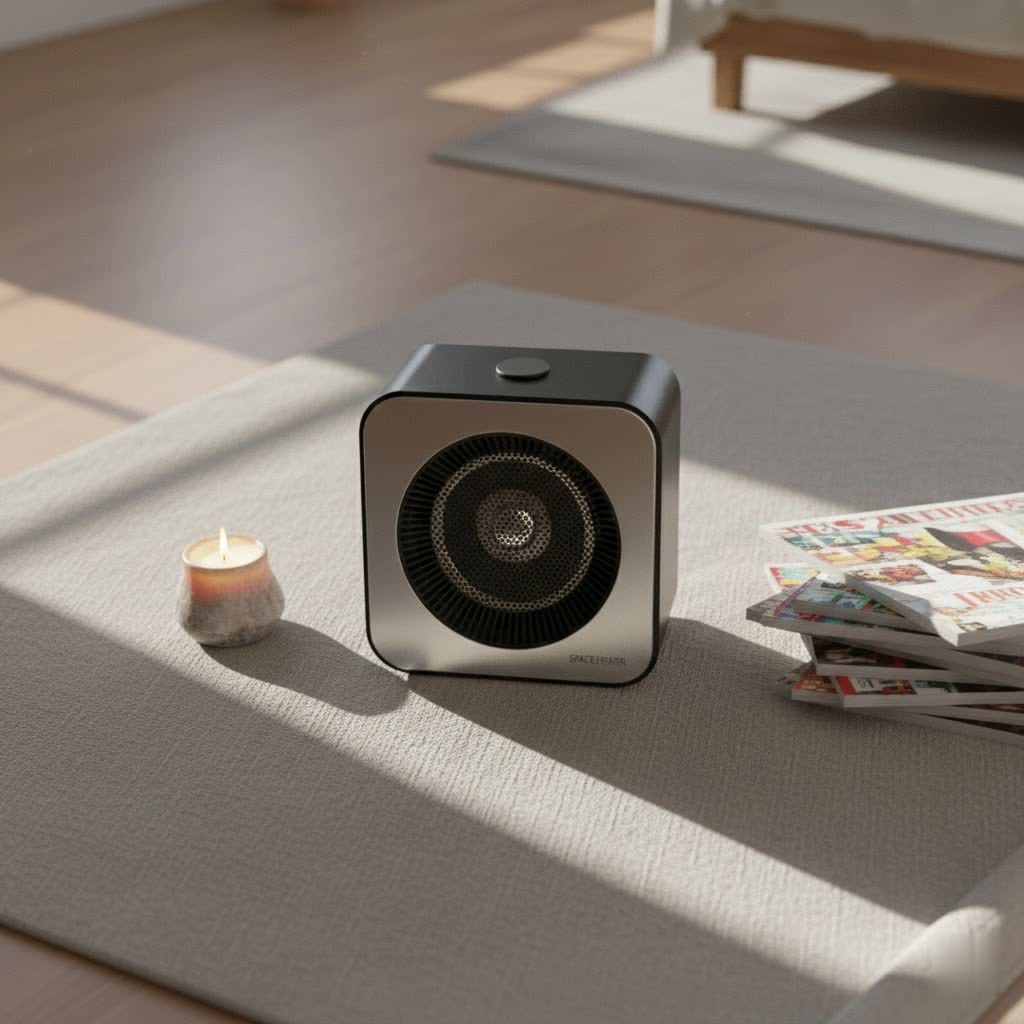
They play a pivotal role, not only in boosting worker morale and preventing cold-related slowdowns but also in safeguarding sensitive equipment and processes from the adverse effects of low temperatures. Think of them as the unsung heroes of winter operations, ensuring your business stays warm and operational, no matter how harsh the weather gets.
What Exactly is an Industrial Space Heater?
An industrial space heater is a specialized heating unit engineered to provide significant heat output for large, open, and often poorly insulated commercial and industrial environments. Unlike smaller residential heaters that warm confined areas, these powerful systems tackle vast square footage, high ceilings, and constant air movement. Their primary purpose extends beyond mere comfort; they are crucial for maintaining specific temperatures required for manufacturing processes, protecting temperature-sensitive materials, and ensuring worker safety and productivity in cold conditions.
These heaters are built to endure demanding environments, often featuring rugged construction, higher BTU outputs, and diverse fuel options to suit various operational needs and logistical constraints.
Decoding the Types of Industrial Space Heaters
Choosing an industrial space heater means understanding the different ways they generate and distribute heat, as well as the fuel they consume. Each type has its sweet spot, tailored for specific environments and heating goals.
By Heating Mechanism
When it comes to how they warm a space, industrial heaters generally fall into a few key categories:
- Convection Heaters (Forced Air & Warm Air): These heaters work by warming the air around them and then distributing that heated air throughout the space, often using powerful fans. Think of them like a giant hairdryer for your warehouse. They’re excellent for achieving a consistent, uniform temperature across an entire area. Common examples include forced-air heaters and air rotation units, which are particularly effective in places where a constant temperature is critical.
- Radiant/Infrared Heaters: If you’ve ever felt the warmth of the sun on a cold day, you’ve experienced radiant heat. Infrared industrial heaters work similarly, directly heating objects and people in their path, rather than just the surrounding air. This “top-down approach” makes them incredibly efficient for spot heating specific work zones or in facilities with high ceilings or poor insulation where heating the entire volume of air would be wasteful. They don’t dry out the air, which can be a bonus for air quality.
- Indirect-Fired Heaters: These are the champions of clean, safe heat. Indirect-fired heaters separate the combustion process from the air being heated, meaning exhaust fumes are vented outside. This makes them ideal for enclosed spaces, construction sites, or environments requiring high air quality, as there’s no risk of direct exposure to combustion byproducts.
- Direct-Fired Heaters: In contrast, direct-fired heaters mix the air being heated with the combustion products. While highly efficient in terms of heat output, they require significant ventilation and are generally suited for outdoor use or very well-ventilated indoor areas where air quality is not a primary concern.
|
Our Picks for the Best Space Heater in 2026
As an Amazon Associate I earn from qualifying purchases.
|
||
| Num | Product | Action |
|---|---|---|
| 1 | Lasko 1500W Ceramic Tower Space Heater with Remote, Thermostat, Timer & Widespread Oscillation, Portable Electric Heater for Indoor Use, Bedroom & Living Room, 751320 |

|
| 2 | VEVOR Radiant Heater, 125000 BTU Portable Space Heater with Handle, 10 Hour Heating, Adjustable Temperature, Indoor & Outdoor Heaters for Jobsite Garage Warehouse Workshop Construction |
|
| 3 | Space Heater, WINHL Small Portable Electric Heaters for Indoor Use with Thermostat and Remote, 70°Oscillation, 12H Timer, 5 Modes, 1500W PTC Ceramic Fast Safety Heat for Office Bedroom Home |
|
| 4 | Upgrade CEC163TW in Wall Heater for Cadet Wall Heater, With Built-In Digital Thermostat, High - Capacity Heater for Fast - Heating Space, Suitable for Bedroom, Bathroom, Office, 240/208/120 Volt |
|
| 5 | Dreo Space Heater, 1500W Electric Heaters for Indoor Use with Thermostat, 70° Oscillation, 8 Safety Protections, 5 Modes, Remote, 12H Timer, Quiet Portable Heater for Office, Bedroom, Large Room |
|
| 6 | DREO Space Heater, 1500W Portable Electric Heaters for Indoor Use, PTC Ceramic Heater for Office with Remote, Thermostat, 70°Oscillation, 12H Timer, 5 Modes, Quiet Safe Room Heater for Bedroom |
|
| 7 | Ceramic Space Heater, Portable Indoor Heater with Remote Control, Three Heating Modes, Overheat and Tip-Over Protection, Suitable for Home, Bedroom, and Office Indoor Use |
|
| 8 | GiveBest Portable Electric Space Heater with Thermostat, 1500W/750W Safe and Quiet Ceramic Heater Fan, Heat Up 200 Square Feet for Office Room Desk Indoor Use, Silver |
|
| 9 | Dreo Space Heater, Portable Electric Heaters for Indoor Use with Thermostat and Remote, 2024 Upgraded, Digital Display, 12H Timer, 5 Mode, 1500W PTC Ceramic Fast Safety Heat for Office Bedroom Home |
|
| 10 | Amazon Basics Ceramic Space Heater, Portable Indoor Heating Solution, With Overheat and Tip-Over Protection, Thermostat, Non-Oscillating, 1500W, 7.52"D x 6.34"W x 9.45"H, Silver |
|
By Fuel Source
The fuel source dictates operational costs, installation requirements, and environmental impact:
- Electric Industrial Heaters: These are often the easiest to install, typically just needing a power outlet. They boast 100% energy efficiency in converting electricity to heat and come with robust safety features like tip-over and overheat protection. They’re a clean option with no emissions, making them suitable for many indoor environments. However, for exceptionally large spaces operating continuously, electricity costs can add up.
- Gas-Fired Heaters (Natural Gas & Propane): Offering powerful heat output, gas heaters are often more cost-effective for heating large industrial spaces over long periods. Natural gas models require a fixed connection, while propane heaters offer portability with tanks. They provide instant heat but demand proper ventilation to prevent the buildup of combustion byproducts.
- Diesel/Kerosene Heaters: Commonly used in forced-air or indirect-fired units, these heaters are powerful and often portable, making them popular on construction sites or in temporary setups. Like gas heaters, they require careful attention to ventilation.
Prioritizing Safety: Essential Guidelines for Industrial Space Heaters
Safety in an industrial setting isn’t just a recommendation; it’s a non-negotiable requirement. When operating an industrial space heater, adherence to strict guidelines is paramount to prevent accidents, fires, and injuries.
- Maintain Ample Clearance: Always ensure at least a three-foot (36-inch) clear zone around all sides of the heater. This critical buffer prevents flammable materials like cardboard, rags, chemicals, or even clothing from igniting due to radiant heat or proximity.
- Direct Plug-In is Key: Never, under any circumstances, use extension cords or power strips with industrial space heaters. These units draw significant power, which can overload and melt extension cords, leading to fire hazards. Always plug the heater directly into a dedicated wall outlet.
- Stable and Non-Flammable Placement: Position your heater on a stable, level, and non-flammable surface, such as a concrete floor. Avoid placing them on carpets, wooden structures, cabinets, or any elevated surfaces where they could tip over or cause heat damage.
- Never Leave Unattended: Industrial heaters should never be left running unwatched. Always turn off and unplug the unit when leaving a room, an area, or at the end of the workday. This simple step can prevent serious incidents.
- Regular Inspection and Certified Units: Routinely inspect power cords, plugs, and the heater itself for any signs of damage, fraying, or loose connections. Damaged units should be immediately taken out of service. Furthermore, only use heaters that have been certified by recognized testing laboratories (like UL, CSA, or ETL), indicating they meet rigorous safety standards.
- Ensure Adequate Ventilation: For any fuel-fired industrial heater (gas, propane, diesel), proper and sufficient ventilation is critical to prevent the accumulation of hazardous carbon monoxide or other combustion fumes. Always follow manufacturer guidelines and local safety codes.
- Avoid Hazardous Areas: Keep industrial heaters away from areas containing corrosive, volatile, or highly flammable chemicals, such as battery charging rooms or chemical storage zones, to mitigate explosion or fire risks.
- Intended Use Only: Do not use industrial heaters for unintended purposes, such as drying clothes, thawing frozen pipes by direct application, or cooking food. These activities can compromise safety mechanisms and create immediate hazards.
“Choosing the right industrial space heater isn’t just about warmth; it’s an investment in worker safety and operational efficiency,” says Dr. Eleanor Vance, a leading expert in industrial climate control. “Understanding the nuances of each heater type and adhering to strict safety protocols is paramount for any business.”
Choosing the Right Industrial Space Heater: A Smart Buyer’s Guide
Selecting the perfect industrial space heater for your facility isn’t a one-size-fits-all decision. It requires a thoughtful assessment of your specific needs and environment to ensure you get a safe, efficient, and effective heating solution.
Assessing Your Space and Needs
- Size and Layout: The first step is to accurately measure your space. A common rule of thumb is to calculate approximately 10 watts of heating power per square foot for general heating. For example, a 2,000-square-foot warehouse might need a 20,000-watt solution, potentially through multiple units. Consider ceiling height; very high ceilings might favor radiant heaters, which heat objects directly rather than attempting to warm vast volumes of air. Layout also matters: do you need spot heating for specific workstations or uniform warmth across an entire open area?
- Insulation Level: How well is your building insulated? A poorly insulated building will require a more powerful heater or a different heating approach, like radiant heaters that don’t lose as much heat to drafts and poor insulation.
- Specific Heating Purpose: Are you just trying to keep staff comfortable, or do you have a specific industrial process that requires precise temperature control, such as curing, drying, or melting? Some heaters are better suited for these specialized applications.
- Portability vs. Permanent Installation: Do you need a heater that can be easily moved between different zones or job sites, or a fixed unit that will permanently heat a specific area? Portable units offer flexibility, while mounted units free up valuable floor space.
Fuel Source Availability & Cost
Evaluate the utilities readily available at your facility. If natural gas lines are in place, gas-fired heaters can be a powerful and cost-effective option for continuous operation. If gas is unavailable or unsuitable, electric heaters offer a clean and easy solution, especially for smaller to medium-sized areas, though operational costs for very large, continuously heated spaces can be higher. Propane or diesel units provide excellent portability and power for temporary or remote sites. Always factor in the long-term cost of fuel in your decision-making.
Key Safety Features to Look For
Prioritize heaters equipped with essential safety features. Look for tip-over protection (which automatically shuts off the unit if it falls), thermal cut-off switches, and overheat protection (to prevent the heater from reaching dangerously high temperatures). These features are designed to mitigate risks and protect both your personnel and property.
The Undeniable Benefits of Industrial Space Heaters
Investing in the right industrial space heater brings a multitude of advantages that go straight to your bottom line and overall operational excellence.
- Enhanced Worker Comfort & Productivity: Cold workers are unhappy, unproductive workers. By maintaining a comfortable working temperature, industrial heaters significantly boost employee morale, reduce fatigue, and minimize cold-related health issues, leading directly to higher productivity and fewer errors.
- Protecting Equipment & Materials: Many industrial processes, sensitive machinery, and raw materials are vulnerable to extreme cold. Heaters prevent equipment malfunction, protect electronics, and ensure materials like paints, adhesives, or liquids maintain optimal viscosity and integrity, thus avoiding costly damage or product spoilage.
- Cost-Efficiency & Energy Savings: While the initial investment might seem significant, a well-chosen industrial space heater can lead to considerable cost savings. Modern units are designed for efficiency, and selecting the right type (e.g., radiant for poorly insulated spaces) ensures you’re heating effectively without wasting energy. Indirect-fired heaters, for instance, are known for their efficient heat exchangers and lower fuel consumption.
- Versatility Across Industrial Applications: The diverse range of industrial space heaters means there’s a solution for nearly every need. From warming a small workshop bay to providing process heat for curing concrete, these heaters offer adaptable solutions for various demanding applications.
- Improved Air Quality (with Indirect-Fired Options): For environments where air quality is paramount, indirect-fired heaters provide clean, fume-free warmth, protecting workers from combustion byproducts and preventing contamination of sensitive processes.
Keeping Your Industrial Heater Running Smoothly: Maintenance Tips
Regular maintenance is key to prolonging the life of your industrial space heater, ensuring its efficiency, and, most importantly, maintaining safety.
- Regular Cleaning: Keep air intakes, filters (if applicable), and exhaust vents clear of dust, debris, and obstructions. Blocked vents can lead to overheating and reduced efficiency.
- Annual Professional Inspection: For fuel-fired heaters, schedule an annual inspection by a qualified technician. They can check fuel lines, burners, heat exchangers, and safety controls to ensure everything is operating correctly and safely.
- Check Cords and Components: Periodically inspect all electrical cords, plugs, and visible components for wear, damage, or loose connections. Address any issues immediately to prevent electrical hazards.
- Follow Manufacturer Guidelines: Always refer to your heater’s owner’s manual for specific maintenance schedules and procedures.
Frequently Asked Questions (FAQ)
Q: Are industrial electric heaters energy efficient?
A: Yes, industrial electric heaters are typically 100% energy efficient in terms of converting electricity directly into heat. They generate heat equivalent to the amount of electricity consumed, making them efficient at the point of use, though the cost of electricity itself can be a factor for large, continuously heated spaces.
Q: Can I use a regular space heater in an industrial setting?
A: Generally, no. Regular residential space heaters are not designed for the large heating demands or rugged conditions of industrial environments. They lack the necessary power, durability, and often the advanced safety features required for commercial and industrial use, posing both inefficiency and safety risks.
Q: How do I calculate the right size industrial heater for my warehouse?
A: A good starting point is to allocate approximately 10 watts of heating power per square foot of your space. For example, a 5,000-square-foot warehouse would ideally need a 50,000-watt heating solution. However, factors like ceiling height, insulation quality, and desired temperature will necessitate adjustments.
Q: What’s the difference between radiant and convection industrial heaters?
A: Radiant heaters, also known as infrared heaters, directly warm objects and people through electromagnetic waves, similar to sunlight. Convection heaters, on the other hand, heat the air, which then circulates to warm the space. Radiant heaters are often better for spot heating or poorly insulated areas, while convection heaters provide more uniform ambient warmth.
Q: Is it safe to use propane heaters indoors in a factory?
A: Propane heaters can be used indoors in some factory settings, but it is critical that they are specifically rated for indoor use and that there is absolutely adequate and continuous ventilation to prevent the buildup of carbon monoxide and other combustion byproducts. Always adhere strictly to manufacturer instructions and local safety codes, and never use them in enclosed or poorly ventilated spaces.
Conclusion
Industrial space heaters are more than just warmth providers; they are essential tools for maintaining operational integrity, ensuring worker well-being, and driving productivity in demanding environments. By carefully considering the various types, prioritizing stringent safety protocols, and making informed choices based on your facility’s unique characteristics, you can select a heating solution that not only tackles the cold but also contributes to your business’s overall success. Choose wisely, stay warm, and keep your industrial world running smoothly and efficiently.
