As the chill of winter creeps in, finding a reliable and efficient way to warm your living spaces becomes a top priority. While central heating systems are a staple, sometimes you need a boost for a hard-to-heat room, a workshop, or even emergency warmth during a power outage. That’s where a propane space heater truly shines, offering a versatile and robust solution for targeted warmth. These adaptable units provide comforting heat, often burning cleaner than other fossil fuels and delivering independence from the electrical grid, making them an increasingly popular choice for homeowners and adventurers alike.
What is a Propane Space Heater?
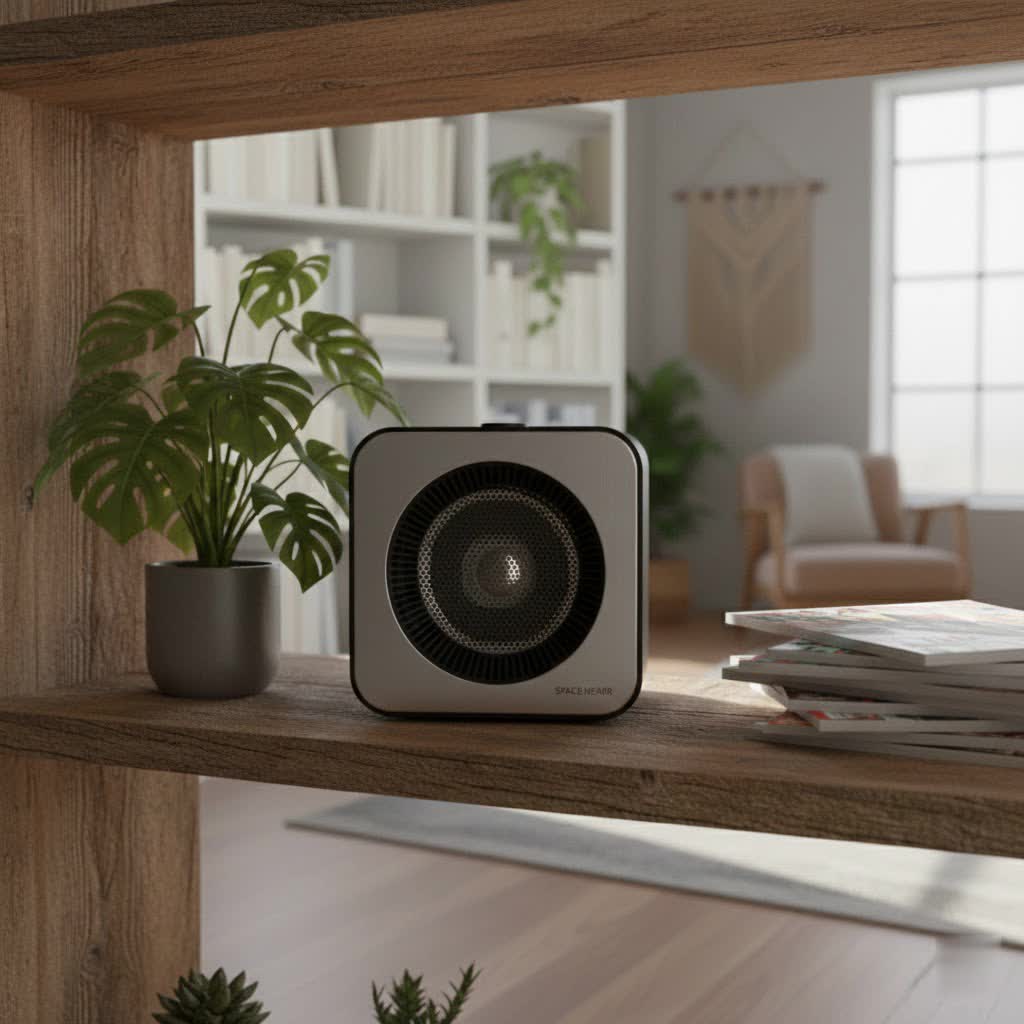
At its core, a propane space heater is a device designed to provide localized heating to a specific area, rather than an entire building. It leverages propane gas as its primary fuel source. Propane, stored as a liquid in portable cylinders or larger tanks, converts into a gas when released. This gas is then ignited, and the combustion process generates the heat that warms your space. Think of it as a powerhouse of warmth, concentrated exactly where you need it most.
How Do Propane Space Heaters Work?
The fundamental principle behind all propane space heaters is straightforward: liquid propane transforms into a gaseous state, mixes with air, and then combusts to produce heat. However, how this heat is distributed varies significantly based on the heater’s design and intended use.
Heat Transfer Methods
- Radiant (Infrared) Heaters: These heaters work much like the sun, emitting infrared radiation that directly warms objects and people in its line of sight, rather than heating the air itself. They often feature ceramic panels that glow when heated. Radiant heaters are excellent for spot heating in smaller areas or for providing immediate warmth. They’re typically very quiet since they don’t rely on fans.
- Convection (Blue Flame) Heaters: Often recognized by their visible blue flame, these heaters warm the air in a room. The heated air then rises and circulates naturally through convection currents, gradually increasing the overall ambient temperature. Convection heaters tend to provide a more consistent and even heat distribution throughout an insulated room but may take longer to warm up the space initially.
- Forced Air Heaters: These powerful units use a fan to blow air over a heated combustion chamber or burner, rapidly pushing a stream of hot air into the space. Forced air propane heaters are ideal for quickly warming large, uninsulated areas like garages, workshops, or construction sites. Due to the fan, they are generally louder and have higher fuel consumption than radiant or convection types.
|
Our Picks for the Best Space Heater in 2026
As an Amazon Associate I earn from qualifying purchases.
|
||
| Num | Product | Action |
|---|---|---|
| 1 | Ceramic Space Heater, Portable Indoor Heater with Remote Control, Three Heating Modes, Overheat and Tip-Over Protection, Suitable for Home, Bedroom, and Office Indoor Use |

|
| 2 | GiveBest Portable Electric Space Heater with Thermostat, 1500W/750W Safe and Quiet Ceramic Heater Fan, Heat Up 200 Square Feet for Office Room Desk Indoor Use, Silver |
|
| 3 | Space Heater, WINHL Small Portable Electric Heaters for Indoor Use with Thermostat and Remote, 70°Oscillation, 12H Timer, 5 Modes, 1500W PTC Ceramic Fast Safety Heat for Office Bedroom Home |
|
| 4 | Dreo Space Heater, Portable Electric Heaters for Indoor Use with Thermostat and Remote, 2024 Upgraded, Digital Display, 12H Timer, 5 Mode, 1500W PTC Ceramic Fast Safety Heat for Office Bedroom Home |
|
| 5 | Upgrade CEC163TW in Wall Heater for Cadet Wall Heater, With Built-In Digital Thermostat, High - Capacity Heater for Fast - Heating Space, Suitable for Bedroom, Bathroom, Office, 240/208/120 Volt |
|
| 6 | VEVOR Radiant Heater, 125000 BTU Portable Space Heater with Handle, 10 Hour Heating, Adjustable Temperature, Indoor & Outdoor Heaters for Jobsite Garage Warehouse Workshop Construction |
|
| 7 | Dreo Space Heater, 1500W Electric Heaters for Indoor Use with Thermostat, 70° Oscillation, 8 Safety Protections, 5 Modes, Remote, 12H Timer, Quiet Portable Heater for Office, Bedroom, Large Room |
|
| 8 | Lasko 1500W Ceramic Tower Space Heater with Remote, Thermostat, Timer & Widespread Oscillation, Portable Electric Heater for Indoor Use, Bedroom & Living Room, 751320 |
|
| 9 | DREO Space Heater, 1500W Portable Electric Heaters for Indoor Use, PTC Ceramic Heater for Office with Remote, Thermostat, 70°Oscillation, 12H Timer, 5 Modes, Quiet Safe Room Heater for Bedroom |
|
| 10 | Amazon Basics Ceramic Space Heater, Portable Indoor Heating Solution, With Overheat and Tip-Over Protection, Thermostat, Non-Oscillating, 1500W, 7.52"D x 6.34"W x 9.45"H, Silver |
|
Types of Propane Space Heaters for Every Need
The world of propane space heaters offers a variety of options, each tailored to specific heating needs and environments. Understanding the different types is crucial for making an informed choice.
Venting Options
The most critical distinction for propane space heaters often comes down to how they handle combustion byproducts.
- Vent-Free (Unvented) Propane Heaters: These highly efficient units (often boasting 99% or more efficiency) do not require external venting. They use indoor air for combustion and release the byproducts, including a small amount of water vapor and carbon dioxide, directly into the room. For safety, almost all vent-free models are equipped with an Oxygen Depletion Sensor (ODS) that automatically shuts off the heater if oxygen levels drop too low. However, due to the release of combustion fumes, proper ventilation is absolutely critical, and their use may be restricted or prohibited in certain areas or rooms (like bedrooms) by local regulations.
- Direct-Vent Propane Heaters: Designed for permanent installation, these heaters draw air from outside for combustion and vent all exhaust gases directly back outdoors through a small pipe installed through an exterior wall. This makes them a much safer option for continuous indoor use, as no combustion byproducts are released into your living space. They offer an economical alternative to traditional furnaces for specific rooms or additions.
Configuration & Portability
Propane heaters also come in various physical forms to suit different applications.
- Portable Propane Heaters: These are perhaps the most common type for flexible use, connecting to small, disposable 1-pound propane cylinders or larger 20-pound tanks via an optional hose. They are favored for camping, fishing shanties, workshops, and as emergency backup heat. Popular models like the “Buddy” heater exemplify this category, combining portability with safety features.
- Wall-Mounted Propane Heaters: These units are permanently affixed to a wall and are often either vent-free or direct-vent. They provide a space-saving, consistent heat source for rooms that might not be reached by a central HVAC system, such as a garage or an enclosed porch.
- Tank-Top Propane Heaters: Designed to sit directly on top of a larger propane tank, these heaters are typically used outdoors in well-ventilated areas, such as patios or job sites, for quick, directional heat.
- Construction Heaters: These heavy-duty, often forced-air, propane space heaters are built for rugged environments. They provide powerful, rapid heating for large, uninsulated areas on construction sites, ensuring worker comfort in cold climates.
Unpacking the Pros and Cons of Propane Space Heaters
Like any heating solution, propane space heaters come with their own set of advantages and disadvantages. Weighing these can help you decide if they’re the right fit for your heating needs.
Pros
- Energy Efficiency & Cost-Effectiveness: Propane burns hotter than many other fuel sources, meaning propane heaters can warm a space quickly and often require less operating time to achieve a desired temperature. This can translate to lower operating costs, particularly in areas where electricity rates are high.
- Reliable Heat During Power Outages: One of the standout benefits is their independence from electricity. Most models can run solely on propane, providing essential warmth during winter power failures when electric heaters would be useless.
- Clean Burning Fuel: Propane is recognized as a clean-burning fuel, producing fewer greenhouse gas emissions and less carbon dioxide and particulate matter than heating oil or wood. This makes it a more environmentally conscious choice compared to some traditional fossil fuels.
- Portability & Versatility: Many propane space heaters are designed for easy mobility, allowing you to bring heat to various locations—from a chilly garage to a camping tent or a drafty basement.
- Longer Lifespan: With proper maintenance and responsible use, propane heaters can often outlast other types of heaters due to their robust construction and efficient operation.
Cons
- Safety Concerns: While modern propane space heaters incorporate numerous safety features, improper use can lead to risks. Carbon monoxide poisoning, gas leaks, and fire hazards are serious concerns if heaters are not operated correctly, especially unvented models without adequate ventilation.
- Fuel Storage & Availability: Unlike electricity or natural gas, propane requires on-site storage in tanks or cylinders. This means monitoring fuel levels and arranging for refills or exchanges, which can be an inconvenience.
- Initial Installation Costs: While operating costs can be favorable, the upfront cost for a permanently installed direct-vent or wall-mounted system can be higher due to professional installation requirements.
- Bulkiness (for some models/tanks): The propane tanks themselves, especially larger ones, can be bulky and require dedicated storage space, which might be a consideration for smaller homes or cramped areas.
Propane Space Heater Safety: Essential Guidelines
Safety is paramount when operating any heating appliance, and propane space heaters are no exception. Adhering to strict safety guidelines is not just recommended, it’s absolutely crucial for protecting your home and family.
“Always prioritize safety over convenience when using a propane space heater,” advises Clara Jensen, a seasoned home safety expert. “Ensure proper ventilation and never underestimate the importance of carbon monoxide detectors.”
- Always Read the Manufacturer’s Instructions: This is the golden rule. Every heater model has specific operating and safety instructions that must be followed.
- Ventilation is Key: For unvented propane space heaters used indoors, adequate ventilation is non-negotiable. A general guideline is to provide at least one square foot of open window or door space for every 1,000 BTUs of the heater’s output. This allows fresh air in and helps dissipate combustion byproducts.
- Install Carbon Monoxide Detectors: Carbon monoxide (CO) is an odorless, colorless, and highly toxic gas produced by incomplete combustion. Install CO detectors on every floor of your home, especially near sleeping areas, and test them regularly.
- Look for an Oxygen Depletion Sensor (ODS): This vital safety feature, present in most indoor-rated unvented propane heaters, automatically shuts off the unit if oxygen levels in the room fall to unsafe levels.
- Maintain a Safe Clearance from Combustibles: Keep your propane space heater at least three feet (about one meter) away from anything that can burn. This includes curtains, furniture, bedding, paper, clothing, and rugs. Establish a “child-free zone” around the heater.
- Proper Placement: Always place the heater on a hard, level, non-flammable surface. Never put it on carpet, rugs, or elevated surfaces like furniture or countertops, where it could easily tip over.
- Never Leave Unattended: Turn off your propane space heater whenever you leave the room or go to sleep. They are not designed for continuous, unsupervised operation.
- Indoor vs. Outdoor Models: Never, under any circumstances, use an outdoor-rated propane heater indoors. Outdoor heaters burn propane at a much higher rate and are not designed to safely ventilate indoors, leading to a high risk of carbon monoxide poisoning.
- Professional Installation and Inspection: For direct-vent or wall-mounted propane heaters, professional installation is essential to ensure proper venting and connection. Annual inspections by a qualified technician can help maintain safe and efficient operation.
- Refueling Safety: Always refuel portable propane tanks outdoors, in a well-ventilated area, and only when the heater is cool.
Choosing the Right Propane Space Heater for Your Needs
Selecting the perfect propane space heater involves more than just picking the first one you see. Consider these factors to ensure you get a unit that’s safe, effective, and perfectly suited to your requirements.
- Determine Your Heating Area (BTUs): Heaters are rated by British Thermal Units (BTUs), which indicate their heat output. Match the BTU output to the size of the space you intend to heat. A general rule of thumb is approximately 20 BTUs per square foot for average insulation, though this can vary.
- Intended Use: Will you be using it indoors, outdoors, or both? Is it for occasional supplemental heat, emergency backup, or more consistent use in a specific room? Your use case will dictate the appropriate type (portable, wall-mounted, vented, unvented).
- Venting Requirements: For continuous indoor use, especially in living spaces, a direct-vent propane heater is often the safest and most recommended choice. For intermittent use in well-ventilated areas, an ODS-equipped vent-free model might suffice, but always with extreme caution and proper ventilation.
- Key Safety Features: Prioritize models with essential safety features such as an Oxygen Depletion Sensor (ODS), an automatic tip-over shut-off switch, and overheat protection. Always look for certifications from recognized safety organizations like CSA or UL.
- Heating Method: Decide between radiant heat for direct, localized warmth, or convection/forced air for more ambient and widespread heating.
Maintenance and Troubleshooting for Optimal Performance
To ensure your propane space heater continues to operate safely and efficiently for years to come, a little routine care goes a long way.
- Regular Cleaning: Keep the heater’s external surfaces and, if accessible, its internal components free of dust, debris, and pet hair. Dust accumulation can impede performance and pose a fire hazard.
- Annual Professional Inspection: Have your propane heater, especially permanently installed models, inspected annually by a qualified propane technician. They can check for leaks, proper combustion, and component wear, ensuring everything is in top working order.
- Refueling Safely: Always turn off the heater and allow it to cool completely before attempting to change or refill a propane tank. Perform this task outdoors or in a very well-ventilated area.
- Checking for Leaks: Propane is naturally odorless, but manufacturers add a distinctive rotten-egg smell for leak detection. If you ever detect this odor, immediately turn off the heater, extinguish any open flames, evacuate the area, and call your propane supplier or fire department. Do not operate any electrical switches or phones in the vicinity.
- Addressing Yellow or Orange Flames: A properly functioning propane heater should display a clear blue flame. If you observe yellow or orange flames, it indicates incomplete combustion, which can produce dangerous levels of carbon monoxide. Turn off the heater immediately and contact a professional technician for inspection and adjustment.
Frequently Asked Questions (FAQ)
Q1: Can I use a propane space heater indoors?
A1: Yes, certain propane space heaters are specifically designed and certified for indoor use. These are typically vent-free models equipped with an Oxygen Depletion Sensor (ODS) or direct-vent models that expel combustion byproducts outside. It’s crucial to always check the manufacturer’s instructions and ensure adequate ventilation.
Q2: How much ventilation do I need for an unvented propane heater?
A2: For unvented indoor propane space heaters, it’s generally recommended to provide at least one square foot of open window or door space for every 1,000 BTUs of the heater’s output to allow for fresh air exchange and prevent CO buildup.
Q3: What safety features should I look for in a propane space heater?
A3: Essential safety features include an Oxygen Depletion Sensor (ODS), an automatic tip-over shut-off switch, and overheat protection. Always ensure the heater is certified by recognized safety organizations like CSA or UL.
Q4: What’s the difference between radiant and blue flame propane heaters?
A4: Radiant (infrared) propane space heaters directly heat objects and people, providing targeted warmth. Blue flame (convection) heaters warm the surrounding air, which then circulates to provide more consistent ambient heat throughout a room.
Q5: Are propane heaters more efficient than electric heaters?
A5: In terms of converting fuel to heat, propane can often be more cost-effective to operate than electric heaters, especially in areas with high electricity rates. They also tend to heat spaces more quickly and can provide more BTUs for the energy consumed, making them quite efficient for targeted heating.
Embrace Warmth: Making Smart Choices with Propane Space Heaters
Propane space heaters offer a powerful and flexible solution for a variety of heating needs, from warming a chilly workshop to providing emergency heat during unexpected power outages. By understanding the different types, their operational principles, and—most importantly—adhering to stringent safety guidelines, you can harness the robust warmth of propane responsibly. Choosing the right model, ensuring proper ventilation, and performing regular maintenance are key to a safe and cozy experience. Embrace informed decision-making and let a propane space heater provide the targeted, efficient warmth you need to conquer the cold.
